




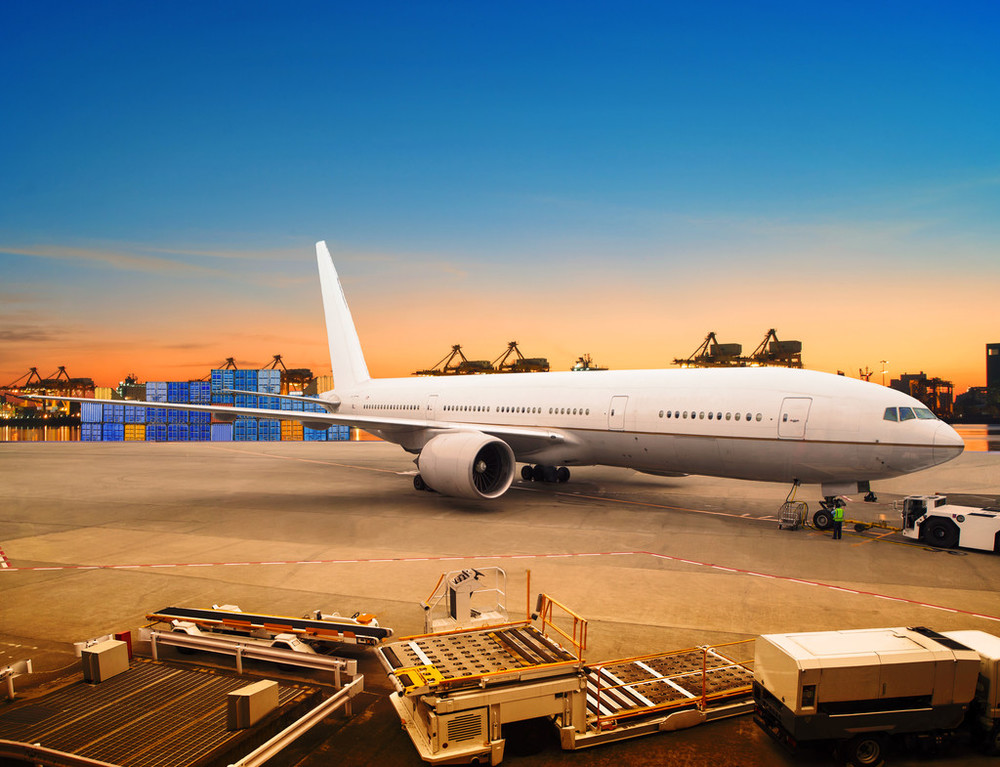
Choosing the right shipping method is a critical business decision. Speed often determines your market success in Europe. Many companies struggle to balance cost and time. European air freight bulk shipments offer a premium solution for urgent needs. However, how do they truly compare to sea freight?
In this guide, we break down the delivery timelines. We will analyze the transit gaps between sky and sea. You will learn which method suits your specific inventory. Let us explore the reality of modern international logistics speeds.
The Speed Gap: Air Freight vs. Sea Freight
The most obvious difference lies in the transit time. Air freight moves at hundreds of miles per hour. Ships move much slower across vast oceans.
Transit Times for Air Freight
Most European air freight bulk shipments arrive within 3 to 7 days. This includes customs clearance and local ground handling. Direct flights between major hubs take less than 24 hours. Consequently, your goods reach customers while the demand is high.
Transit Times for Sea Freight
Sea freight usually takes 30 to 45 days. This depends heavily on the specific port of origin. Ships must navigate through canals and weather systems. Furthermore, port congestion often adds several days to the schedule.
Factors Influencing European Air Freight Bulk Shipments
Speed is not just about the plane’s flight time. Several logistical layers impact your final delivery date.
-
Customs Efficiency: European ports use advanced digital clearing systems.
-
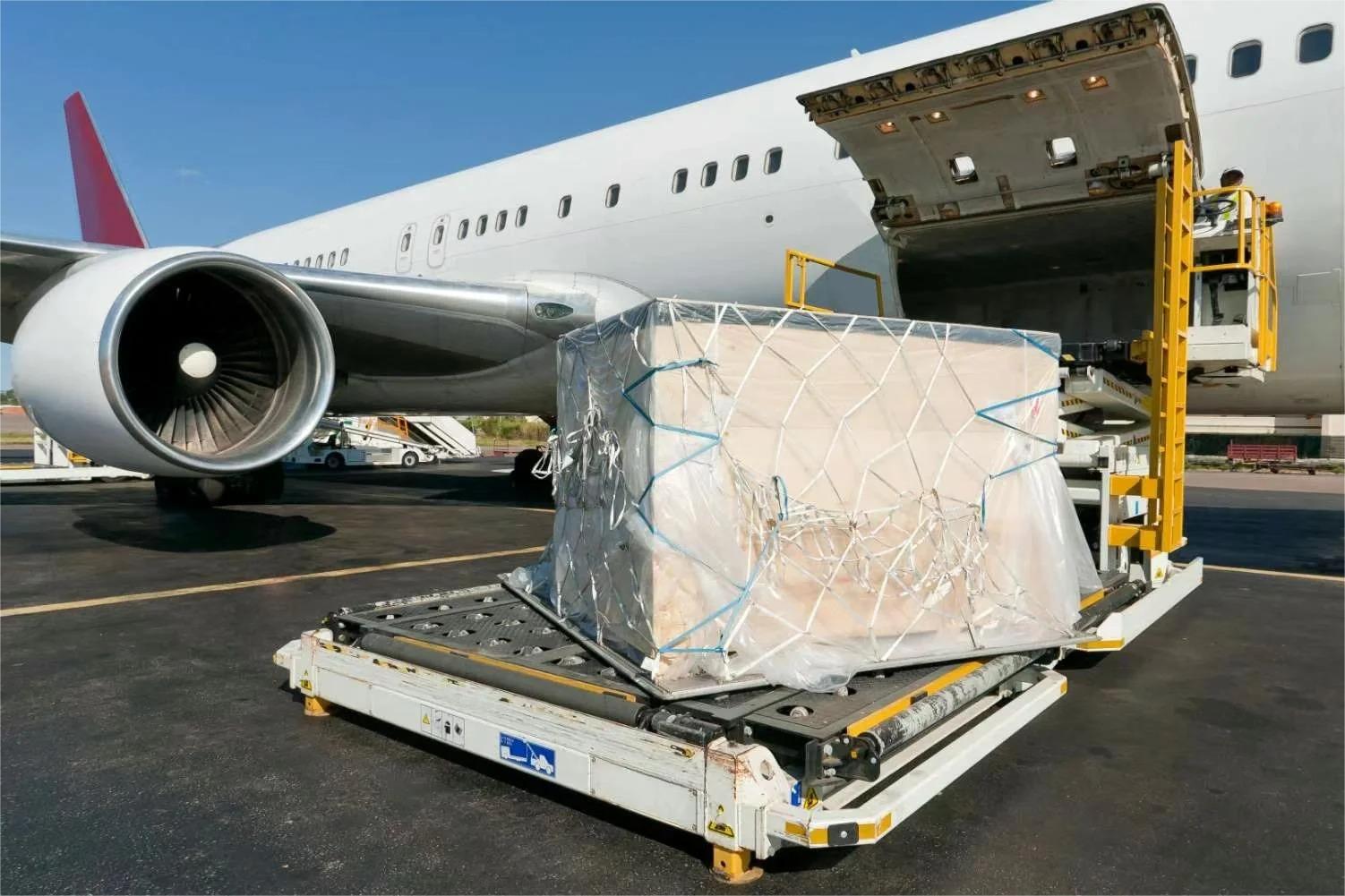
Ground Handling: Fast loading at airports reduces total lead time.
-
Route Directness: Direct flights avoid delays in transit hubs.
-
Cargo Priority: Bulk shipments often receive dedicated space on freighters.
Using European air freight bulk shipments ensures your supply chain stays agile. This agility is vital for high-value or perishable products.
Cost vs. Speed: Making the Strategic Choice
Speed comes at a high financial price. You must weigh the cost against your profit margins.
| Metric | Air Freight | Sea Freight |
| Average Speed | 3 – 7 Days | 30 – 45 Days |
| Relative Cost | High (per kg) | Low (per CBM) |
| Reliability | Very High | Moderate |
| Environmental Impact | Higher Carbon | Lower Carbon |
Most businesses use a “hybrid” approach to save money. They ship bulk stock by sea. Then, they use European air freight bulk shipments for emergency restocks. This strategy keeps shelves full without breaking the bank.
When Should You Choose Air Freight?
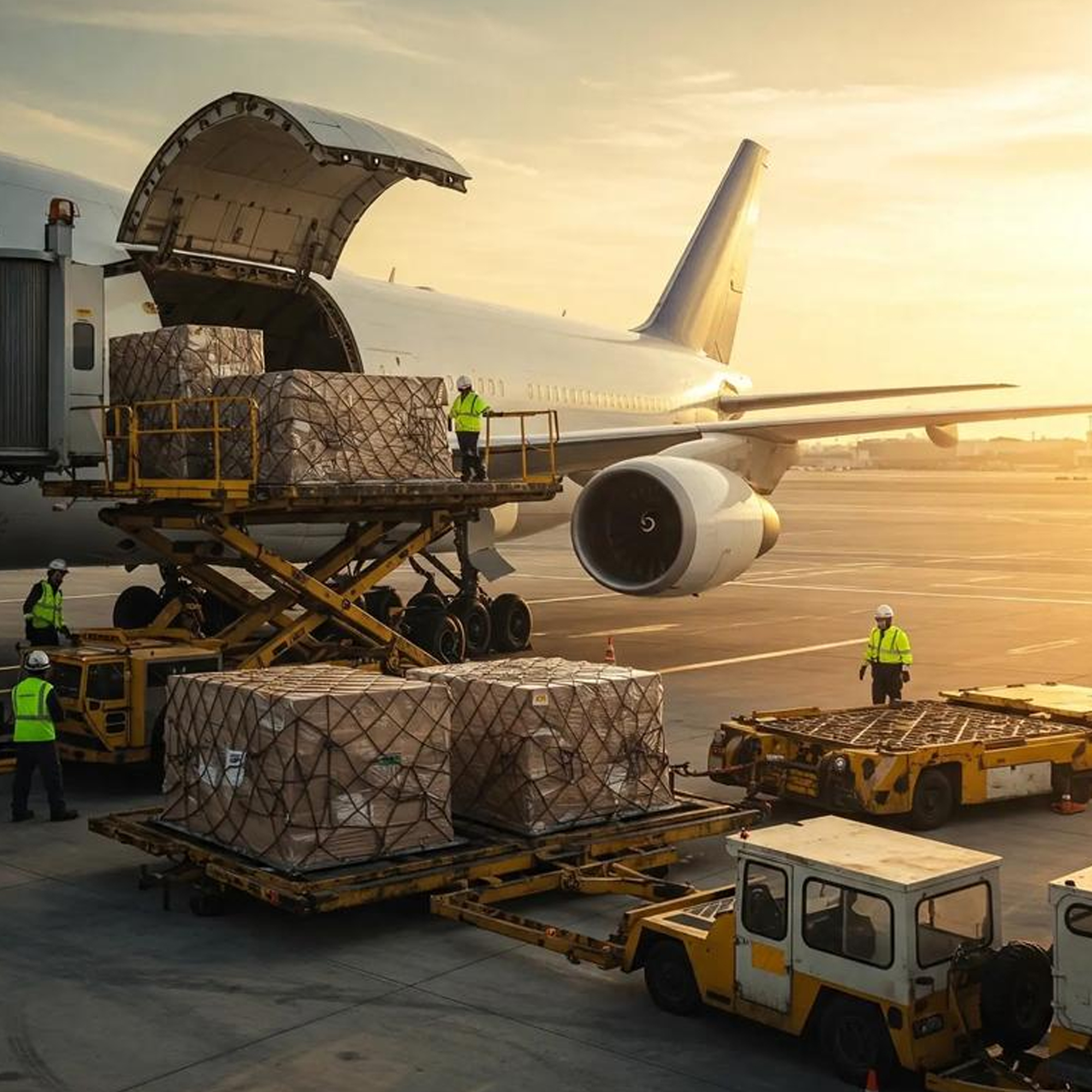
Speed is essential for specific business scenarios. Air freight is the clear winner in these cases.
Perishable Goods
Food, flowers, and medicine require rapid transport. Sea freight is often too slow for these items. European air freight bulk shipments preserve product quality and safety.
High-Value Electronics
Items like smartphones lose value every day. Fast shipping reduces the time capital is tied up. It also minimizes the risk of theft during transit.
Just-in-Time Manufacturing
Factories often need parts immediately to avoid shutdowns. Air freight provides the precision timing they require. It acts as an insurance policy against production delays. Learn how to calculate chargeable weight for air cargo.
Impact of Port Congestion on Sea Freight
Sea freight faces unique challenges in 2026. Major ports often deal with heavy traffic and labor issues. A single delay can ripple through your entire network.
Ships must wait in queues before docking. This can add a week to your timeline. Conversely, airports handle cargo much faster. They process European air freight bulk shipments with higher frequency. This predictability allows for better business planning.
Future Trends in European Logistics Speed
Technology is pushing both sectors to move faster. Automation in warehouses reduces the “dock-to-door” time.
Sustainable Aviation Fuel (SAF)
New fuels make air freight more eco-friendly. This reduces the “carbon guilt” of choosing speed. Many European carriers now offer greener flight options.
Digital Freight Forwarding
Real-time tracking is now a standard feature. You can monitor your European air freight bulk shipments 24/7. This visibility helps you manage customer expectations perfectly.
Speed Wins the Market
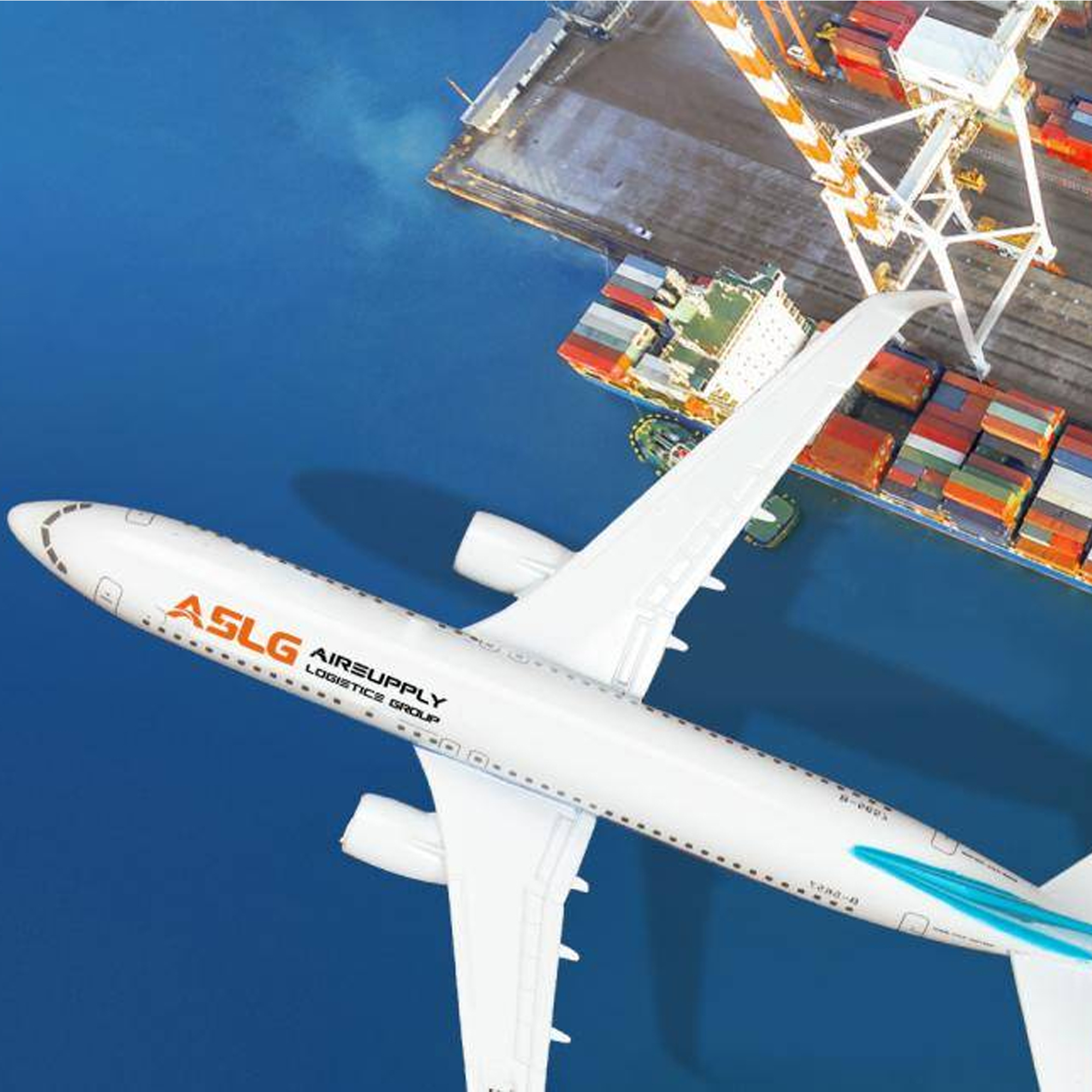
Is air freight faster than sea freight? The answer is a definitive yes. European air freight bulk shipments cut transit times by over 80%. This speed allows businesses to react to trends instantly.
While sea freight is cheaper, air freight offers reliability. Evaluate your product’s value and your customer’s needs. If time is money, the sky is your best path. Choose the method that keeps your business moving forward.


