





Navigating global logistics requires ocean freight forwarding companies to protect client profit margins. Geopolitical conflicts, ongoing Cape of Good Hope diversions, and rising emissions surcharges keep container shipping rates volatile.
Furthermore, unexpected port congestion and emergency bunker surcharges (BAF) create severe budget overruns for importers. Shippers need strategic freight consolidation, lead-free compliance oversight for electronics, and advanced route engineering.
Consequently, partnering with an experienced forwarder shields your supply chain against sudden rate spikes. This guide details technical logistics solutions to control rising ocean transport costs today.
Volatile Spot Rate Spikes and Unexpected Surcharges
Relying purely on ocean spot markets exposes businesses to sudden rate surges. Carriers frequently add Peak Season Surcharges (PSS) and War Risk Premiums during geopolitical disruptions.
Strategic Contract Management and Hybrid Rate Models
Professional ocean freight forwarding companies stabilize tra1nsportation expenses through dual-rate contracting strategies. Forwarders leverage high volume across alliance carriers to lock in favorable terms.
-
Index-Linked Contracts: Align long-term service contracts with recognized freight indexes like Xeneta or Drewry WCI.
-
Fixed Space Agreements: Secure guaranteed TEU allocations to prevent cargo rolling during peak periods.
-
Surcharge Capping: Negotiate strict ceilings on Bunker Adjustment Factors (BAF) and Terminal Handling Charges (THC).
Implementing dynamic contract structures protects your baseline budget while maintaining flexible capacity. Explore customized freight options on our ocean freight product category page today.
Inefficient Container Space Usage and High LCL Fees
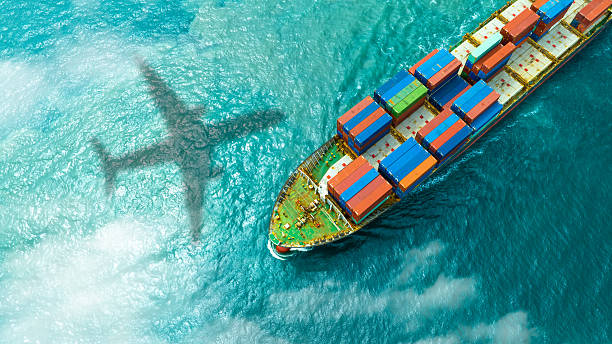
Shipping partially filled containers (FCL) inflates freight costs per unit unnecessarily. Conversely, standard Less-than-Container Load (LCL) shipments incur heavy handling fees at destination terminals.
Advanced Cargo Consolidation and Buyer’s Consolidation
Forwarders optimize volumetric space utilization through custom buyer consolidation programs.
For instance, consolidating multiple origin shipments into single 40ft High Cube containers drops freight costs significantly. Read our container optimization technical guide for deeper spatial calculation strategies.
Extended Transit Times and Inventory Holding Expenses
Rerouting vessels around Africa adds 10 to 14 days to transpacific and Europe routes. Longer transit times tie up working capital and force companies to hold excess safety stock.
Multi-Modal Routing and Sea-Air Integration
Forwarders bypass bottlenecked sea lanes by deploying flexible multimodal transport routes.
-
Sea-Air Solutions: Combine ocean freight to Dubai or Singapore with fast air freight connection to destination.
-
Intermodal Express Rail: Utilize fast IPI rail ramps directly from West Coast ports to inland hubs.
-
Feeder Network Tuning: Direct cargo to secondary ports to skip congested primary container terminals.
Adaptive routing slashes total transit days, reducing inventory holding costs across your international network.
Expensive Demurrage and Detention Penalties
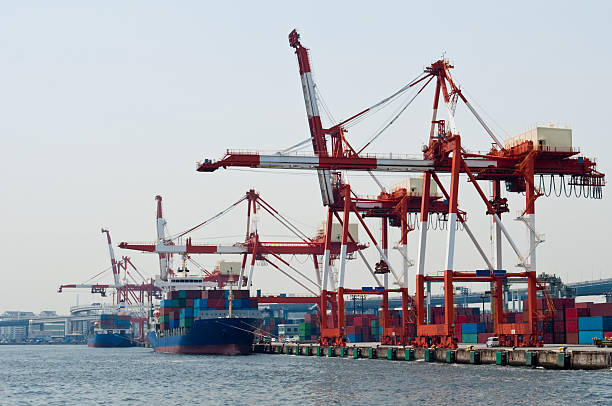
Customs holds, missing paperwork, or port terminal congestion trigger severe daily storage penalties. Demurrage and detention charges quickly surpass the original ocean freight cost.
Automated Digital Documentation and Pre-Clearance
Top-tier freight partners eliminate administrative delays using direct API integrations with customs authorities.
-
Pre-Arrival Entry: Submit electronic customs entries 5 days before vessel docking.
-
Off-Dock Transloading: Move containers directly from vessel terminals to off-site bonded yards.
-
Automated EDI Tracking: Receive instantaneous alerts for container gate-outs and chassis availability.
Preventing terminal delays saves thousands of dollars per container in avoidable storage penalties. View our services on our global logistics product category page now.
Freight Cost Mitigation & Strategy Matrix
Use this technical comparison table to evaluate freight optimization methods during market disruptions.
| Freight Strategy | Standard Spot Shipping | Forwarder-Managed Strategy | Cost Savings & Risk Benefit |
| Pricing Model | Volatile Spot Rates | Dual-Track Hybrid Contracts | Reduces rate volatility by 15-25% |
| Container Utilization | Partial FCL / Standard LCL | Buyer’s Consolidation Hubs | Lowers per-unit freight cost by 20-30% |
| Routing Flexibility | Single Direct Carrier | Multi-Modal & Intermodal Options | Slashes delay risks during canal blockages |
| Customs Clearance | Manual Post-Arrival Entry | Automated Pre-Arrival Entry | Eliminates costly demurrage & detention fees |
| Carbon & Emissions | Untracked BAF Surcharges | Green Route Fuel Management | Minimizes IMO/EU ETS carbon tax penalties |
| Cargo Tracking | Manual Carrier Web Checks | Real-Time API / EDI Visibility | Provides end-to-end landed cost transparency |
EU ETS Carbon Taxes and Fuel Surcharges
Stricter environmental regulations enforce mandatory maritime carbon emissions pricing. Unoptimized vessel routes trigger heavy carbon tax surcharges under EU ETS rules.
Green Logistics and Route Fuel Optimization
Forwarders help shippers minimize environmental compliance charges through sustainable logistics management.
-
Biofuel Allocation: Utilize mass-balance sustainable marine fuels (SMF) to reduce net carbon output.
-
Modern Vessel Selection: Book cargo on eco-efficient vessels with lower FuelEU Maritime penalty exposure.
-
Carbon Auditing: Track exact emissions data per container to optimize corporate sustainability metrics.
Proactive environmental auditing prevents surprise carbon tax charges while supporting green supply chains. Read our green logistics technical guide to optimize your shipping routes.
Action Plan to Control Ocean Shipping Costs
Take these immediate actions to protect your supply chain from rising freight expenses.
-
Audit Container Fill Rates: Implement buyer consolidation to ensure maximum cubic meter utilization.
-
Review Carrier Contracts: Transition from pure spot pricing to index-linked long-term contracts.
-
Automate Customs Filings: Secure pre-arrival customs clearances to eliminate terminal demurrage risks.
-
Diversify Shipping Routes: Deploy sea-air or intermodal express rail options on disrupted lanes.
Understanding how ocean freight forwarding companies optimize logistics unlocks lasting cost control. Contact our freight specialists today to build a resilient, cost-effective shipping strategy!


