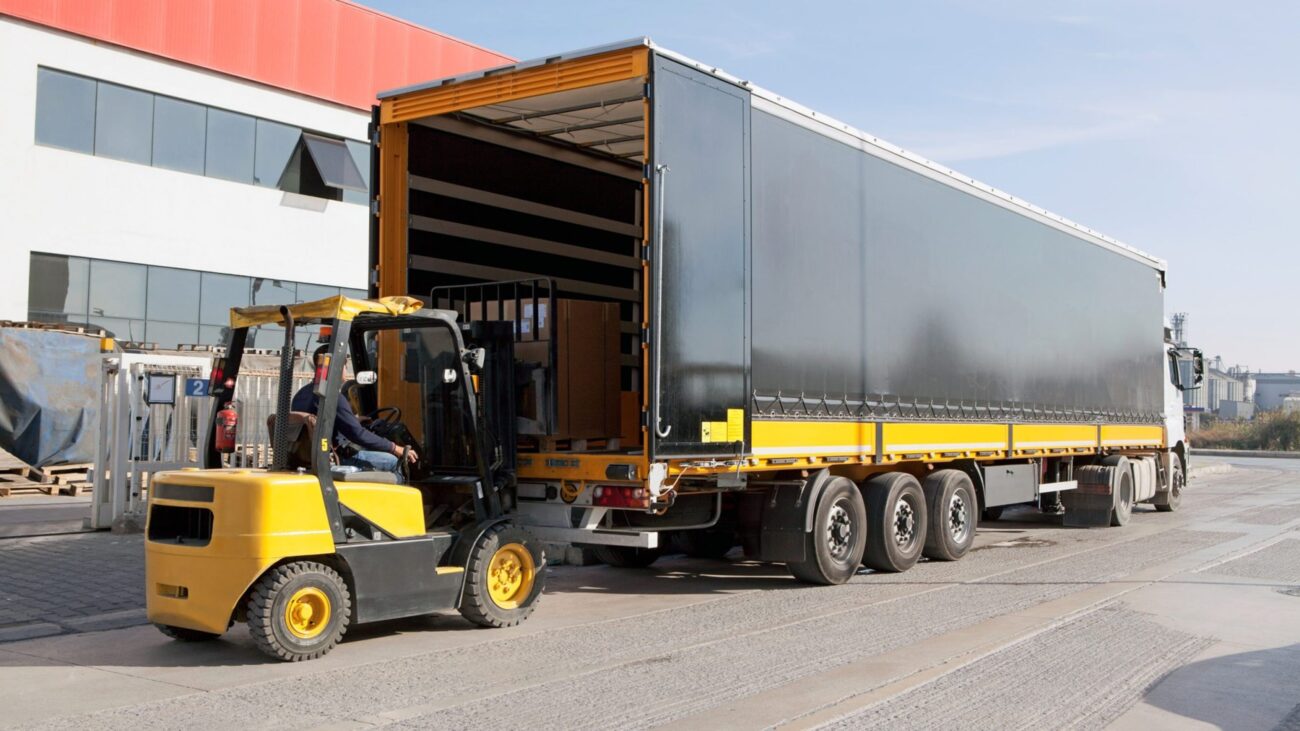



Truck Freight: A Vital Logistics Solution for Efficient and Reliable Transport
Definition of Truck Freight
Truck freight refers to the transportation of goods by road using trucks, typically for regional, national, or international deliveries. It is a versatile and essential mode of transport, ideal for a wide variety of goods, from small packages to large bulk shipments. Truck freight provides the flexibility to move goods door-to-door, making it a critical component of domestic and international logistics.
The Importance of Truck Freight in Global Trade
Truck freight plays a central role in today’s global supply chain, offering flexibility, cost-effectiveness, and a high level of reliability for many types of shipments. It is particularly valuable for land-based transportation over medium to long distances, ensuring goods are delivered efficiently within a network that spans countries and continents. Truck freight enables businesses to quickly move products overland, providing essential transportation services for industries ranging from retail to manufacturing.
Why Choose to Ship by Truck from China?
Advantages of Truck Freight from China
Cost-effectiveness
Truck freight from China offers a competitive and cost-effective solution for moving goods within China and across nearby regions. It is often less expensive than air freight and more flexible than sea freight, particularly for short to medium distances. Truck freight can be an ideal choice for businesses looking for affordable transportation of bulky or low- to medium-value goods. For example, moving larger shipments within China or to neighboring countries can often be more cost-effective by truck.
Capacity for Large Shipments
Trucks are highly capable of handling large shipments, including bulk goods and heavy cargo, making them a preferred choice for many industries, including construction, automotive, and agriculture. Trucks can transport large quantities of goods on a single trip, with vehicles ranging from standard trucks to large freight containers that are ideal for sizable shipments. This makes truck freight particularly suitable for transporting both raw materials and finished goods overland.
Accessibility of Major Road Networks
China has an extensive and modern road network, including highways, expressways, and major national routes that connect cities, ports, and industrial centers. This vast network of well-maintained roads ensures that goods can be transported quickly and efficiently, reducing transit time and minimizing delays. China’s road infrastructure makes it a central hub for truck freight, ensuring efficient access to all regions within the country and neighboring countries.
China’s Role in Global Truck Freight Trade
Major Export Items and Truck Freight Demand
China’s role in global trade extends to overland logistics, where truck freight is often used for domestic and regional transportation. China exports a wide range of products, including electronics, machinery, textiles, and furniture. As the demand for fast, reliable, and cost-effective transportation grows, the role of truck freight in supporting China’s export activities becomes increasingly important. With a large volume of goods moving across China and neighboring countries, truck freight is crucial for keeping goods flowing in and out of the country.
Major Roads and Their Strategic Importance in Truck Freight
China’s key transport corridors, such as the G4 Beijing–Hong Kong–Macau Expressway, G30 Lianyungang–Khorgas Expressway, and other national highways, are integral to the efficient movement of goods by truck. These highways facilitate the movement of cargo within China and to key neighboring countries such as Russia, India, and Southeast Asia. The strategic location of these transport routes plays a critical role in the fast and reliable delivery of goods, further enhancing the efficiency of truck freight services in global logistics.
By utilizing truck freight, businesses benefit from flexible, cost-effective, and efficient solutions for domestic and regional transportation. Whether moving bulk goods or smaller, time-sensitive shipments, truck freight remains a reliable backbone of the global logistics network.
Truck Freight Overview
Truck freight is a common logistics solution used for short, medium, and long-distance transportation. It efficiently handles a wide variety of goods, making it an ideal option for domestic and cross-border transport. Truck freight offers a fast, flexible, and cost-effective solution, playing a crucial role in modern global supply chains.
Importance of Truck Freight
Truck freight is an indispensable part of the logistics chain today. It provides flexible transportation options, enabling goods to be moved efficiently between cities, industrial zones, and trade centers. As e-commerce and global trade continue to grow, truck freight remains vital for timely deliveries and cargo safety.
Advantages of Truck Freight
Cost-Effectiveness
Compared to other transportation modes, truck freight is more economical for smaller or less urgent shipments. For bulkier goods that are not suitable for air transport, truck freight offers a cost-effective option that balances speed and affordability.
Flexibility and Accessibility
One of the biggest advantages of truck freight is its flexibility. Trucks can transport goods directly from one location to another without the need for transfers. Additionally, trucks can reach remote areas or regions with limited transport options, ensuring fast deliveries to the final destination.
Capacity
Truck freight can handle a wide range of cargo sizes, from small packages to large, heavy machinery. Whether for domestic delivery or international transport, trucks can accommodate a variety of shipment needs, ensuring efficient movement of goods.
Timeliness
Truck freight offers flexible routes and quick scheduling, making it a highly efficient transport method, particularly for long-distance and cross-border deliveries. While slower than air freight, truck transportation still provides fast transit times for regional or national shipments.
Truck Freight Process
Step-by-Step Guide
Booking a Shipment
Booking a shipment is the first step in the truck freight process. Businesses need to choose a reliable freight forwarder, comparing quotes and services. Provide detailed information about the shipment, including the type of goods, volume, weight, and destination. Truck freight costs are typically based on cargo weight, volume, and distance traveled.
Packaging and Labeling Requirements
Proper packaging and labeling are crucial for safety and compliance. Goods should be packed securely to prevent damage during transport. Each package must be clearly labeled with the destination address, handling instructions, and any hazardous material warnings. Incorrect packaging or labeling can lead to delays or rejection at customs.
Customs Clearance Procedures
For cross-border shipments, customs clearance is an essential part of the process. This involves preparing and submitting necessary documents, such as the commercial invoice, packing list, and waybill. Accurate documentation ensures smooth processing and prevents customs delays, which can otherwise result in additional costs.
Loading and Transportation
Once customs clearance is completed, the goods are loaded onto trucks. Loading requires careful handling to avoid damage and ensure proper weight distribution. Efficient loading practices are essential to prevent delays. The truck then transports the goods to the destination, typically following a tight schedule for timely delivery.
Delivery and Unloading at Destination
Upon arrival at the destination, goods are unloaded and undergo final customs clearance if applicable. The goods are then delivered to the final destination, either via truck or rail. Efficient unloading and final delivery are critical for ensuring that time-sensitive shipments reach their destination without delay.
Types of Truck Freight Services
FCL (Full Cargo Load)
FCL refers to the shipment of goods that fill an entire truck. This service is suitable for businesses with large or high-value shipments. Benefits include a dedicated truck, faster handling, and cost savings per unit. For example, a pharmaceutical company may prefer FCL to transport medical equipment, ensuring safety and speed.
LCL (Less than Cargo Load)
LCL is ideal for smaller shipments that don’t require a full truck. Multiple shippers share space on the same truck, making it a more cost-effective option for smaller shipments. Benefits include lower upfront costs and flexibility, making it ideal for small businesses or occasional shipments. For instance, a fashion retailer shipping smaller quantities of clothing could benefit from LCL.
Charter Services
Charter services involve booking an entire truck for a specific shipment, often used for urgent or specialized cargo. This service is ideal for time-sensitive deliveries, such as emergency medical supplies or critical parts for manufacturing. The main advantage is guaranteed capacity and direct routes, ensuring swift delivery.
Heavy Cargo/Specialized Freight
Heavy cargo and specialized freight services are designed for large or heavy equipment, such as machinery or industrial goods. Trucks equipped for heavy transport ensure that goods are safely handled and delivered. This service is ideal for industries requiring the transport of large-scale or fragile equipment.
Temperature-Controlled and Hazardous Cargo
Temperature-controlled trucks are used to transport sensitive goods, such as food, pharmaceuticals, or chemicals, that require specific temperature conditions. Similarly, hazardous cargo requires specialized handling, packaging, and transport. These trucks are equipped with safety features and temperature control to ensure the integrity of the goods during transit.
Truck Freight Service Overview
| Service Type | Benefits | Scenarios for Use |
|---|---|---|
| FCL (Full Cargo Load) | Lower cost per unit, dedicated space, faster handling | Large volumes, e.g., high-value pharmaceutical shipments |
| LCL (Less than Cargo Load) | Lower upfront costs, flexibility | Smaller shipments, e.g., clothing by a small business |
| Charter Services | Guaranteed capacity, direct routes, flexibility | Urgent or specialized cargo, e.g., time-sensitive medical equipment |
| Heavy Cargo/Specialized Freight | Safe handling, cost-effective for large equipment | Large machinery or industrial equipment |
| Temperature-Controlled and Hazardous Cargo | Temperature control, safety, precise handling | Sensitive goods, e.g., food exports, hazardous chemicals, oversized machinery |

Breakdown of Costs
Shipping Rates
Shipping rates are a major component of truck freight costs. These rates depend on factors such as the weight, volume, and distance traveled. For example, shipping a 10-ton load from Shanghai to Beijing might cost anywhere between $500 to $1,000 depending on the specific cargo type, the truck used, and other logistics factors.
Customs Duties and Taxes
When transporting goods across borders, customs duties and taxes are imposed by the destination country. These costs can vary significantly based on the type of goods, their value, and the customs regulations of the destination country. For example, importing electronics into the US could result in duties of 5-10% of the shipment’s value.
Insurance
Insurance is an important aspect of truck freight, providing coverage in case of damage or loss during transit. Typically, insurance costs range from 0.3% to 0.5% of the cargo’s value. For high-value shipments, such as machinery or electronics, investing in insurance is highly recommended to protect against potential losses during transportation.
Handling and Logistics Fees
These fees cover the costs of loading, unloading, and handling goods at the origin and destination points. These charges typically range from $100 to $500 per shipment, depending on the complexity and size of the shipment. They include costs such as loading fees, tolls, and paperwork processing.
Factors Influencing Costs
Weight and Volume
The weight and volume of the shipment significantly impact the cost of truck freight. Heavier and larger shipments generally incur higher charges due to the space occupied in the truck and the additional fuel costs. For instance, a shipment of furniture would typically cost more than a shipment of clothing due to its larger size and heavier weight.
Distance and Route
The distance between the origin and destination plays a key role in determining freight costs. Longer distances result in higher fuel costs and require more time, increasing overall transportation costs. Additionally, the route taken (e.g., highway tolls, terrain, and road conditions) can influence the cost. For example, shipments to remote locations might incur higher charges due to difficult access.
Destination Fees
Different regions and cities impose varying fees on trucks for services like tolls, permits, and city access. Delivery in high-traffic or urban areas may involve additional costs like congestion charges, loading/unloading fees, and city-specific logistics fees. Trucking into metropolitan areas with heavy traffic, such as New York or Los Angeles, typically results in higher delivery costs due to these added fees.
Fuel Costs
Fuel is one of the largest operating expenses for truck freight. Fluctuating fuel prices can have a significant impact on the cost of transportation. During periods of high fuel prices, trucking costs can increase substantially, which in turn affects freight rates. Freight companies often adjust their rates accordingly to account for changing fuel costs.
Seasonal Variations
Truck freight rates can be subject to seasonal variations. For example, during the peak shipping seasons (e.g., the holidays or spring and autumn sales), truck freight rates may rise due to increased demand for transportation capacity. This period often sees higher demand for moving goods, particularly in industries like retail, electronics, and consumer goods.
Cost-Saving Tips for Truck Freight
Consolidating Shipments
Combining multiple smaller shipments into one larger shipment can help reduce costs significantly. By consolidating shipments, businesses can benefit from reduced shipping rates and lower handling fees. For example, rather than sending separate trucks for each small order, grouping several shipments into one can reduce the overall cost.
Choosing the Right Incoterm
Choosing the appropriate Incoterm can make a big difference in your trucking costs. Incoterms like FOB (Free On Board) or EXW (Ex Works) define the responsibilities for shipping, insurance, and customs duties between the buyer and seller. By selecting the right terms, you can avoid unnecessary charges or overpaying for services that should be covered by your supplier.
Negotiating Rates with Freight Forwarders
Negotiating rates with multiple truck freight providers is essential to secure the best deal. Trucking companies may offer discounts for long-term contracts or high-volume shippers. It is also beneficial to compare rates between several providers to find the most cost-effective solution. Building a long-term relationship with a reliable provider can help secure better rates in the future.
Optimizing Load Sizes and Vehicle Types
Choosing the right vehicle for the shipment and optimizing load sizes can help reduce overall costs. For instance, using a larger truck for bulky or lightweight goods can ensure the truck’s capacity is fully utilized, reducing per-unit costs. Conversely, shipping heavy goods on smaller trucks can help save on fuel costs, depending on the destination and size of the cargo.
Truck Freight Cost Overview
| Cost Component | Details |
|---|---|
| Shipping Rates | $500 – $1,000 for a 10-ton load from Shanghai to Beijing |
| Customs Duties and Taxes | 5-10% of shipment value for electronics |
| Insurance | 0.3% – 0.5% of cargo value |
| Handling and Logistics Fees | $100 – $500 per shipment (depending on size and complexity) |
| Factors Influencing Costs | Weight, volume, distance, fuel costs, seasonal variations |
| Cost-Saving Tips | Consolidating shipments, negotiating rates, optimizing load sizes |
Truck Freight Cost Overview
Truck freight is an essential component of global logistics, especially for short-distance transportation, offering flexible and cost-effective shipping solutions. Understanding the cost structure of truck freight, the factors that influence it, and how to optimize shipping expenses is crucial for businesses to improve supply chain efficiency and reduce transportation costs.
1. Components of Truck Freight Costs
Transportation Fees
Transportation fees are the most direct component of truck freight costs, typically determined by the weight, volume, and distance of the shipment. The cost will also depend on the type of cargo and specific routes. Truck freight charges are usually calculated in two ways:
Weight-Based Fees: The cost is based on the actual weight of the cargo.
Volume-Based Fees: For large, lightweight shipments, volume weight (also known as dimensional weight) may apply. This is calculated based on the space the cargo occupies in the truck, rather than its actual weight.
For example, the transportation cost of shipping a 100 kg shipment from China to Europe might range from $1,500 to $3,000 depending on the size, type of cargo, and current market conditions. Special cargo such as refrigerated goods, hazardous materials, or oversized loads will incur additional charges due to special handling requirements.
Customs Duties and Taxes
Customs duties and taxes are imposed by the destination country’s customs authorities and vary depending on the type of goods, their declared value, and trade agreements between countries. Common fees include:
Import Duties: These are assessed based on the goods’ type and value. For example, electronics imported into the U.S. may incur a duty of 5% to 10%.
Value-Added Tax (VAT) and Excise Tax: Depending on the destination country, imported goods may be subject to VAT or excise taxes, which can vary by product type.
Destination Fees: Some countries impose additional fees for entry or clearance at the destination port.
Insurance Costs
Cargo insurance is crucial to protect goods against loss or damage during transit. The cost of insurance typically ranges from 0.3% to 0.5% of the cargo’s value. For high-value or fragile items (e.g., electronics, pharmaceuticals), purchasing insurance is highly recommended to mitigate risks and ensure financial protection during transportation.
Handling and Logistics Fees
Handling fees cover the costs of loading and unloading the goods during the shipping process. These charges can range from $100 to $300 per shipment, depending on the cargo’s weight and complexity. This category includes:
Cargo Handling Fees: The cost of physically moving goods onto and off the truck.
Warehouse or Storage Fees: If goods need to be stored temporarily at a warehouse before being shipped or during transit.
Special Handling Fees: For goods that require special care (e.g., fragile items, temperature-sensitive goods, hazardous materials).
Fuel Surcharges
Fuel surcharges are added to the freight cost in response to fluctuations in fuel prices. As fuel prices rise, freight carriers may increase their fuel surcharge to compensate for the higher fuel costs. Fuel surcharges are typically calculated as a percentage of the transportation costs, usually ranging from 5% to 10%.
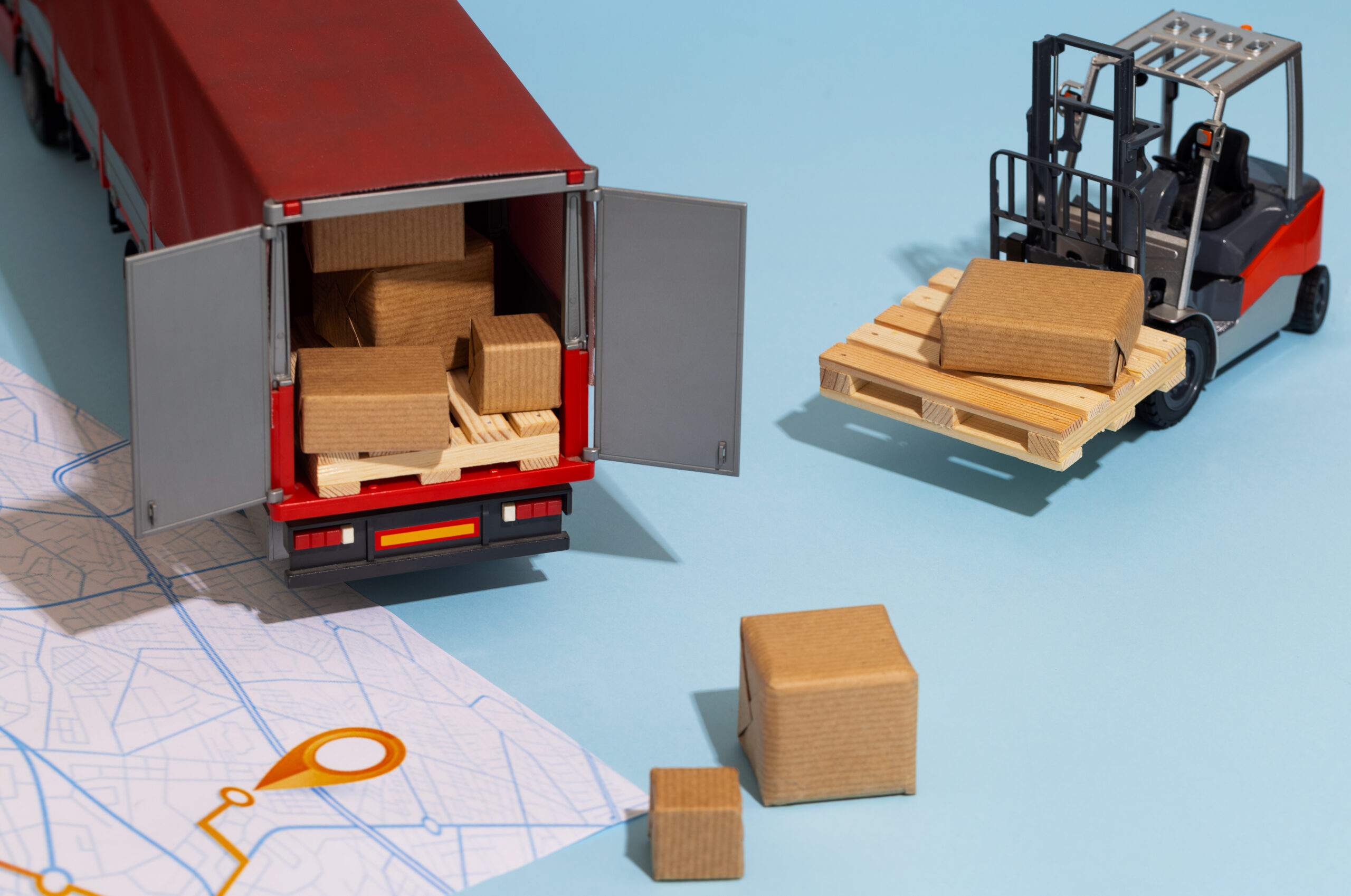
Factors Affecting Truck Freight Costs
1. Weight and Volume of the Cargo
The weight and volume of your shipment play a significant role in determining freight costs. Larger and heavier shipments tend to incur higher fees due to the space and weight they occupy on the truck. For example, shipping heavy machinery will typically cost more than shipping smaller, lighter goods like apparel due to the space it occupies and the complexity of handling.
2. Shipping Distance
Shipping distance is a key factor in determining freight costs. Long-distance transportation not only increases fuel costs but also adds expenses like driver wages, vehicle depreciation, and road tolls. International shipments, especially those crossing borders, can also involve additional fees such as customs clearance and import duties.
3. Destination Fees
Different destinations will incur varying fees, depending on the local infrastructure, port, or regional costs. Major cities or high-traffic ports typically have higher handling and clearance fees compared to smaller towns or less busy areas. For example, shipping to a major port in Los Angeles might be more expensive than shipping to a smaller port in a less congested region.
4. Seasonal Variations
Truck freight rates are often subject to seasonal fluctuations. During peak shipping seasons (such as the holidays or specific trade events), demand for truck capacity increases, driving up transportation rates. Similarly, adverse weather conditions like snowstorms or heavy rain can disrupt transport schedules, leading to delays and increased costs.
5. Specialized Cargo
Certain types of cargo, such as perishables, hazardous materials, or oversized items, often require specialized equipment or handling, which increases transportation costs. For example, refrigerated trucks (referred to as “reefers”) are needed to transport perishable goods, which adds to the overall cost due to the extra energy requirements and specialized handling.
How to Save on Truck Freight Costs
1. Consolidate Shipments
Combining multiple smaller shipments into one larger shipment can reduce costs. By consolidating goods from different suppliers into a single shipment, you can maximize the truck’s cargo capacity, which reduces both the shipping cost and the per-unit cost of transportation.
2. Plan Shipping Routes in Advance
Planning transportation routes ahead of time and avoiding busy periods can help reduce costs. For example, avoiding peak season demand can result in lower rates and faster processing. By using advanced route-planning tools and considering factors such as traffic conditions, you can choose the most efficient routes that minimize both cost and transit time.
3. Choose the Right Transportation Mode
Selecting the right shipping mode can also lower costs. For bulk shipments, full truckload (FTL) shipping is usually cheaper than less-than-truckload (LTL) shipments, as FTL maximizes the use of truck capacity. For smaller shipments, LTL shipping may be a more cost-effective option.
4. Negotiate Long-Term Contracts with Freight Providers
Negotiating long-term agreements with reliable freight carriers can secure better rates. Shipping companies often offer discounts or preferential rates to long-term clients, particularly those with regular and high-volume shipments. A solid partnership with a freight forwarder can help you reduce overall shipping costs by securing discounted rates for frequent shipments.
5. Optimize Packaging
Proper packaging ensures that your goods are protected and that space within the truck is efficiently utilized. Reducing the volume of your cargo by using compact and secure packaging methods can help minimize costs. For example, using smaller packaging or palletizing goods to ensure they are securely loaded can save space and reduce transportation costs.
Truck Freight Cost Overview
| Cost Component | Details |
|---|---|
| Transportation Fees | Based on weight and volume, typically ranging from $1,500 to $3,000 for a 100kg shipment from China to the U.S. |
| Customs Duties and Taxes | 5%-10% of shipment value (e.g., electronics to the U.S.) |
| Insurance Costs | 0.3% – 0.5% of cargo value |
| Handling and Logistics Fees | $100 – $300 per shipment (depending on weight and complexity) |
| Fuel Surcharges | Typically 5%-10% of transportation costs |
| Influencing Factors | Weight, volume, distance, destination fees, seasonal variations |
| Cost-Saving Tips | Consolidate shipments, plan routes in advance, negotiate rates, optimize packaging |
This comprehensive overview of truck freight costs helps businesses understand how to manage and reduce shipping expenses while ensuring timely and efficient delivery of goods. By considering the factors mentioned and applying strategic cost-saving methods, companies can optimize their truck freight operations and achieve significant savings.