



O frete aéreo é uma solução logística vital que garante a rápida, seguro, e transporte eficiente de mercadorias nos mercados globais, atendendo às demandas de indústrias de ritmo acelerado e entregas urgentes.
Definição de frete aéreo
Frete aéreo refere-se ao transporte de mercadorias por aeronave, normalmente usado para rápido, entregas de longa distância. É o meio de transporte mais rápido, ideal para questões sensíveis ao tempo, alto valor, ou produtos perecíveis. O frete aéreo permite que as empresas transportem produtos entre países e continentes com alta velocidade e confiabilidade, tornando-o um componente essencial do comércio e da logística globais.
A importância do frete aéreo no comércio global
O frete aéreo é crucial na atual cadeia de abastecimento global, oferecendo velocidade e confiabilidade incomparáveis para remessas urgentes. Ele permite que as empresas movam mercadorias rapidamente por grandes distâncias, garantindo entregas pontuais e reduzindo tempos de trânsito. A Huazong Logistics aproveita suas fortes parcerias com companhias aéreas líderes e uma rede global para fornecer rápido, seguro, e econômico serviços de frete aéreo. Nosso 98-hora EUA. serviço expresso de frete aéreo garante entrega no prazo, com compensação por quaisquer atrasos, tornando o frete aéreo uma solução essencial para empresas que precisam de agilidade, confiável, e transporte seguro.
Por que escolher enviar por via aérea da China?
Vantagens do frete aéreo da China
Custo-benefício
O frete aéreo da China é cada vez mais econômico para empresas que buscam entrega rápida a preços competitivos. Embora normalmente mais caro que o frete marítimo, frete aéreo oferece tempos de trânsito mais rápidos, o que pode ser ideal para produtos urgentes. Por exemplo, enviar quantidades menores ou itens de alto valor por via aérea muitas vezes pode fornecer um valor melhor em comparação com envios mais lentos, métodos mais tradicionais.
Capacidade para grandes remessas
O frete aéreo pode lidar com grandes remessas, embora normalmente em menor escala em comparação com o frete marítimo. Com o uso de grande avião de carga, é possível transportar mercadorias a granel rapidamente, tornando-o ideal para indústrias como eletrônica e produtos farmacêuticos, onde a urgência do produto é fundamental. Embora o frete aéreo possa não ser tão econômico para remessas extremamente grandes, oferece vantagens significativas em velocidade.
Acessibilidade dos principais aeroportos
Principais aeroportos da China, como Xangai Pudong, Capital de Pequim, e Cantão Baiyun, são alguns dos mais acessíveis do mundo. Esses aeroportos estão equipados com instalações e tecnologia de última geração, garantindo movimentação eficiente de carga e reduzindo atrasos. Estrategicamente localizado, esses aeroportos estão bem conectados às rotas globais de transporte aéreo, tornando-os centros importantes para o comércio internacional e logística rápida.
O papel da China no comércio global de frete aéreo
Principais itens de exportação e demanda de frete aéreo
A China desempenha um papel crucial no frete aéreo global, exportando uma ampla gama de produtos, incluindo eletrônica, maquinaria, têxteis, e móveis. Em 2022, O volume de exportações da China excedeu $3 trilhão, destacando sua presença significativa no setor global de carga aérea. À medida que os volumes de exportação aumentam, a demanda por serviços de transporte aéreo eficientes cresceu, tornar a indústria de frete aéreo da China uma parte vital das redes logísticas globais.
Principais aeroportos e sua importância estratégica no frete aéreo
Principais aeroportos da China, como Aeroporto Internacional de Xangai Pudong e Aeroporto Internacional de Pequim Capital, são centros importantes no frete aéreo global. Esses aeroportos movimentam milhões de toneladas de carga anualmente, garantindo a movimentação rápida e eficiente de mercadorias em todo o mundo. As suas localizações estratégicas e instalações de última geração proporcionam um forte apoio ao comércio internacional., ajudando as empresas a alcançarem oportunamente, entregas globais confiáveis. A eficiência destes aeroportos é fundamental para garantir que as mercadorias cheguem aos seus destinos a tempo dentro da rede global de frete aéreo.
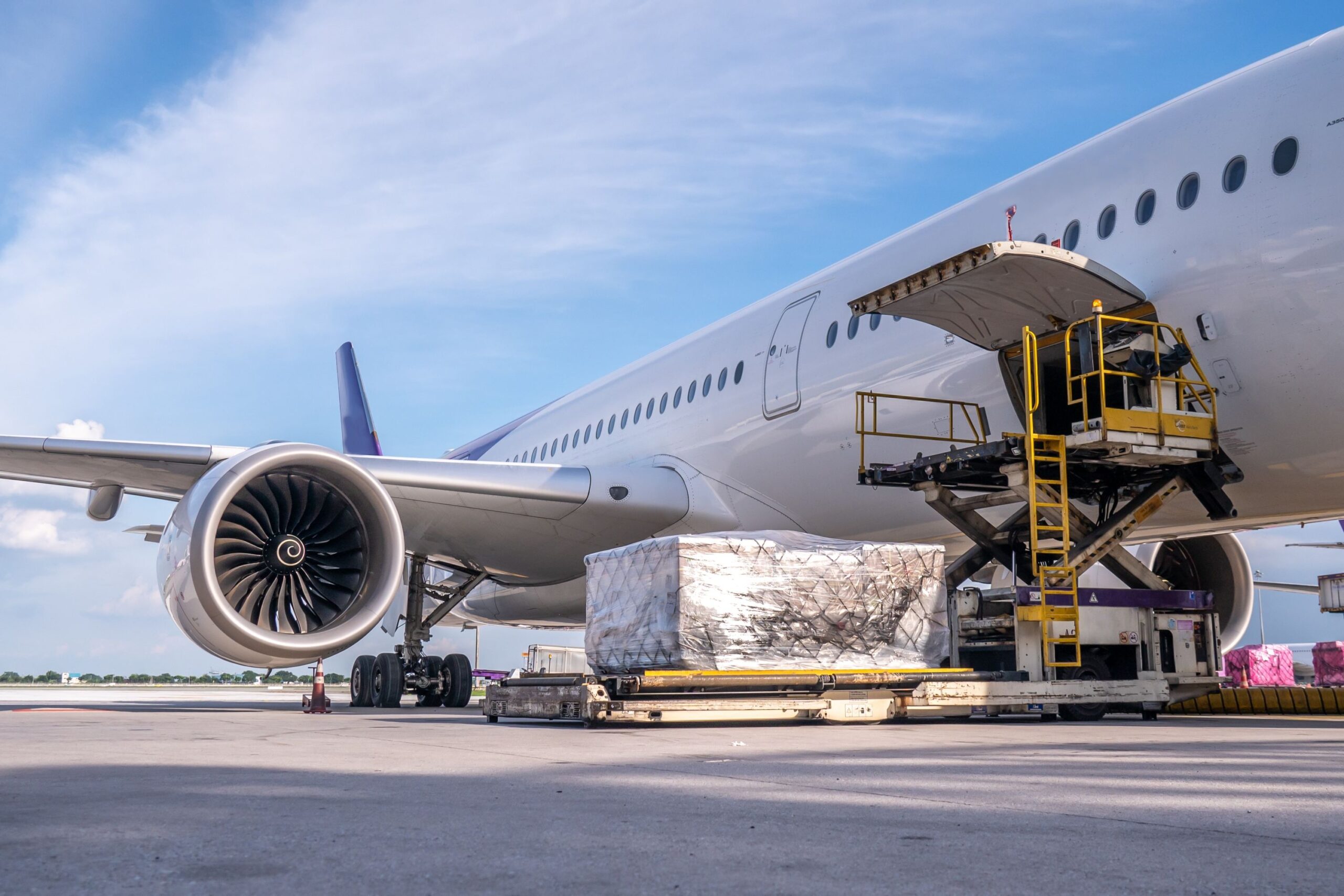
Principais aeroportos da China
Principais portas
Aeroporto Internacional de Pequim Capital (MUITO)
Um dos aeroportos mais movimentados da China e também um dos aeroportos mais movimentados do mundo. Beijing Capital serve como um importante centro tanto para o tráfego de passageiros como para o frete aéreo, conectando a China com os principais destinos globais.
Aeroporto Internacional de Xangai Pudong (PVG)
O Aeroporto de Pudong é um dos aeroportos internacionais mais importantes da China e um importante centro de carga aérea. Movimenta uma quantidade significativa de carga global e é crucial para o comércio e a logística internacionais.
Aeroporto Internacional de Cantão Baiyun (PODE)
Um aeroporto importante no sul da China, Guangzhou Baiyun movimenta um grande volume de passageiros e carga. Desempenha um papel central na ligação da China à Europa, Ásia, e as Américas.
Aeroporto Internacional de Shenzhen Bao'an (SZX)
Localizado no sul da China, Shenzhen Bao'an é uma importante porta de entrada para voos internacionais e carga, especialmente em eletrônicos e bens de consumo, apoiando cadeias de abastecimento globais.
Aeroporto Internacional de Hong Kong (Hong Kong)
Um dos centros de carga aérea mais movimentados e importantes do mundo. O Aeroporto Internacional de Hong Kong movimenta um grande volume de carga e está estrategicamente localizado como um nexo comercial global.
Aeroporto Internacional de Chengdu Shuangliu (CTU)
Uma estrela em ascensão no sudoeste da China, Chengdu Shuangliu é um centro cada vez mais importante para passageiros e carga, ligando a região ao mercado global.
Aeroporto Internacional de Xangai Hongqiao (SHA)
Embora atenda principalmente voos domésticos, O Aeroporto de Hongqiao também desempenha um papel importante no frete aéreo, especialmente para as necessidades de logística e frete na área metropolitana de Xangai.
Aeroporto Internacional de Chongqing Jiangbei (CKG)
Como um importante aeroporto no sudoeste da China, Chongqing Jiangbei é um importante centro para voos domésticos e internacionais, com aumento da capacidade de carga aérea.
Aeroporto Internacional de Xangai Hongqiao (SHA)
Embora atenda principalmente voos domésticos, O Aeroporto de Hongqiao também desempenha um papel importante no frete aéreo, especialmente para as necessidades de logística e frete na área metropolitana de Xangai.
Aeroporto Internacional de Chongqing Jiangbei (CKG)
Como um importante aeroporto no sudoeste da China, Chongqing Jiangbei é um importante centro para voos domésticos e internacionais, com aumento da capacidade de carga aérea.
Aeroporto Internacional de Nanjing Lukou (NKG)
O principal aeroporto internacional da província de Jiangsu, Nanjing Lukou está se tornando um importante centro de frete aéreo na região do Delta do Rio Yangtze.
Aeroporto Internacional de Tianjin Binhai (TSN)
Localizado no norte da China, Tianjin Binhai serve como uma importante porta de entrada para voos de passageiros e carga, especialmente nos setores industriais.
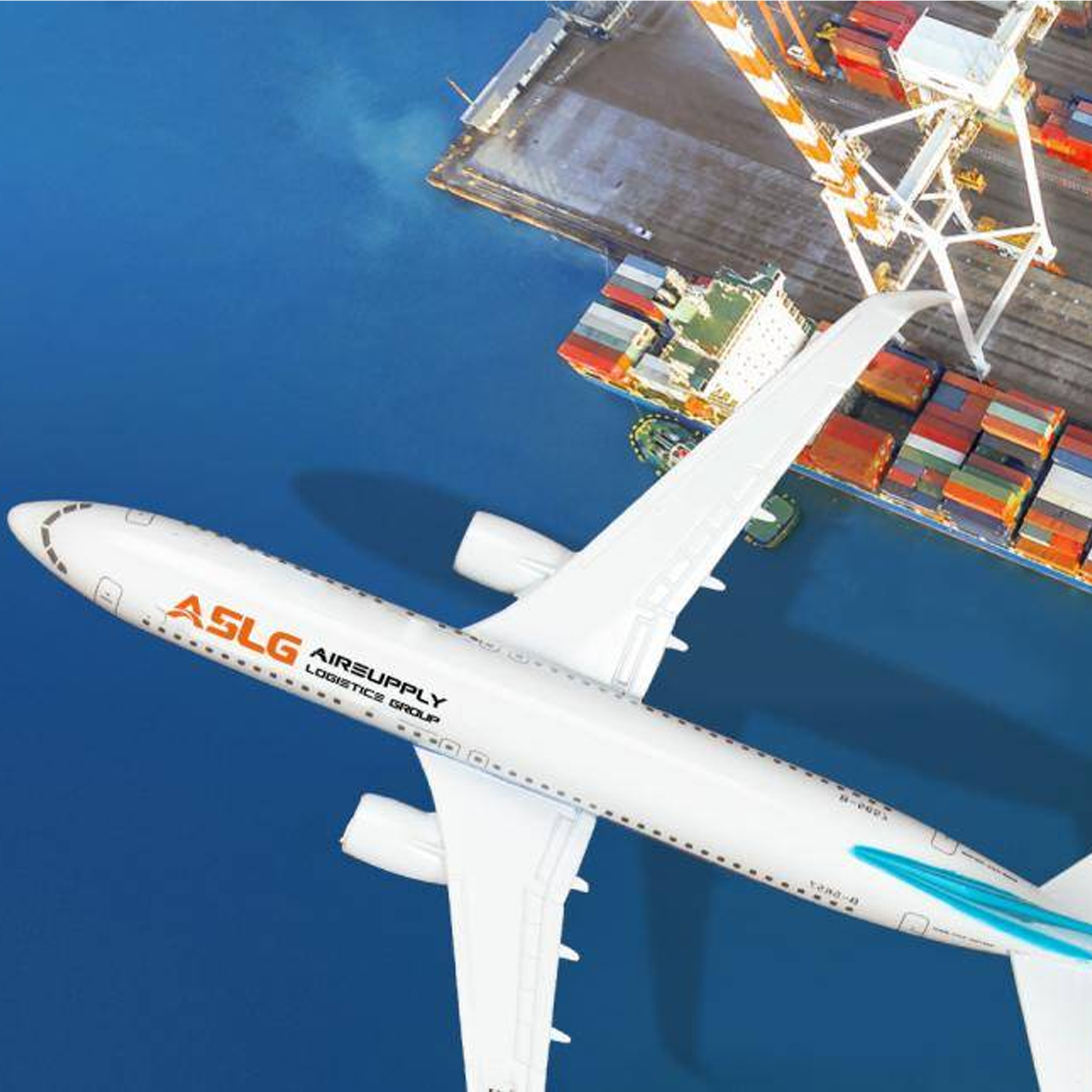
Instalações e serviços de frete aéreo
Capacidade de movimentação de carga
Os principais aeroportos da China estão equipados com sistemas de movimentação de carga de última geração, incluindo sistemas automatizados de alta capacidade e equipamentos avançados de apoio terrestre. Esses aeroportos podem movimentar com eficiência milhões de toneladas de carga aérea anualmente. A alta capacidade de manuseio garante a transferência rápida e tranquila de mercadorias das aeronaves para os armazéns, minimizando o tempo de resposta e melhorando a eficiência geral no processo de frete aéreo.
Soluções de armazenamento e armazenamento
Aeroportos como Xangai Pudong e Internacional de Hong Kong fornecer amplas instalações de armazenamento e armazenamento projetadas para frete aéreo. Estes incluem armazéns com temperatura controlada para produtos sensíveis, como produtos farmacêuticos e produtos perecíveis, assim como opções de armazenamento em massa para cargas maiores. Essas instalações garantem que as mercadorias sejam armazenadas com segurança até que estejam prontas para distribuição posterior, oferecendo uma ampla gama de serviços para atender às diversas necessidades do comércio global.
Conectividade com transporte terrestre
Os principais aeroportos chineses estão perfeitamente conectados às redes de transporte terrestre, incluindo rodovias, ferrovias, e sistemas de frete rodoviário. Esta conectividade é vital para a rápida movimentação de mercadorias do aeroporto até ao seu destino final na China e no mundo.. Por exemplo, Aeroporto Internacional de Xangai Pudong está bem conectado ao Redes ferroviárias e rodoviárias do Delta do Rio Yangtze, facilitando a distribuição rápida de mercadorias. De forma similar, Aeroporto Internacional de Cantão Baiyun tem fortes ligações logísticas com o resto do sul da China, garantindo transporte terrestre rápido e eficiente para frete aéreo.
Principais portos da China – Visão geral
Pronto para agilizar seu frete marítimo da China? Escolha Huazong Logística Envio para confiável, eficiente, e soluções logísticas econômicas. Temos escritórios em todos os principais portos, incluindo Xangai, Shenzhen, Ningbo-Zhoushan, Cantão, Qingdao, Tianjin, e Hong Kong. Entre em contato com Huazong Logistics Shipping agora para iniciar sua experiência de envio perfeita!
Processo de frete aéreo da China
Guia passo a passo
Reservando uma remessa
Reservar uma remessa é o primeiro passo no processo de frete aéreo. Escolha um despachante confiável comparando cotações e serviços. Forneça informações detalhadas sobre sua remessa, como o tipo de mercadorias, volume, peso, e destino. O frete aéreo exige informações precisas porque os custos geralmente são baseados no peso cobrável, que é uma combinação do peso e volume reais das mercadorias.
Em 2022, as exportações aéreas da China ultrapassaram 2 milhões de toneladas de frete, enfatizando a necessidade de reservas eficientes para atender à demanda global.
Requisitos de embalagem e rotulagem
Apropriado embalagem e rotulagem são cruciais para a segurança e conformidade, especialmente para remessas aéreas. As mercadorias devem ser embaladas de forma a garantir que estejam protegidas contra danos durante o trânsito rápido e às vezes acidentado. Usar materiais duráveis e garantir que cada pacote esteja claramente rotulado com o endereço de destino, instruções de manuseio, e qualquer avisos sobre materiais perigosos.
Companhias aéreas e aeroportos são rigorosos quanto às regulamentações, e rotulagem incorreta ou embalagem ruim pode causar atrasos ou rejeições na alfândega. Os padrões da indústria mostram que a conformidade com embalagens e rótulos adequados pode reduzir atrasos ao 15-20%.
Procedimentos de desembaraço aduaneiro
O desembaraço aduaneiro é uma parte vital do processo de frete aéreo. Esta etapa envolve preparar e enviar o documentos essenciais como o fatura comercial, lista de embalagem, em uma carta de porte (AWB), e conhecimento de embarque.
Documentação imprecisa ou incompleta pode resultar em atrasos alfandegários, levando a custos adicionais de até $500 por dia em média. Como a carga aérea normalmente se move mais rápido, garantir um desembaraço aduaneiro tranquilo é ainda mais crucial para evitar gargalos. Trabalhe em estreita colaboração com seu despachante para atender a todos regulamentos de importação/exportação e garantir o bom processamento através da alfândega.
Carregamento e Transporte
Uma vez que as mercadorias passam pela alfândega, eles são carregado em aeronaves, muitas vezes através correias transportadoras ou empilhadeiras dependendo do equipamento do aeroporto. O carregamento de carga aérea requer um manuseio cuidadoso para evitar danos e garantir a distribuição adequada do peso.
Os principais aeroportos internacionais da China, como Aeroporto de Pequim Capital e Internacional de Xangai Pudong, movimentar milhões de toneladas de frete aéreo anualmente, tornando essenciais práticas de carregamento eficientes para evitar atrasos.
O aeronave em seguida, transporta a mercadoria para o aeroporto de destino, geralmente aderindo a um cronograma apertado que garante a entrega pontual. O velocidade do frete aéreo é uma de suas principais vantagens, com tempos de trânsito normalmente variando de 1-7 dias dependendo do destino.
Entrega e Descarga no Destino
Ao chegar ao aeroporto de destino, mercadorias são descarregado e passar desembaraço alfandegário. Semelhante ao processo de partida, o desembaraço aduaneiro no destino exige documentação adequada e declarações precisas.
Uma vez limpo, seu despachante gerenciará a logística para transportar as mercadorias do aeroporto até o ponto de entrega final, seja por caminhão ou transporte ferroviário. Certifique-se de que toda a documentação esteja em ordem para evitar atrasos. Descarga e entrega eficientes são essenciais, já que o frete aéreo normalmente envolve remessas urgentes, e quaisquer atrasos podem impactar significativamente as operações da cadeia de abastecimento.
Tipos de serviços de frete aéreo
FCL (Carga Completa)
Benefícios e cenários de uso
FCL no frete aéreo, ou Carga Completa, refere-se a uma remessa em que uma aeronave inteira é usada para transportar mercadorias. Este método é adequado para empresas com grandes quantidades ou alto valor remessas. Os benefícios incluem menor custo por unidade, espaço de carga dedicado, e manuseio mais rápido já que a remessa não é compartilhada com terceiros. Por exemplo, um empresa farmacêutica enviar um grande lote de equipamentos médicos pode preferir FCL devido à urgência, segurança, e alto valor da carga.
LCL (Menos que a carga de carga)
Benefícios e cenários de uso
LCL, ou Menos que a carga de carga, é ideal para remessas menores que não requerem uma aeronave completa. Vários remetentes compartilham espaço no mesmo voo, o que torna o LCL mais econômico para pequenas empresas ou remessas ocasionais. Os benefícios incluem reduzir custos iniciais, flexibilidade, e a capacidade de enviar volumes menores com eficiência. Por exemplo, um varejista de moda exportador 100 caixas de roupas para diversos destinos podem se beneficiar do LCL porque reduz o custo de envio em comparação com uma carga completa.
Serviços fretados
Benefícios e cenários de uso
Os serviços de fretamento envolvem a contratação de uma aeronave inteira por um período remessa única, normalmente usado para urgente ou carga especializada que precisa ser entregue rapidamente. Este serviço é frequentemente escolhido para entregas de alta prioridade, como peças sensíveis ao tempo para a indústria automóvel ou suprimentos médicos de emergência. Os benefícios incluem capacidade garantida, rotas diretas, e flexibilidade programar voos de acordo com a necessidade do embarcador. Por exemplo, um empresa de dispositivos médicos que precisam enviar equipamentos médicos urgentes podem usar serviços de fretamento para entrega mais rápida e controlada.
CÉREBRO (Roll-on/Roll-off) para frete aéreo
Benefícios e cenários de uso
Enquanto CÉREBRO é normalmente usado para frete marítimo, frete aéreo também oferece serviços especializados para transporte de veículos e máquinas de grande porte, embora menos comum. Algumas transportadoras aéreas de carga fornecem Serviços roll-on/roll-off para carga especializada, como componentes de aeronaves, veículos militares, ou carros de luxo. O principal benefício do RORO no frete aéreo é o facilidade de carga/descarga e capacidade de mover itens grandes sem embalagem adicional. Por exemplo, um empresa de aviação o transporte de grandes peças de aeronaves pode se beneficiar dos serviços RORO, pois simplifica o processo de carregamento.
Frete Especializado (Temperatura controlada, Perigoso, ou carga superdimensionada)
Benefícios e cenários de uso
Serviços especializados de frete aéreo atendem a necessidades específicas como bens sensíveis à temperatura, mercadorias perigosas, ou carga superdimensionada. Esses serviços são oferecidos em voos dedicados ou em aeronaves especialmente configuradas para acomodar os requisitos exclusivos de tais remessas.. Por exemplo, exportadores de alimentos enviar produtos frescos ou itens congelados usaria frete aéreo com temperatura controlada para garantir que as mercadorias cheguem em perfeitas condições. De forma similar, produtos químicos ou farmacêuticos podem exigir embalagem e manuseio especializados devido à sua natureza perigosa.
Visão geral do serviço de frete aéreo
TIPO DE SERVIÇO BENEFÍCIOS CENÁRIOS DE USO FCL (Carga Completa) Menor custo por unidade, espaço dedicado, manuseio mais rápido Grandes volumes, por exemplo, remessas farmacêuticas de alto valor ou exportações de eletrônicos LCL (Menos que a carga de carga) Custos iniciais mais baixos, flexibilidade Remessas menores, por exemplo, 50 caixas de roupas de uma pequena empresa Serviços fretados Capacidade garantida, rotas diretas, flexibilidade Carga urgente ou especializada, por exemplo, equipamento médico sensível ao tempo CÉREBRO (Roll-on/Roll-off) Facilidade de carga/descarga, eficiência de custos Grandes máquinas ou veículos, por exemplo, peças de aeronaves ou carros de luxo Frete Especializado (Temperatura controlada, Perigoso, ou carga superdimensionada) Controle de temperatura, segurança, precisão de manuseio Bens sensíveis, por exemplo, exportações de alimentos frescos, produtos químicos perigosos, ou máquinas de grandes dimensões
Custos de envio de frete aéreo da China
Repartição dos Custos
Taxas de envio
As taxas de envio são um componente importante dos custos de frete aéreo. Estas taxas dependem peso e volume da carga, bem como o distância entre os aeroportos de origem e de destino. Por exemplo, enviando um 100 kg remessa de Xangai para Los Angeles pode custar entre $1,500 para $3,000, dependendo do tamanho e tipo de carga, e condições de mercado.
Direitos Aduaneiros e Impostos
Os direitos aduaneiros e impostos são cobrados pelo país de destino. Esses custos variam de acordo com tipo de mercadorias e seus valor declarado. Por exemplo, importando eletrônica para os EUA incorre em um dever de cerca 5-10% do valor do envio. Adicionalmente, remessas de frete aéreo podem incorrer taxas de manuseio ou sobretaxas de combustível nos aeroportos de destino.
Seguro
O seguro protege seus bens contra perda ou dano durante o trânsito. O custo do seguro normalmente varia de 0.3% para 0.5% do valor da carga. Para itens de alto valor, como eletrônica, produtos farmacêuticos, ou maquinaria, investir em seguros é crucial para mitigar riscos e garantir proteção financeira durante o trânsito aéreo.
Taxas de manuseio e logística
As taxas de manuseio e logística cobrem os custos de carregando, descarregando, e transporte de mercadorias dentro dos aeroportos. Essas taxas podem variar de $100 para $300 por remessa e incluem serviços como taxas de movimentação de carga, taxas de segurança da companhia aérea, e taxas de documentação. Dependendo da complexidade da carga, essas taxas podem ser mais altas.
Fatores que influenciam os custos
Peso e Volume
O peso e volume da sua remessa impacta significativamente os custos de frete aéreo. Remessas mais pesadas e volumosas tendem a incorrer em tarifas mais altas devido ao espaço que ocupam na aeronave. Por exemplo, uma remessa de maquinaria custará mais do que um menor, remessa mais leve de roupas devido ao seu tamanho e peso. As cobranças são normalmente baseadas no peso real ou peso volumétrico, o que for maior.
Taxas do aeroporto de destino
Diferentes aeroportos têm estruturas de taxas variadas, dependendo do tráfego e dos serviços prestados. Taxas do aeroporto de destino pode incluir desembaraço alfandegário, taxas de manuseio, taxas de armazenamento, e entrega para o destino final. Aeroportos de alto tráfego como Aeroporto Internacional de Los Angeles (RELAXADO) tendem a ter taxas mais altas em comparação com aeroportos menores ou regionais.
Variações sazonais
As taxas de frete aéreo podem variar com base em demanda sazonal. Durante as temporadas de pico, como o período de férias ou Ano Novo Chinês, as taxas de envio podem aumentar em 20-30% devido à maior demanda por capacidade de carga aérea. Este período vê um influxo de remessas, especialmente para indústrias como eletrônica e varejo, o que pode aumentar as taxas de frete aéreo e as taxas de manuseio.
Dicas de economia de custos para frete aéreo
Consolidando Remessas
Consolidar remessas menores em uma remessa maior também pode economizar custos no frete aéreo. Ao combinar múltiplas remessas de diferentes fornecedores em um único, você pode se beneficiar de redução taxas de envio e minimizado taxas de manuseio. Por exemplo, em vez de enviar vários pacotes pequenos de vários fornecedores, consolidá-los em uma remessa pode reduzir o custo geral de remessa e reduzir o custo unitário de entrega.
Escolhendo o Incoterm Certo
Selecionando o apropriado Incoterm pode influenciar muito o custo total do frete aéreo. Incoterms como FOB (Gratuito a bordo) ou EXW (Ex-obra) definir claramente as responsabilidades de custos entre o comprador e o vendedor. Estes termos determinam quem é responsável pelo frete, seguro, direitos aduaneiros, e outros encargos. Ao entender esses termos, você pode evitar despesas inesperadas e garantir que não está pagando a mais por serviços que deveriam ser administrados pelo seu fornecedor.
Negociação de taxas com despachantes
Negociação de taxas com vários despachantes aéreos pode levar a melhores negócios. Como os custos do frete aéreo são frequentemente influenciados por fatores como sobretaxas de combustível e disponibilidade de espaço na operadora, trabalhar com diferentes despachantes permite comparar taxas e escolher a opção mais econômica. Estabelecendo um relacionamento de longo prazo com um encaminhador confiável também pode ajudar a proteger descontos ou taxas preferenciais. Por exemplo, assinando um contrato para remessas regulares poderia reduzir os custos por remessa em 10-20%, especialmente se você envia grandes volumes.
Visão geral dos custos de frete marítimo
| COMPONENTE DE CUSTO | DETALHES |
|---|---|
| Taxas de envio | $1,500 – $3,000 para uma remessa de 100 kg da China para os EUA |
| Direitos Aduaneiros e Impostos | 5-10% do valor de remessa de eletrônicos nos EUA |
| Seguro | 0.3% – 0.5% do valor da carga |
| Taxas de manuseio e logística | $100 – $300 por remessa (dependendo do peso e volume) |
| Fatores que influenciam os custos | Peso, volume, taxas do aeroporto de destino, variações sazonais |
| Dicas para economizar custos | Consolidando remessas, escolhendo o Incoterm certo, negociação de taxas |
Tempos de trânsito para frete aéreo da China
Fatores que afetam os tempos de trânsito
Distância até o destino
O distância entre os aeroportos de origem e de destino é um fator chave nos tempos de trânsito do frete aéreo. Distâncias mais longas resultam naturalmente em tempos de voo mais longos. Por exemplo, envio da China para o Costa Oeste dos EUA normalmente leva 1-3 dias, enquanto envia para Europa geralmente leva 2-5 dias dependendo da rota exata e da frequência do voo.
Rota de voo
O rota de voo levados pela aeronave também podem afetar os tempos de trânsito. Os voos diretos são normalmente mais rápidos do que aqueles com escalas ou múltiplas escalas. Por exemplo, um vôo direto de Xangai para Nova Iorque é mais rápido do que aquele que inclui uma escala em Hong Kong ou outro aeroporto. Rotas que passam por espaços aéreos movimentados ou que exigem múltiplas paradas também podem levar a tempos de trânsito mais longos.
Companhia Aérea e Tipo de Aeronave
Diferente companhias aéreas e aeronave tipos podem influenciar o tempo que levam as remessas aéreas. Aviões de carga maiores, com voos mais frequentes, muitas vezes oferecem entregas mais rápidas e confiáveis. Por outro lado, aeronaves de carga menores ou voos com disponibilidade limitada podem demorar mais ou enfrentar atrasos. A escolha da companhia aérea pode impactar tanto o custo quanto o tempo de trânsito, especialmente durante as temporadas de pico de envio.
Congestionamento aeroportuário e desembaraço aduaneiro
Congestionamento do aeroporto, especialmente em grandes centros internacionais como Xangai Pudong ou Aeroporto Internacional de Los Angeles (RELAXADO), pode causar atrasos no carregamento, descarregando, e desembaraço aduaneiro. Além disso, desembaraço alfandegário no aeroporto de destino é outro fator crítico – se os documentos estiverem incompletos ou se forem necessárias inspeções adicionais, isso pode causar atrasos. Procedimentos alfandegários eficientes e operações simplificadas podem ajudar a economizar várias horas ou até dias no tempo de trânsito.
Tempos médios de trânsito para frete aéreo da China
China para América do Norte
O tempo médio de trânsito para frete aéreo da China para a América do Norte normalmente varia de 1 para 3 dias para o Costa Oeste (por exemplo, Los Angeles ou São Francisco) devido à distância menor. Para o Costa Leste (por exemplo, Nova Iorque ou Chicago), pode demorar cerca 2 para 4 dias, dependendo da rota específica, companhia aérea, e escalas.
China para Europa
Os tempos de trânsito da China para a Europa geralmente variam de 2 para 5 dias, dependendo dos aeroportos específicos envolvidos. Principais aeroportos europeus como Francoforte, Londres Heathrow, e ParisCharles de Gaulle frequentemente recebem carga aérea da China. Voos diretos são mais rápidos, mas voos de conexão ou escalas podem adicionar um ou dois dias ao prazo de entrega.
China para África e Médio Oriente
Frete aéreo da China para África e o Médio Oriente varia muito de acordo com o destino. Envio para os principais hubs do Médio Oriente, como Dubai, geralmente leva 3 para 5 dias. Remessas para África Ocidental (por exemplo, Lagos, Acra) normalmente leva por aí 5 para 7 dias dependendo da companhia aérea específica e se o voo é direto ou tem escalas.
Visão geral do tempo de trânsito de frete aéreo
| REGIÃO DE DESTINO | TEMPO MÉDIO DE TRÂNSITO | PRINCIPAIS FATORES QUE IMPACTAM O TEMPO |
|---|---|---|
| América do Norte (Costa Oeste) | 1 para 3 dias | Distância, voos diretos, eficiência da companhia aérea |
| América do Norte (Costa Leste) | 2 para 4 dias | Distância maior, escalas potenciais, frequência de voo |
| Europa | 2 para 5 dias | Rotas diretas, eficiência aeroportuária, desembaraço alfandegário |
| Médio Oriente | 3 para 5 dias | Rotas diretas, aeroportos eficientes |
| África | 5 para 7 dias | Distância, escalas, congestionamento do aeroporto, voos disponíveis |
Tipos e tamanhos de contêineres para frete aéreo
Contêineres Padrão (ULD – Dispositivo de carga unitária)
No frete aéreo, recipientes padrão são referidos como Dispositivos de carga unitária (ULD), que vêm em vários tamanhos. Os tipos de ULD mais comuns são os LD3 e LD9, com o LD3 contêiner normalmente tendo uma capacidade de volume de cerca de 1.5 para 3 metros cúbicos e o LD9 recipiente segurando por aí 4 para 5 metros cúbicos. Esses recipientes são projetados para caber no porão de carga de aeronaves. Alguns maiores paletes ou recipientes como o PMC (Caixa Mestre Paletizada) pode acomodar até 6 para 10 metros cúbicos de carga, dependendo do tipo de aeronave.
Contêineres Especializados (Refrigerador, Volume, Carga Superdimensionada)
O frete aéreo também inclui contêineres especializados para requisitos exclusivos de transporte.
Contêineres frigoríficos têm temperatura controlada e são ideais para envio bens perecíveis, como produtos farmacêuticos, comida fresca, ou vacinas.
Contentores a granel são usados para transportar grandes quantidades de mercadorias a granel, como produtos químicos ou grãos, mas estes são menos comuns no frete aéreo devido a restrições de espaço.
Carga superdimensionada normalmente é enviado em paletes ou plataformas que não cabem em recipientes padrão, e muitas vezes exige arranjos especiais e serviços fretados para transporte.
Paletes e caixas para frete aéreo
Tamanhos e tipos de paletes padrão
Paletes no frete aéreo são usados para consolidar pacotes menores em um único, unidade fácil de manusear. Comum tamanhos de paletes padrão são:
48 x 40 polegadas (EUA)
1200 x 1000 milímetros (Europa)
Os paletes de frete aéreo são geralmente feitos de madeira, plástico, ou metal, com paletes de plástico sendo preferidos para carga sensível à higiene como suprimentos médicos ou produtos alimentícios.
Diretrizes de embalagem para paletes e caixas
A embalagem adequada é vital no frete aéreo para garantir a segurança das mercadorias. As caixas devem ser resistentes o suficiente para suportar o manuseio e o empilhamento, e deve ser dimensionado para caber firmemente no palete para evitar deslocamento. Materiais de amortecimento como espuma, plástico bolha, ou almofadas de ar são usadas para proteger o conteúdo. Para envio internacional, é importante seguir as diretrizes de embalagem para mercadorias perigosas ou itens perecíveis para evitar atrasos alfandegários.
Protegendo e etiquetando remessas
As remessas de frete aéreo devem ser devidamente protegido usando alças, envoltório retrátil, ou protetores de canto para estabilizar a carga e evitar danos durante o transporte. Rotulagem clara é essencial para o fluxo suave de mercadorias através da alfândega. Cada palete ou caixa deve ser etiquetada com o endereço de destino, instruções de manuseio, e códigos de barras de rastreamento para monitoramento eficiente. A rotulagem correta pode reduzir tratamento de erros por até 30%, garantindo que as remessas cheguem ao destino correto sem problemas.
Visão geral dos contêineres, Paletes, e caixas
| Carregando Tipo de Unidade | DESCRIÇÃO | CASO DE USO |
|---|---|---|
| Carga Aérea ULD (Padrão) | Recipiente de ar padronizado (por exemplo, Tanque LD3 1.5 capacidade m³) | Carga geral, Bagagem |
| Contêiner de ar refrigerado | Temperatura controlada, design do tamanho de uma carga aérea | Perecíveis (produtos frescos), produtos farmacêuticos |
| Palete de ar | Palete leve + rede, cabe no espaço de carga | Carga a granel, mercadorias embaladas irregularmente |
| Caixa de ar para animais vivos | Ventilado, com temperatura controlada, resistente a impactos (atende aos padrões de transporte aéreo) | Animais de estimação, animais de laboratório |
| Contentor de ar para mercadorias perigosas | À prova de explosão, à prova de vazamentos, antiestático (está em conformidade com os regulamentos de mercadorias perigosas para o ar) | Mercadorias perigosas regulamentadas (por exemplo, baterias de lítio, produtos químicos) |
Incoterms de transporte aéreo da China
Visão geral dos Incoterms
Definição e Importância
Incoterms comuns em frete aéreo
EXW (Ex-obra)
FCA (Operadora Gratuita)
CPT (Transporte pago para)
CIP (Transporte e seguro pagos)
PAD (Entregue no local)
Escolhendo o Incoterm Certo
Distribuição de riscos e custos
Responsabilidades do comprador e do vendedor
Visão geral dos Incoterms comuns
| Incoterm | Principais responsabilidades do vendedor | Principais responsabilidades do comprador | Ponto de transferência de risco | Cenário Ideal de Frete Aéreo |
|---|---|---|---|---|
| EXW | Disponibilizar mercadorias nas suas instalações | Lidar com todo o transporte (desde a localização do vendedor até o destino final), desembaraço alfandegário, custos, e riscos | Quando as mercadorias são disponibilizadas ao comprador nas instalações do vendedor | Compradores com capacidades estabelecidas de logística de frete aéreo |
| FCA | Entregar mercadorias à transportadora designada (por exemplo, armazém do despachante perto do aeroporto de partida) | Organizar transporte aéreo (da operadora em diante), desembaraço alfandegário, transporte de última milha, e custos associados | Quando as mercadorias são entregues ao transportador designado | Transações que necessitam de coordenação flexível de recursos de carga aérea |
| CPT | Pague frete aéreo até o aeroporto de destino; entregar mercadorias ao transportador | Organizar seguro de carga, transporte (após o aeroporto de destino), desembaraço alfandegário, e custos associados | Quando as mercadorias são entregues ao transportador | Remessas aéreas padrão onde o comprador prefere contratar seu próprio seguro |
| CIP | Pague frete aéreo + providenciar seguro básico de carga; entregar mercadorias ao transportador | Lidar com transporte (após o aeroporto de destino), desembaraço alfandegário, e custos associados | Quando as mercadorias são entregues ao transportador | Remessas aéreas de mercadorias frágeis ou de alto valor (por exemplo, eletrônica, produtos farmacêuticos) |
| PAD | Providenciar transporte para o local indicado pelo comprador; assumir todos os riscos de trânsito (excluindo direitos de importação) | Lidar com o desembaraço aduaneiro de importação e pagar as taxas aplicáveis | Quando as mercadorias são disponibilizadas no local indicado pelo comprador | Transações em que o comprador deseja um processo logístico simplificado |
A escolha do Incoterm certo garante uma suave e eficiente processo de envio, adaptado às suas necessidades e capacidades específicas.
Escolhendo um despachante aéreo confiável
Principais considerações
Experiência e reputação
Rede e Parcerias
Atendimento e Suporte ao Cliente
Principais despachantes de carga na China
Documentação e Conformidade
Documentos essenciais
Na carta de porte (AWB)
Fatura Comercial
Lista de embalagem
Certificado de Origem
Conformidade com os regulamentos de comércio internacional
Regulamentos de importação/exportação
Sanções e restrições comerciais
Rotas de envio e tempos de trânsito
Principais rotas de transporte aéreo da China
Ásia para América do Norte
Ásia para Europa
Ásia para África e Médio Oriente
Tempos de trânsito estimados
Fatores que afetam os tempos de trânsito
Tempos médios para rotas principais
| Rota | Tempo médio de trânsito | Fatores-chave |
|---|---|---|
| Ásia para América do Norte | 2 para 5 dias | Disponibilidade de voo direto, eficiência alfandegária aeroportuária |
| Ásia para Europa | 1 para 3 dias | Voos diretos diários, operações aeroportuárias centrais |
| Ásia para África e Médio Oriente | 2 para 6 dias | Frequência de voo de conexão, capacidade do aeroporto de destino |
- Ásia para América do Norte: Os voos diretos para a Costa Oeste dos EUA normalmente levam de 2 a 3 dias, enquanto para a Costa Leste, pode levar de 3 a 5 dias (incluindo escala para voos de conexão).
- Ásia para Europa: Os voos diretos variam de 1 a 3 dias, com grandes centros oferecendo entrega no mesmo dia ou no dia seguinte para cargas urgentes.
- Ásia para África e Médio Oriente: Remessas para o Oriente Médio (por exemplo, Dubai) leve de 2 a 3 dias em voos diretos; as remessas para a África podem levar de 4 a 6 dias devido às rotas diretas limitadas.
Desafios e soluções em frete marítimo da China
Desafios Comuns
Atrasos e interrupções
Atrasos e interrupções são comuns no frete marítimo, muitas vezes causado por condições climáticas, greves trabalhistas, e questões técnicas com embarcações. Por exemplo, tufões no Pacífico podem atrasar as remessas em vários dias. Em 2021, fechamentos de portos devido a surtos de COVID-19 também causaram interrupções significativas, afetando as cadeias de abastecimento globais.
Congestionamento portuário
Congestionamento portuário é um grande problema em portos chineses movimentados como Xangai e Shenzhen. Altos volumes de carga e capacidade limitada de movimentação podem levar a gargalos e longos tempos de espera para os navios atracarem e descarregarem. Esse congestionamento pode estender os prazos de entrega em vários dias ou até semanas, impactando toda a cadeia logística.
Mudanças regulatórias
Freqüente mudanças regulatórias pode complicar as operações de frete marítimo. Mudanças em regulamentos aduaneiros, tarifas, e políticas de importação/exportação pode afetar cronogramas e custos de envio. Por exemplo, novas regulamentações ambientais sobre emissões de enxofre dos navios aumentaram os custos operacionais para as companhias de navegação, que pode ser repassado aos expedidores.
Soluções Eficazes
Escolhendo o cronograma de envio correto
Selecionando o cronograma de envio correto pode ajudar a mitigar atrasos. Os expedidores devem planear os envios fora dos horários de pico para evitar congestionamentos. Por exemplo, evitar a correria pré-Ano Novo Chinês pode resultar em processamento mais rápido e menos atrasos. O uso de ferramentas avançadas de planejamento pode ajudar a identificar os melhores momentos para enviar mercadorias.
Diversificando as portas de entrada
Diversificando as portas de entrada pode reduzir a dependência de portos congestionados e mitigar atrasos. Em vez de enviar exclusivamente para portos de alto tráfego como Xangai, considere usar portas alternativas, como Ningbo-Zhoushan ou Tianjin. Estas portas têm frequentemente tempos de espera mais curtos e pode fornecer um manuseio mais eficiente de mercadorias.
Manter-se atualizado com as notícias comerciais
Mantendo atualizado com notícias comerciais é crucial para antecipar e responder às mudanças no cenário do transporte marítimo. Assinando boletins informativos do setor, adesão a associações comerciais, e seguir fontes de notícias relevantes pode fornecer informações oportunas sobre mudanças regulatórias, condições portuárias, e outros fatores que afetam o frete marítimo. Esta abordagem proativa permite que os expedidores ajustem as suas estratégias e minimizem as interrupções.
Visão geral dos desafios e soluções
| Desafios | Soluções |
|---|---|
| Atrasos e interrupções | Escolha o cronograma de envio correto |
| Congestionamento portuário | Diversifique as portas de entrada |
| Mudanças regulatórias | Fique atualizado com notícias comerciais |
Ao compreender estes desafios comuns e implementar soluções eficazes, as empresas podem navegar pelas complexidades do frete marítimo da China com mais eficiência, garantindo a entrega oportuna e econômica de mercadorias.
Perguntas frequentes
Em que volume o frete marítimo é financeiramente atraente?
Acima 2 CBM, você tem que considerar o transporte marítimo. Se o seu volume for inferior a 2 CBM, frete aéreo pode ser mais barato.
Devo preferir consolidação ou contêiner completo?
Se o seu volume de carga for inferior a 15 CBM, A consolidação LCL é melhor e mais barata. Acima 15 CBM, o contêiner cheio é a melhor opção.
Como escolher o porto de partida?
Dependendo de 2 critérios: O endereço do fornecedor, prefira um porto de partida próximo à fábrica ou armazém do fornecedor. Além disso, você deve escolher a porta de acordo com o preço. Quanto maior o porto, quanto menor o preço.
Quais são as principais companhias marítimas que partem dos portos chineses?
Como a China é o maior exportador mundial, todas as companhias de navegação estão presentes, por exemplo, os principais com os quais gostamos de trabalhar: TRANSPORTE CHINA, MAERSK, CMA-CGM, MSC, UM.
Como é cobrado o frete marítimo?
Se optar pela grupagem, você é cobrado por CBM. Por exemplo, uma grupagem China-EUA custa US$ 30/CBM, para 1 mês de trânsito, enquanto uma grupagem China-Índia custa US$ 20/CBM para 15 dias de trânsito.
Como escolher um despachante marítimo confiável?
Verifique se realmente existe, e se tiver escritórios na China, idealmente nos principais portos chineses. Se você quer o melhor, Huazong Logistics Shipping está ao seu serviço.
Como evitar golpes de encaminhamento de frete?
Não seja ingênuo. Preços muito baixos ou ofertas muito tentadoras costumam esconder surpresas desagradáveis. Huazong Logistics Shipping é a sua melhor opção para transportar seus produtos por via marítima.


