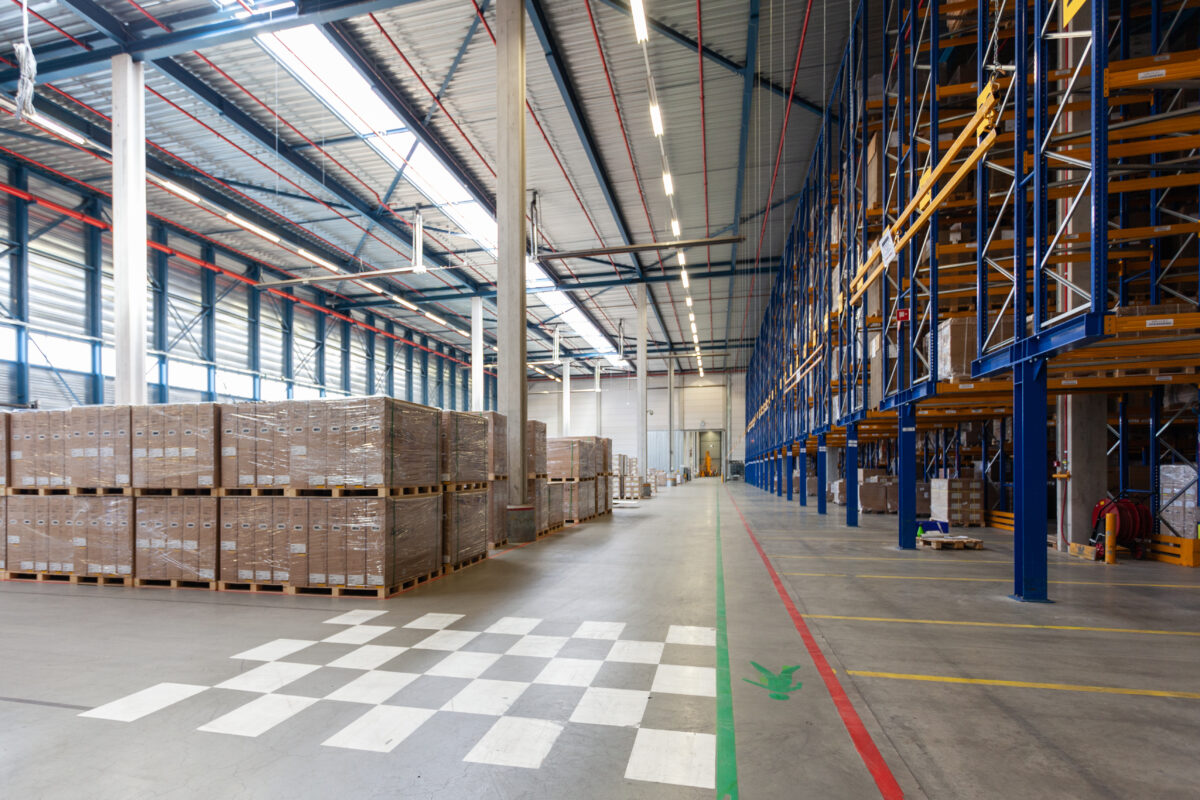



Warehouse management plays a crucial role in modern supply chains. It involves not only the storage, packaging, and sorting of goods but also inventory control, order processing, and distribution. An efficient warehouse management system can help businesses reduce operational costs, improve delivery efficiency, and ensure goods reach their destination on time, thereby boosting customer satisfaction and overall competitiveness.

Definition of Warehouse Management
Warehouse management refers to the comprehensive activities of storing, managing, packaging, sorting, and distributing goods in a warehouse. It includes not only the storage and movement of products but also the precise control of inventory, security, and order processing. With the rise of market demands and logistics technology, warehouse management has evolved into a multi-functional and high-efficiency segment of the supply chain.
The Importance of Warehouse Management in Global Trade
As global trade and e-commerce continue to grow, warehouse management efficiency directly affects business operations. By optimizing warehouse operations, companies can increase logistics responsiveness, reduce inventory build-up, lower storage costs, and improve customer service levels. Below are some key roles that warehouse management plays in global trade:
Improving Transportation Efficiency: Efficient warehouse management reduces the transfer time of goods from warehouse to distribution centers, ensuring quick delivery to customers and meeting the demand for fast responses in today’s marketplace.
Optimizing Inventory Management: With accurate inventory control systems, companies can track stock levels in real time, avoid overstocking or stockouts, and minimize inventory costs.
Reducing Supply Chain Delays: Modern warehouse facilities and technologies enable precise tracking and swift processing of goods, reducing the risks of delays caused by inventory errors or order mishandling.
Why Choose Warehouse Management Services in China?
China, with its powerful logistics infrastructure and global supply chain system, has become a vital hub for global trade. Many businesses choose to outsource warehouse management to professional companies in China due to the following advantages:
1. Cost Effectiveness
Warehouse management services in China are highly competitive in terms of cost. The low labor costs combined with advanced storage facilities make China an attractive option for businesses seeking affordable logistics solutions. Compared to other regions, companies can save a significant amount in logistics costs while maintaining high efficiency and service quality.
2. Efficient Logistics Network
China boasts one of the world’s most efficient logistics networks, including major ports, airports, and rail systems. Whether it’s sea freight, rail transport, or highway networks, warehouse centers in China are seamlessly integrated with key logistics channels, ensuring goods flow quickly and efficiently to their destinations.
3. Customizable Services
Chinese warehouse management companies typically offer highly customizable services, adapting to the unique needs of different products and industries. For example, e-commerce businesses might require faster order processing and distribution, while the pharmaceutical industry may demand stricter storage conditions. These tailored services help businesses improve operational efficiency and better meet industry-specific requirements.

Warehouse Management Process
A standard warehouse management process includes several key stages, each requiring precise coordination and control to ensure smooth operations and timely delivery.
1. Goods Receiving
Upon arrival at the warehouse, goods undergo an initial inspection to ensure that the shipment matches the order details. After the inspection, items are sorted according to predefined classification systems and stored accordingly. With the use of modern scanning and tracking systems, the receiving process is fully monitored to ensure accurate information.
2. Storage and Management
Once the goods are in the warehouse, they are categorized based on type, demand, and storage requirements. For high-value items, fragile products, or sensitive goods, dedicated storage spaces are provided for proper handling. Warehouse management systems (WMS) monitor stock conditions in real-time, ensuring that inventory levels match demand.
3. Order Processing and Sorting
When an order is placed, the warehouse uses intelligent sorting systems to pick and prepare goods for shipment quickly and accurately. Automated equipment and intelligent systems streamline the picking, packing, and dispatching of goods, enhancing efficiency and minimizing errors.
4. Shipping and Distribution
After the goods are sorted and packed, they are prepared for shipping according to the distribution requirements. China’s efficient logistics network ensures that products are swiftly transported from the warehouse to their final destinations, ensuring on-time delivery.

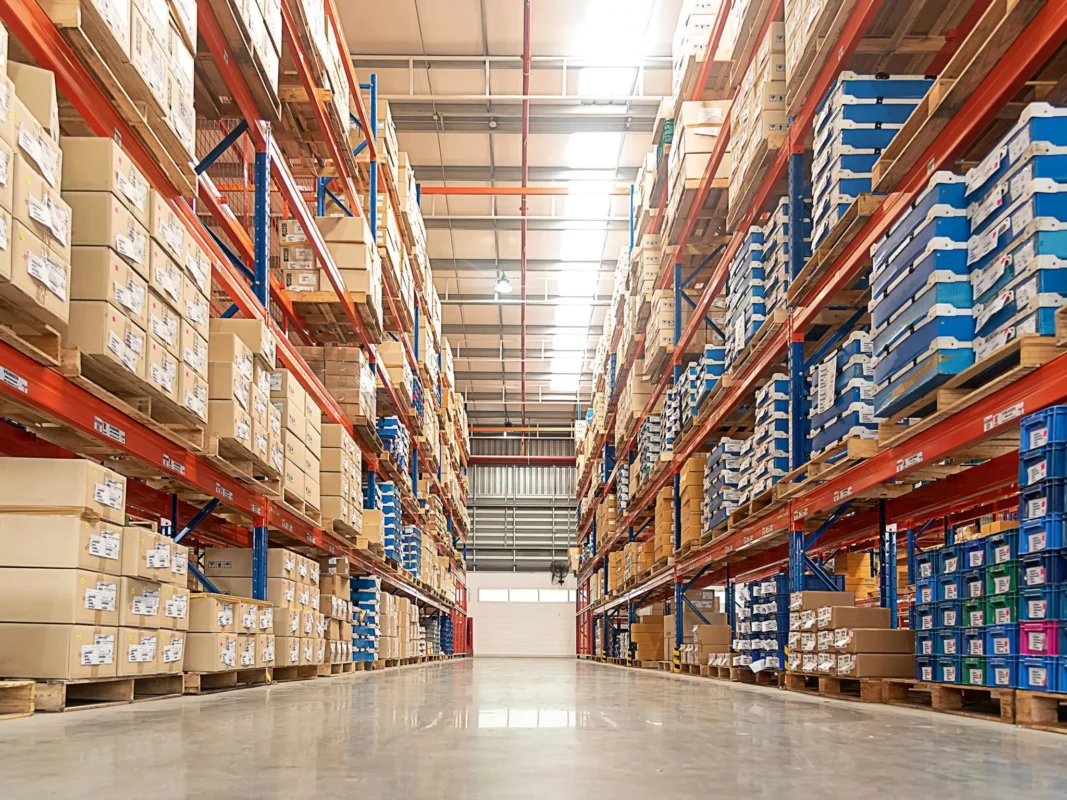
Warehouse workers checking inventory in large distribution warehouse storage.
Types of Warehouse Management Services
Warehouse management services can be categorized into several types based on customer needs. Each service type offers unique benefits and is suited for different business requirements.
1. Full-3PL Warehouse Services
For businesses that prefer to outsource their warehouse and logistics operations, full third-party logistics (3PL) services are a great choice. Companies can delegate all warehouse-related activities, including storage, transportation, and order fulfillment, to a professional third-party provider, reducing costs and improving efficiency.
2. Customized Warehouse Services
For specific industry needs, warehouse management companies can provide highly customized services. For example, e-commerce businesses often need faster processing and shipping, while the medical industry may require specialized storage conditions like temperature-controlled environments. These tailored solutions ensure businesses meet industry standards and customer expectations.
3. Returns Management
Returns management is an essential part of warehouse management for the e-commerce sector. Warehouse providers offer complete returns handling services, including inspecting returned goods, restocking, and processing refunds or exchanges. Efficient returns management improves customer satisfaction and helps reduce logistics costs.
Cost Structure in Warehouse Management
The cost of warehouse management typically includes the following components:
1. Storage Fees
Storage fees depend on the amount of space used in the warehouse. Different types of storage, such as temperature-controlled or bulk storage, come with different pricing. The fees also depend on how long the goods are stored.
2. Inventory Management Costs
Inventory management costs include tracking inventory, conducting stock audits, and maintaining the warehouse management system (WMS). These costs are significantly reduced with modern systems but still require investment for their smooth operation.
3. Distribution Fees
Distribution costs are incurred when goods are shipped from the warehouse to the customer. These costs depend on the shipping method, distance, and the weight of the goods. Businesses can optimize these costs by choosing efficient transportation options.