



FBA (Fulfillment by Amazon)
What is FBA?
FBA (Fulfillment by Amazon) is a logistics and fulfillment service provided by Amazon, where sellers store their products in Amazon’s warehouses. Amazon then handles the picking, packing, and shipping of these orders. FBA offers fast and reliable shipping services, enabling sellers to quickly deliver products to customers worldwide.
The Importance of FBA in Global Trade
FBA is critical in the global e-commerce supply chain, providing fast shipping solutions that ensure timely deliveries and reduce transit times. With FBA, sellers can ship their products directly to customers across the globe using Amazon’s platform, eliminating the complexities of warehousing, packaging, and shipping, allowing sellers to focus on sales and market expansion.
Advantages of FBA
Global Reach: FBA allows sellers to leverage Amazon’s global warehousing and logistics network, delivering products to customers worldwide.
Fast Shipping: FBA provides both standard and expedited shipping options to enhance delivery speed.
Simplified Management: FBA removes the hassle of managing storage, packing, and shipping, increasing sales efficiency.
Common FBA Questions
FBA Fees: These include storage fees, picking and packing fees, and shipping fees. Fees vary depending on product type and the shipping method selected.
FBA Shipping Times: Standard shipping usually takes 2-5 days, while expedited shipping typically takes 1-2 days, depending on the destination and the chosen shipping method.

Why Choose FBA (Fulfillment by Amazon) from China?
Advantages of FBA from China
Cost-effectiveness
FBA offers a cost-effective solution for businesses looking to reach global customers with fast delivery. While shipping by air or sea may seem expensive, using FBA allows sellers to take advantage of Amazon’s established logistics network and competitive rates. FBA offers a streamlined process that combines warehousing, fulfillment, and delivery, making it a cost-efficient choice, especially for small and medium-sized businesses.
Capacity for Large and Small Shipments
FBA is capable of handling both large and small shipments. Whether you’re shipping bulk items or individual orders, Amazon’s fulfillment centers can accommodate a wide range of products. This makes FBA ideal for businesses with fluctuating inventory needs, whether you’re shipping high-value products, smaller quantities, or seasonal items. Sellers can scale their operations with ease, thanks to Amazon’s infrastructure and global reach.
Accessibility to Amazon’s Global Network
Using FBA from China connects sellers directly to Amazon’s global fulfillment network, allowing for quick and reliable shipping to customers around the world. Amazon’s fulfillment centers are strategically located in key markets, ensuring fast delivery to North America, Europe, and beyond. The vast network of FBA warehouses enables seamless inventory management, with products stored closer to customers, reducing delivery times and improving customer satisfaction.
China’s Role in FBA Shipping and Global E-Commerce
Major Products and FBA Demand
China is a leading supplier of products across a wide range of industries, including electronics, apparel, consumer goods, and more. With a rapidly growing e-commerce sector, FBA from China has become a preferred shipping method for businesses aiming to deliver products quickly to global markets. By leveraging Amazon’s fulfillment services, businesses can avoid the complexities of warehousing, handling, and international shipping on their own.
Key Fulfillment Centers and Their Strategic Importance in FBA
Amazon’s FBA fulfillment centers, particularly in China, play a critical role in international e-commerce. These centers allow sellers to store inventory closer to end consumers, improving the speed of delivery and reducing shipping costs. FBA centers in key locations provide a strategic advantage by simplifying global shipping logistics and providing sellers with a smooth experience from China to international markets. The efficiency and connectivity of these centers are vital to the success of businesses using FBA to manage their global orders.
FBA (Fulfillment by Amazon) and Air Freight Logistics from China
Advantages of FBA Logistics
Air freight is a key solution for FBA shipments from China, offering fast, reliable, and efficient transportation. With FBA, sellers can ship their products directly to Amazon’s fulfillment centers, simplifying inventory management and order processing, and ensuring timely delivery to customers.
Synergy Between FBA and Air Freight from China
Cost-Effectiveness
While air freight is typically more expensive than sea freight, it offers a faster and more efficient solution for time-sensitive or high-value products. For example, shipping small quantities of high-value goods by air can provide better value for the seller. The speed and timely delivery of air freight often result in overall cost savings compared to traditional, slower shipping methods.
Bulk Shipments
Though air freight is ideal for small to medium-sized shipments, it also has advantages for bulk cargo. Using large cargo aircraft, goods can be transported quickly, which is particularly beneficial for urgent industry products like electronics and medical supplies. Air freight offers an ideal transportation method for businesses that require fast delivery of bulk items.
Global Network Coverage
Through FBA, sellers can leverage a global network of fulfillment centers to distribute products to consumers worldwide. The coordination between FBA’s warehouses and shipping hubs in major global markets allows sellers to seamlessly sell across borders on Amazon’s platform, boosting the competitiveness of cross-border e-commerce businesses.
FBA Air Freight Solutions
Cargo Handling Capabilities
FBA air freight solutions provide sellers with access to efficient air cargo facilities at major Chinese ports. These advanced logistics facilities ensure that products are processed and dispatched quickly, and safely transported by air to Amazon’s fulfillment centers, reducing delivery delays and transportation costs.
Warehousing and Storage Solutions
FBA offers warehousing solutions that allow sellers to store products at Amazon’s fulfillment centers. This eliminates the need for sellers to manage their own warehouses or inventory. Using FBA’s system, products are stored across Amazon’s global network of warehouses, enabling efficient inventory management and ensuring fast shipping to customers.
Inland Transportation Connectivity
China’s major logistics networks, combined with FBA’s warehousing and shipping services, ensure that air freight goods are quickly transferred to their final destination. The seamless integration of air freight and inland transportation networks enables sellers to provide timely delivery services worldwide, meeting the high demands for speed and customer service.
How to Choose a Reliable FBA Logistics Provider
Experience and Reputation
Choosing an experienced FBA logistics provider is crucial for ensuring smooth transportation. The provider should have substantial experience in cross-border e-commerce and air freight logistics, offering comprehensive shipping solutions.
Global Network and Partnerships
Opt for an FBA logistics provider with strong global partnerships to offer premium logistics solutions. A provider with established relationships at key air freight hubs and Amazon fulfillment centers will ensure seamless cross-border delivery services.
Customer Service and Support
Ensure that the chosen FBA logistics provider offers real-time tracking, fast customer service responses, and dedicated account management to assist with any issues that may arise during the transportation process.
Final Advantages of FBA Logistics
Selecting the right FBA logistics provider and air freight solution can help sellers optimize their cross-border e-commerce logistics and shipping processes. By using FBA, sellers can reduce inventory pressure, ensure products arrive on time to customers globally, and improve sales efficiency and customer satisfaction.
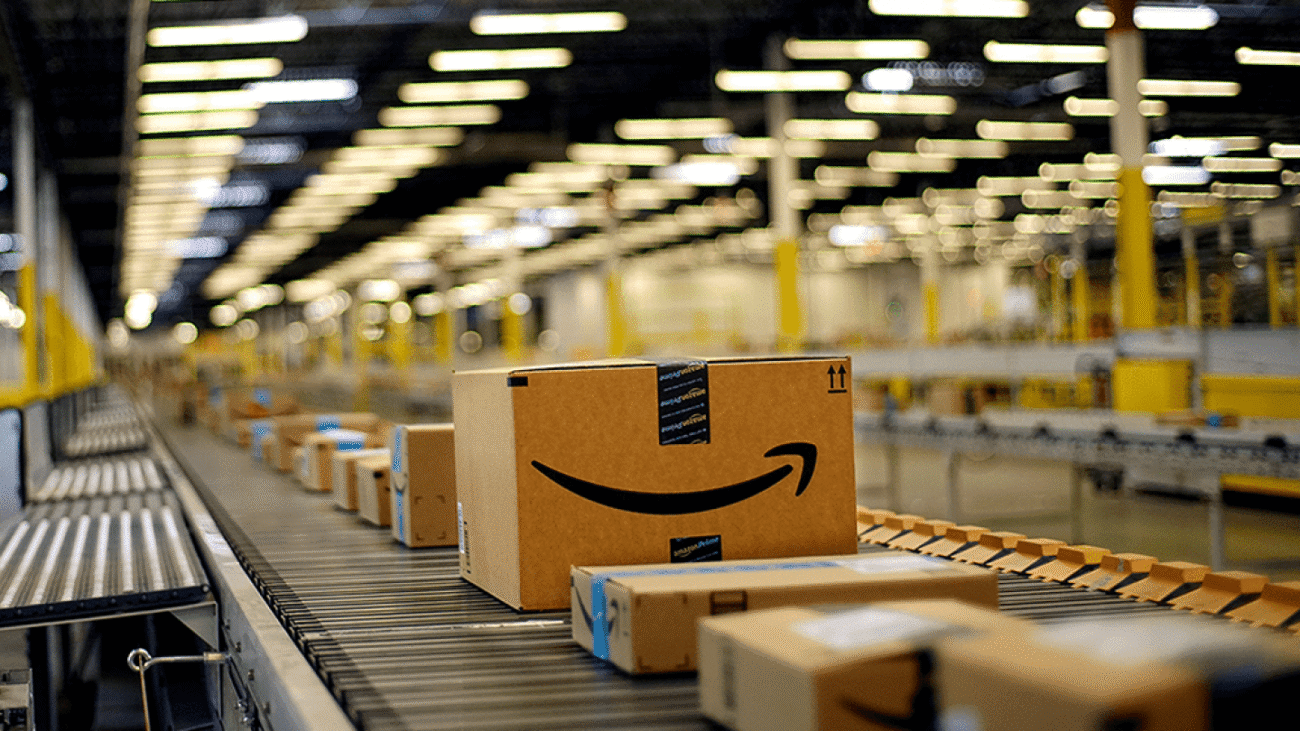
FBA Air Freight Process from China
Step-by-Step Guide for FBA Air Freight
Booking a Shipment
The first step in the FBA air freight process is booking your shipment with a reliable freight forwarder. Choose a trusted logistics partner by comparing quotes and services. Provide all necessary details, such as the type of products, volume, weight, and destination, as accurate information is essential for determining costs based on chargeable weight (a combination of actual weight and volume).
Packaging and Labeling Requirements
Proper packaging and labeling are critical for FBA air freight. To ensure that products arrive safely and comply with regulations, the goods must be well-packed and clearly labeled with the destination address, handling instructions, and any special warnings (e.g., hazardous materials). Incorrect packaging or labeling can result in delays or rejections during customs clearance.
Customs Clearance Procedures
Customs clearance is an essential part of FBA logistics. Sellers must prepare and submit the necessary documentation, such as commercial invoices, packing lists, air waybills (AWB), and bills of lading. Ensuring that all documents are accurate and complete is crucial to avoid delays. FBA air freight aims to clear customs as quickly as possible to avoid bottlenecks, especially since air freight typically involves time-sensitive shipments.
Loading and Transportation
After clearing customs, the goods are loaded onto an aircraft. Air freight handling at major Chinese airports, such as Beijing Capital and Shanghai Pudong, follows strict procedures to ensure the proper weight distribution and to minimize the risk of damage. The goods are then transported by air, typically with transit times ranging from 1 to 7 days, depending on the destination.
Delivery and Unloading at Destination
Once the goods arrive at the destination airport, they undergo customs clearance again, where proper documentation is verified. After clearing customs, the goods are moved to their final destination, typically through truck or rail transport, depending on the destination’s proximity to Amazon’s fulfillment center.
Types of Air Freight Services for FBA Shipments
FCL (Full Cargo Load)
Benefits: A dedicated space on an aircraft, lower cost per unit for large shipments, faster handling.
Best for: Large quantities or high-value items like electronics or medical equipment that require urgent delivery.
LCL (Less than Cargo Load)
Benefits: Cost-effective for smaller shipments, flexibility to ship smaller volumes.
Best for: Smaller shipments, like a few pallets of clothing or consumer goods, where the seller does not need an entire aircraft.
Charter Services
Benefits: Guaranteed capacity, flexibility to schedule flights, direct routes for urgent shipments.
Best for: Time-sensitive or specialized shipments, such as medical devices or high-priority e-commerce products.
Specialized Freight Services
Temperature-Controlled: For perishable goods like fresh produce or pharmaceuticals.
Hazardous Cargo: For shipments that contain dangerous goods requiring specialized handling.
Oversized Cargo: For large machinery or equipment that doesn’t fit in standard cargo holds.
FBA Air Freight Shipping Costs from China
Cost Breakdown
Shipping Rates: Shipping costs depend on weight, volume, and distance. For example, a 100kg shipment from Shanghai to the U.S. might cost between $1,500 to $3,000.
Customs Duties and Taxes: These vary by destination and the type of goods. For example, electronics shipped to the U.S. incur a duty of around 5-10% of the shipment’s value.
Insurance: Typically 0.3% to 0.5% of the cargo’s value, providing coverage for loss or damage during transport.
Handling and Logistics Fees: These fees cover services such as cargo handling, security charges, and airport documentation. Handling fees usually range from $100 to $300, depending on the shipment’s complexity.
Factors Affecting Costs
Weight and Volume: Heavier and bulkier shipments cost more due to the space they take up on the aircraft.
Destination Airport Fees: Major airports typically charge higher fees for services and clearance.
Seasonal Variations: Air freight rates can increase by 20-30% during peak seasons like the holidays or Chinese New Year.
Cost-Saving Tips
Consolidating Shipments: Combining multiple smaller shipments into one larger shipment can help reduce shipping rates and handling costs.
Negotiating with Freight Forwarders: Establishing long-term relationships or negotiating with multiple freight forwarders can secure better rates and discounts.
Choosing the Right Incoterm: Understand the responsibilities and costs outlined in the Incoterms, like FOB or EXW, to prevent overpaying for services.
Air Freight Transit Times from China
Factors Affecting Transit Times
Distance: Longer routes result in longer transit times.
Flight Route: Direct flights are faster than those with layovers.
Airline and Aircraft Type: Larger cargo aircraft with more frequent flights can offer faster service.
Airport Congestion: Busy international airports may cause delays due to congestion or customs procedures.
Average Transit Times for FBA Air Freight
China to North America (West Coast): 1-3 days
China to North America (East Coast): 2-4 days
China to Europe: 2-5 days
China to the Middle East: 3-5 days
China to Africa: 5-7 days
Air freight offers a fast, reliable, and efficient solution for FBA shipments, allowing sellers to meet customer demands quickly and efficiently while maintaining control over inventory and delivery schedules. By leveraging air freight services for FBA, sellers can ensure that products arrive at Amazon’s fulfillment centers on time, supporting a smooth and efficient e-commerce operation.
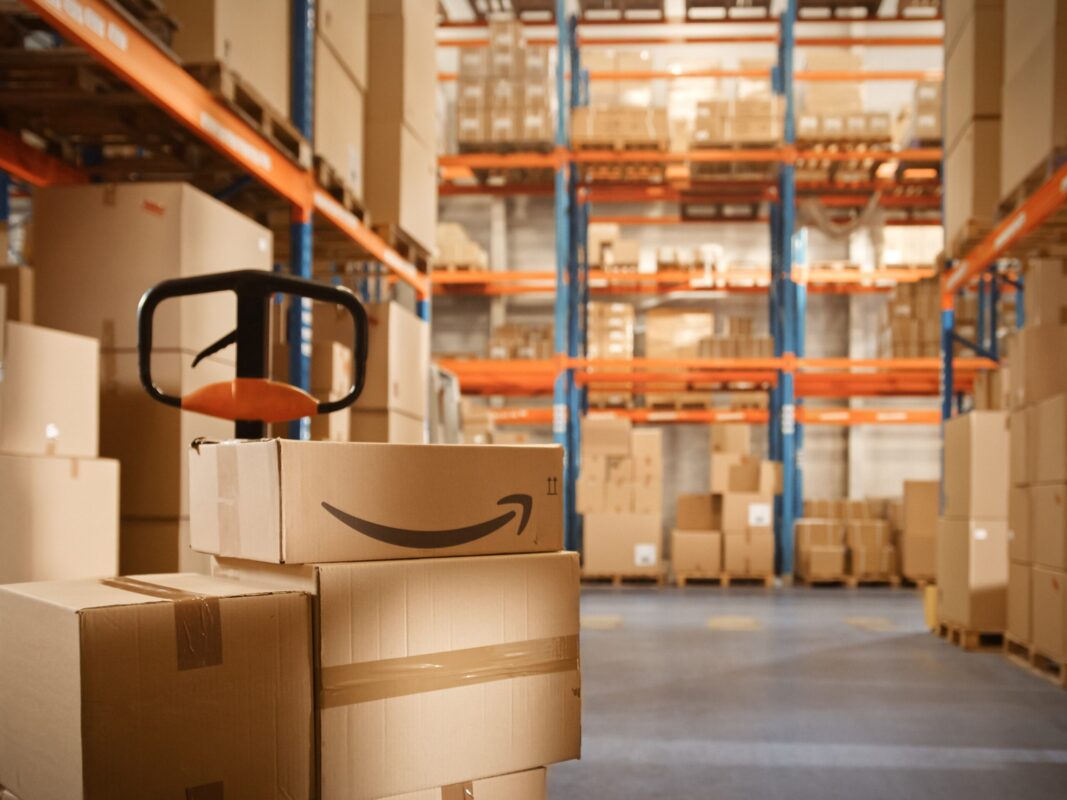
Types of Air Freight Services for FBA Shipments
FCL (Full Cargo Load)
FCL, or Full Cargo Load, refers to booking an entire aircraft for transporting your goods. This method is best suited for large volumes of goods or high-value shipments. FCL provides dedicated cargo space, lower costs per unit, and faster handling, as the shipment does not share space with others.
Best for FBA: Large shipments that need to be delivered urgently, such as bulk quantities of products like electronics or large batches of inventory for Amazon fulfillment centers.
LCL (Less than Cargo Load)
LCL is ideal for smaller shipments that do not require a full aircraft. Multiple shippers share space on the same flight, making it more cost-effective for smaller businesses or occasional shipments.
Best for FBA: Smaller volumes of goods, like shipments of apparel or books that need to be sent to multiple Amazon fulfillment centers.
Benefit: LCL reduces upfront shipping costs, especially for smaller businesses that don’t have large quantities to ship.
Charter Services
Charter services involve hiring an entire aircraft for a specific shipment, which is useful for high-priority or time-sensitive deliveries.
Best for FBA: Urgent shipments or specialized products, such as emergency stock replenishment for high-demand products in Amazon warehouses, or for seasonal products with tight deadlines.
RORO (Roll-on/Roll-off) for Air Freight
Although RORO (Roll-on/Roll-off) is typically associated with sea freight, some air carriers also provide RORO services for large or heavy equipment that needs to be loaded and unloaded quickly without extra packaging.
Best for FBA: For businesses that may need to send oversized, bulky products or machinery that do not fit into standard containers.
Specialized Freight (Temperature-Controlled, Hazardous, or Oversized Cargo)
FBA air freight services also offer specialized containers for temperature-sensitive, hazardous, or oversized cargo. These services are critical for ensuring that products like fresh food, pharmaceuticals, or dangerous goods reach Amazon fulfillment centers safely and on time.
Best for FBA: Perishable items, like fresh produce or temperature-sensitive skincare products, or hazardous materials like batteries.
Air Freight Shipping Costs for FBA from China
Cost Breakdown
Shipping Rates:
Shipping costs for air freight are largely influenced by weight, volume, and distance. For instance, a 100kg shipment from Shanghai to the U.S. typically costs between $1,500 and $3,000, depending on the type of goods being shipped and market conditions.Customs Duties and Taxes:
Customs duties vary by destination country and type of goods. For example, importing electronics into the U.S. incurs a duty of approximately 5-10% of the shipment’s declared value. When shipping to Amazon fulfillment centers, customs fees are important to account for to avoid unexpected costs.Insurance:
Insurance is essential to protect goods against damage or loss during transit. The cost of insurance typically ranges from 0.3% to 0.5% of the cargo’s value. High-value items, like electronics or medical devices, should always be insured.Handling and Logistics Fees:
These fees cover airport handling, documentation processing, and other logistical services. Fees typically range from $100 to $300 per shipment, depending on the complexity and size of the cargo.
Factors Influencing Costs
Weight and Volume:
The weight and volume of your shipment significantly affect the air freight costs. Larger and heavier shipments take up more space on the aircraft and are generally more expensive to ship.Destination Airport Fees:
Airports have different fee structures, and high-traffic international hubs, like Los Angeles International Airport (LAX), often charge higher fees for handling shipments.Seasonal Variations:
Shipping rates can increase during peak seasons, such as around holidays or Chinese New Year, when demand for air cargo capacity spikes. Air freight costs can rise by 20-30% during these periods, so businesses must plan accordingly.
Cost-Saving Tips for FBA Air Freight
Consolidating Shipments:
Combining shipments from multiple suppliers or products into one larger shipment can significantly reduce costs by lowering shipping rates and minimizing handling fees.Choosing the Right Incoterm:
Select the appropriate Incoterm (e.g., FOB or EXW) to clarify the responsibilities between buyer and seller regarding freight costs, insurance, and customs duties. Understanding Incoterms can help you avoid hidden costs and optimize the overall shipping process.Negotiating with Freight Forwarders:
Developing long-term relationships with trusted freight forwarders or negotiating rates with multiple carriers can help secure discounts, especially if you are shipping high volumes regularly. Negotiating can result in savings of 10-20% per shipment.
Air Freight Transit Times for FBA from China
Factors Affecting Transit Times
Distance to Destination:
The distance between the origin and destination airports plays a crucial role in transit times. For example, shipping to the U.S. West Coast takes less time than shipping to the East Coast.Flight Route:
Direct flights are faster than those with multiple layovers. Transit times can be impacted by the route and frequency of flights.Airline and Aircraft Type:
Larger aircraft with frequent flights may provide quicker and more reliable deliveries compared to smaller aircraft.Airport Congestion and Customs Clearance:
Busy airports, like Shanghai Pudong or Los Angeles International Airport, can cause delays due to congestion, which may impact transit time.
Average Transit Times for FBA Air Freight from China
China to North America (West Coast):
Typically 1-3 days due to shorter distances and direct flight options.China to North America (East Coast):
Takes around 2-4 days depending on the flight route, layovers, and airline efficiency.China to Europe:
Transit times range from 2-5 days, depending on the route and flight schedules.China to Middle East:
Shipments usually take 3-5 days for destinations like Dubai.China to Africa:
Transit times for Africa typically range from 5-7 days, depending on the destination and available flights.
Container Types and Sizes for FBA Air Freight
Standard Containers (ULD – Unit Load Device)
ULD: Standardized air containers used for general cargo. Common types are LD3 (1.5 to 3 cubic meters) and LD9 (4 to 5 cubic meters). Larger pallets like PMC can hold up to 10 cubic meters, depending on aircraft capacity.
Specialized Containers
Reefer Containers: Temperature-controlled containers for perishable goods like food or pharmaceuticals.
Bulk Containers: Less common in air freight, but used for bulk goods like chemicals.
Oversized Cargo: Shipments that require non-standard containers, such as large machinery or equipment, and often need special arrangements.
Pallets and Cartons
Standard Pallet Sizes:
48 x 40 inches (USA)
1200 x 1000 mm (Europe)
Packaging Guidelines:
Ensure packaging is sturdy enough to handle the rigors of air freight. Cartons should be sized to prevent shifting during transit, and cushioning materials like foam or bubble wrap can protect goods.
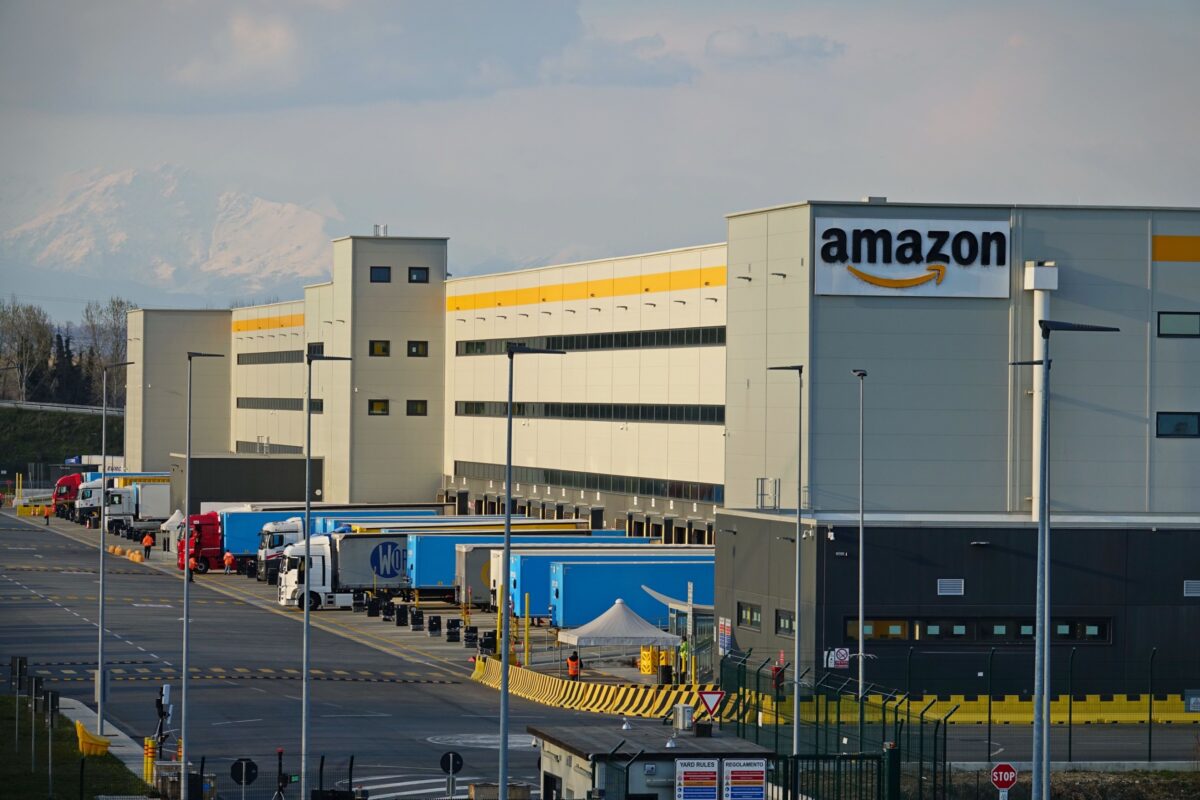
Common Incoterms in FBA Air Freight
EXW (Ex Works)
Seller’s Responsibility: The seller’s responsibility ends when the goods are made available at their premises (warehouse, factory, etc.).
Buyer’s Responsibility: The buyer handles all costs and risks associated with transporting the goods from the seller’s premises to the Amazon fulfillment center, including customs clearance, air freight, and last-mile delivery.
When to Use: EXW is suitable for buyers who have established logistics capabilities for FBA shipments and can handle customs clearance and transportation to Amazon fulfillment centers independently.
FCA (Free Carrier)
Seller’s Responsibility: The seller delivers goods to a carrier (e.g., a freight forwarder or airport warehouse). The risk transfers to the buyer once the carrier takes possession of the goods.
Buyer’s Responsibility: The buyer is responsible for arranging the air freight, customs clearance, and final delivery to the Amazon fulfillment center.
When to Use: FCA is ideal for FBA shipments where the buyer wants flexibility in choosing their preferred carrier or freight forwarder to handle air transport and delivery to Amazon’s warehouse.
CPT (Carriage Paid To)
Seller’s Responsibility: The seller pays for the air freight to transport the goods to the designated destination airport (e.g., nearest Amazon warehouse).
Buyer’s Responsibility: The buyer assumes the risk once the goods are handed over to the carrier. The buyer is also responsible for handling customs clearance, insurance, and last-mile delivery.
When to Use: CPT is useful for FBA shipments where the buyer prefers to arrange their own cargo insurance but the seller handles the air freight cost to the airport closest to the Amazon warehouse.
CIP (Carriage and Insurance Paid To)
Seller’s Responsibility: The seller pays for both the air freight and cargo insurance to the destination airport.
Buyer’s Responsibility: The buyer assumes risk once the goods are handed over to the carrier and is responsible for customs clearance and final delivery to the Amazon fulfillment center.
When to Use: CIP is popular for FBA shipments involving high-value or fragile goods, such as electronics or premium items, as it ensures the seller covers basic cargo insurance during transit.
DAP (Delivered at Place)
Seller’s Responsibility: The seller is responsible for transporting the goods to the designated Amazon fulfillment center or warehouse, bearing all risks and costs associated with transportation (excluding import duties).
Buyer’s Responsibility: The buyer is responsible for handling import clearance and paying the applicable duties upon arrival at the Amazon fulfillment center.
When to Use: DAP is ideal for FBA sellers who want to streamline their logistics and leave the delivery process to the seller. The seller manages the entire transport process until the goods reach the Amazon warehouse, while the buyer handles import duties.
Choosing the Right Incoterm for FBA
Risk and Cost Distribution
Choosing the correct Incoterm is crucial for managing costs and risks effectively in FBA air freight. Incoterms define who bears the responsibility for air freight costs, cargo insurance, customs duties, and where the risk transfers between the seller and buyer.
For example, EXW places the burden on the buyer to handle transportation and risk from the seller’s premises to the Amazon warehouse, while DAP shifts the transportation and risk management to the seller until the goods arrive at the buyer’s fulfillment center.
Responsibilities of Buyer and Seller
Each Incoterm clearly outlines the responsibilities of both parties. For instance, under CIP, the seller covers the air freight and cargo insurance, while the buyer handles customs clearance and delivery to the final destination. Ensuring that both parties understand their obligations helps prevent delays or misunderstandings.
Overview of Common FBA Incoterms
| Incoterm | Seller’s Key Responsibilities | Buyer’s Key Responsibilities | Risk Transfer Point | Ideal FBA Scenario |
|---|---|---|---|---|
| EXW | Make goods available at seller’s premises | Handle all transport, customs clearance, costs, and risks to the Amazon warehouse | When goods are made available to the buyer at the seller’s premises | Buyers with established FBA logistics capabilities |
| FCA | Deliver goods to the designated carrier (e.g., freight forwarder’s warehouse) | Arrange air freight, customs clearance, last-mile transport, and associated costs | When goods are handed over to the carrier | FBA sellers who want flexibility in coordinating air freight |
| CPT | Pay for air freight to the destination airport | Arrange insurance, transport after destination, customs clearance | When goods are handed over to the carrier | FBA shipments where the buyer prefers to arrange their own cargo insurance |
| CIP | Pay for air freight and arrange basic cargo insurance | Handle transport after destination, customs clearance, and associated costs | When goods are handed over to the carrier | Air shipments of high-value or fragile goods (electronics, pharmaceuticals) |
| DAP | Transport goods to the buyer’s Amazon warehouse and bear all risks (excluding import duties) | Handle import customs clearance and pay applicable duties | When goods are made available at the buyer’s Amazon warehouse | Transactions where the buyer prefers a streamlined logistics process |
Choosing a Reliable FBA Air Freight Forwarder
Key Considerations
Experience and Reputation
When selecting an air freight forwarder for FBA, their experience and reputation are crucial. An experienced forwarder understands the nuances of Amazon FBA logistics, including specific packaging requirements, labeling, and timely delivery to Amazon fulfillment centers. Look for forwarders with positive reviews and a proven track record in managing FBA shipments.Network and Partnerships
A reliable air freight forwarder should have a strong network with airlines and Amazon fulfillment centers worldwide. This helps secure competitive rates, stable cargo space, and efficient transit times, ensuring your FBA shipments reach Amazon warehouses on time.Customer Service and Support
Efficient customer service is essential for ensuring your air freight shipment is handled smoothly. Choose a forwarder who provides responsive communication, real-time tracking, and dedicated account managers to resolve issues quickly. A 24/7 support team is particularly important for urgent FBA shipments that need quick resolution.
Top FBA Air Freight Forwarders in China
China hosts several top-tier FBA air freight forwarders renowned for their efficiency, reliability, and extensive global networks. Here are some of the top providers:
Huazong Logistics: One of China’s largest logistics companies, offering comprehensive air freight services, including FBA-specific solutions, customs clearance, and warehousing.
DHL Global Forwarding: Known for its global reach and reliable FBA shipping services, DHL provides fast transit times, extensive customer support, and competitive rates.
Kuehne + Nagel: A global leader in logistics, Kuehne + Nagel offers tailored FBA solutions, including air freight, packaging, and delivery to Amazon warehouses.
FedEx Supply Chain: FedEx offers end-to-end FBA logistics, from pickup to delivery at Amazon fulfillment centers. Known for its expertise in air freight and global operations, FedEx is a trusted partner for Amazon sellers.
Documentation and Compliance for FBA Shipments
Essential Documents
Air Waybill (AWB):
The Air Waybill is a vital document in air freight, acting as a receipt and contract between the shipper and airline. It must be correctly filled out to prevent delays in customs clearance at Amazon fulfillment centers.Commercial Invoice:
The Commercial Invoice provides detailed information about the goods, including their value, description, and shipping details. Amazon uses this document to verify duties and taxes, so accuracy is crucial.Packing List:
The Packing List outlines the contents of the shipment, including the number of boxes, weight, and dimensions. It’s essential for verifying that all items are accounted for during FBA inventory check-ins.Certificate of Origin:
This document certifies the country of origin for the goods. It helps Amazon fulfill the necessary import procedures and may be required to reduce tariffs under trade agreements.
Compliance with International Trade Regulations for FBA
Import/Export Regulations:
Ensuring compliance with import/export regulations for FBA shipments is crucial. This includes meeting product standards, labeling requirements, and obtaining necessary import licenses for goods entering Amazon fulfillment centers.Sanctions and Trade Restrictions:
Stay informed about sanctions and trade restrictions. Certain goods may be restricted or subject to additional scrutiny at customs, so it’s essential to ensure that your shipment adheres to all relevant regulations.


