




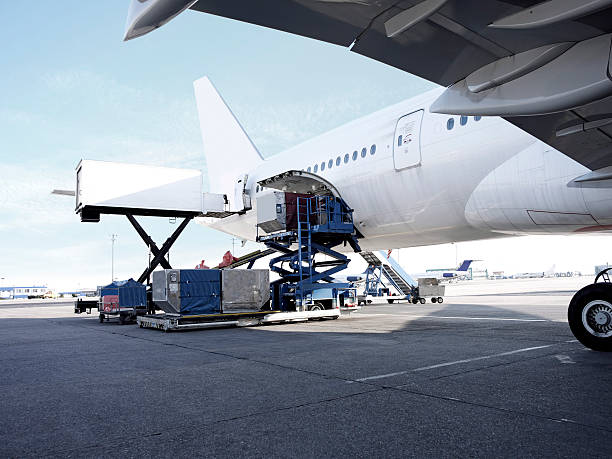
Navigating the complex world of international logistics presents massive hurdles for consumer hardware brands today. Managing bulk shipments of high-capacity power banks stands out as a particularly difficult challenge. Because lithium-ion batteries contain highly concentrated chemical energy, global aviation authorities classify them as dangerous goods. A simple packaging oversight can trigger thermal runaway inside an airplane cargo hold mid-flight. Consequently, generic freight forwarders often refuse to touch these sensitive power products altogether.
Fortunately, specialized logistical providers offer a secure, highly structured path to global markets. Partnering with a certified electronics air freight service ensures your battery products travel safely and legally. These niche carriers utilize advanced temperature-controlled environments and strict UN-tested packaging configurations. This comprehensive approach eliminates transit risks while keeping your supply chain moving across borders smoothly. Let us look at the technical protocols that make global battery air transport possible.
The Hazardous Classification of Lithium Battery Cargo
Understanding international aviation laws helps you avoid costly customs delays and severe regulatory fines. The International Air Transport Association (IATA) updates these strict safety frameworks every single year.
Distinguishing Watt-Hour Thresholds for Air Cargo
Aviation authorities look at the specific watt-hour (Wh) rating of your battery cells first. Power banks under 100 Wh face fewer transport restrictions on commercial planes. However, high-capacity industrial units exceeding this limit require strict Dangerous Goods (DG) handling protocols. You must declare these larger energy packs as fully regulated Class 9 hazardous materials.
The Real Danger of Thermal Runaway Currents
Thermal runaway happens when an internal short circuit generates intense, self-sustaining heat. This structural defect can cause a battery cell to catch fire or explode violently. Because cargo planes fly at high altitudes, suppressing a chemical fire becomes incredibly difficult. Therefore, a dedicated electronics air freight service enforces strict preventative measures before the cargo ever boards an aircraft.

Strict Packaging Protocols for International Battery Transit
Securing lithium cells requires moving beyond standard cardboard boxes and basic packing tape. Your logistics team must implement multi-layered physical barriers to pass rigorous airport customs inspections.
-
Individual Cell Isolation: Every power bank must sit inside its own non-conductive plastic bag.
-
UN-Certified Outer Boxes: Shipments require heavy-duty corrugated cartons that pass rigorous drop tests.
-
State of Charge Limits: Regulations mandate charging cells to a maximum of 30% capacity before flight.
-
Clear Hazardous Labeling: Packages must display official Class 9 lithium battery handling stickers prominently.
Adhering to these strict material handling rules prevents short circuits caused by shifting cargo boxes. It protects your premium electronic assets from accidental physical damage during turbulent border crossings.
Regulatory Paperwork Demanded by International Customs
Filing the correct technical documentation prevents foreign airport authorities from impounding your expensive electronics inventory.
Securing Valid UN38.3 Test Summary Reports
You cannot book space on a cargo plane without providing a valid UN38.3 test certificate. This official document proves your power banks survived intense thermal, vibration, and impact testing in a laboratory. Specialized electronics logistics providers verify these manufacturing test summaries before accepting your cargo pallet.
Completing the Dangerous Goods Declaration Form
The Shipper’s Declaration for Dangerous Goods is a legally binding document that details your exact cargo parameters. It lists the precise UN number, proper shipping name, and total net weight of your batteries. A certified electronics air freight service employs dedicated dangerous goods safety advisers to fill out this complex paperwork flawlessly.
Standard Air Freight vs. Specialized Electronics Cargo
| Logistical Parameter | Standard Commercial Air Freight | Dedicated Electronics Air Freight Service |
| Lithium Class 9 Handling | Often rejected due to airline limits | Fully certified for dangerous goods cargo |
| Cargo Hold Climate Controls | Standard ventilation with no heat tracking | Continuous temperature and pressure monitoring |
| Customs Clearance Speed | Prone to delays from paperwork errors | Accelerated clearance via pre-vetted carrier networks |
| Emergency Response Readiness | Basic fire extinguishers on board | Advanced specialized lithium fire suppression gear |
| Supply Chain Visibility | Fragmented milestones at major hubs | Real-time sensor tracking at the pallet level |

Advanced Climate and Pressure Control Inside Cargo Holds
Environmental shifts during flight can trigger dangerous chemical reactions inside high-capacity lithium cells.
Eliminating Dangerous Pressure Drops
Rapid drops in cargo hold air pressure can cause fragile battery cells to swell up and crack. Premium electronics air carriers utilize specialized pressurized main-deck cargo planes for battery pallets. Maintaining stable atmospheric pressure protects the internal seal integrity of your power banks.
Monitoring Ambient Temperatures Dynamically
Excessive ambient heat accelerates chemical degradation inside lithium-ion battery matrices. Specialized flights feature active climate control systems that keep the cargo deck below 25°C. Furthermore, digital sensors track ambient temperatures in real-time, alerting pilots to unusual heat spikes instantly.
The Strategic Importance of Real-Time Pallet Tracking
Losing visibility of a high-value electronics shipment causes massive supply chain headaches for consumer brands.
Deploying Smart IoT Sensor Arrays
Modern electronics logistics companies embed smart tracking devices directly into your shipping pallets. These cellular and satellite sensors log continuous data regarding location, orientation, and local shock impacts. You can monitor the exact physical condition of your power banks through a cloud dashboard.
Preventing High-Value Cargo Theft at Hubs
Electronic components remain prime targets for organized cargo theft rings at busy transit airports. Dedicated freight services utilize secure, restricted-access cages to store your goods during customs layovers. This tight security infrastructure ensures your valuable inventory arrives intact at its final destination.
Avoiding Common Mistakes in Battery Logistics
Avoiding basic logistical blunders keeps your global distribution network running efficiently without unexpected costs.
-
Mixing Battery Types: Packing loose lithium cells alongside metallic items invites disastrous short circuits.
-
Using Counterfeit Cells: Shipping unbranded, non-certified power banks violates international aviation laws.
-
Ignoring Weight Limits: Exceeding maximum passenger plane cargo weights triggers immediate customs rejection.
-
Skimping on Cushioning: Using cheap foam allows power banks to slam together inside the box.
Training your warehouse staff on correct packing methods protects your corporate reputation. It ensures your shipments pass initial airport safety audits on the very first try.
Partner with Certified Logistics Experts
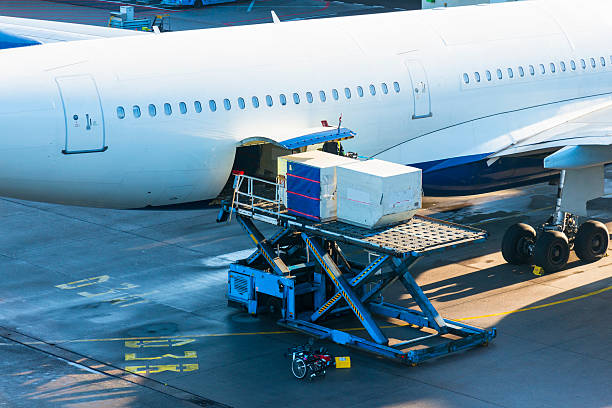
Shipping high-capacity power banks globally requires strict adherence to international safety laws. You cannot afford to risk inventory losses by using generic, uncertified shipping companies. Transitioning to a certified electronics air freight service solves your international regulatory puzzles completely. It provides the specialized packaging, paperwork accuracy, and climate control your battery cargo demands.
Stop letting complex aviation laws stall your global product launches this season. Invest in professional logistics partnerships that secure your supply chain boundaries safely. You will experience faster customs clearances, safer transit cycles, and total operational peace of mind. Upgrade your international shipping infrastructure today to dominate the global consumer electronics market tomorrow.


