




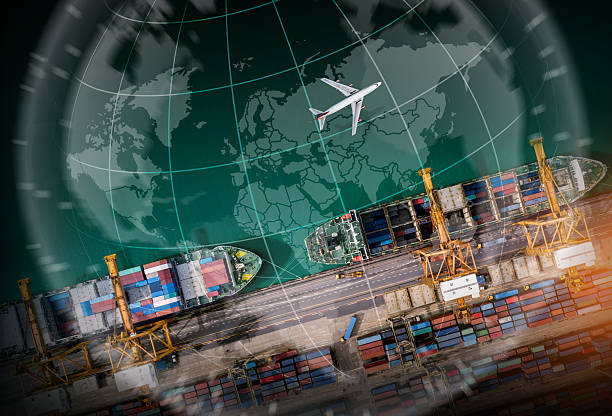
Managing international supply chains requires a seamless connection between cross-ocean journeys and domestic delivery networks. Many manufacturing executives mistakenly believe that arriving at a deep-water seaport marks the end of logistical friction. However, moving heavy machinery from coastal docks through interior land borders introduces massive operational challenges. If you use unoptimized transport strategies, your commercial truck fleets will stall at international boundary crossings. These border delays quickly generate costly port demurrage fees and disrupt your local production schedules.
Fortunately, implementing a synchronized intermodal transport framework completely eliminates these frustrating bottlenecks at border control stations. Top-tier logistical providers like Excellent Logistics Provider integrate real-time tracking with proactive customs documentation management. This comprehensive coordination ensures that your heavy project freight slides through complex checkpoints without unexpected inspections. Let us look at the structural mechanics that keep supply chains moving through large cargo global logistics pipelines.
The Strategic Foundation of Cross-Border Inland Haulage
To understand how heavy freight moves across nations, we must examine the core structure of inland logistics. This phase requires balancing strict legal compliance with physical truck fleet dispatching.
Synchronizing Maritime Deliveries with Trucking Networks
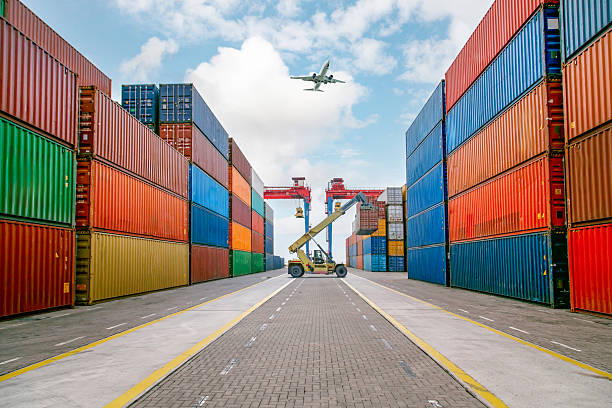
The logistics loop begins long before an ocean vessel docks at a busy marine container terminal. Your freight forwarder must align the arrival time with available heavy-haul trucking equipment in the area. If a specialized multi-axle trailer is not waiting on site, the cargo incurs massive port storage fines. Therefore, dispatchers coordinate these schedules down to the exact hour to maintain a continuous fluid movement.
Navigating Sovereign Legal and Customs Frameworks
Every country maintains its own distinct set of import regulations, safety standards, and environmental protection laws. Passing from one jurisdiction to another requires satisfying these diverse legal mandates simultaneously at the border. Consequently, truck drivers cannot simply drive across an international boundary line without official government clearance stamps. A tiny clerical error on a single customs sheet can impound a valuable trailer fleet for weeks.
Overcoming Physical Bottlenecks at Customs Checkpoints
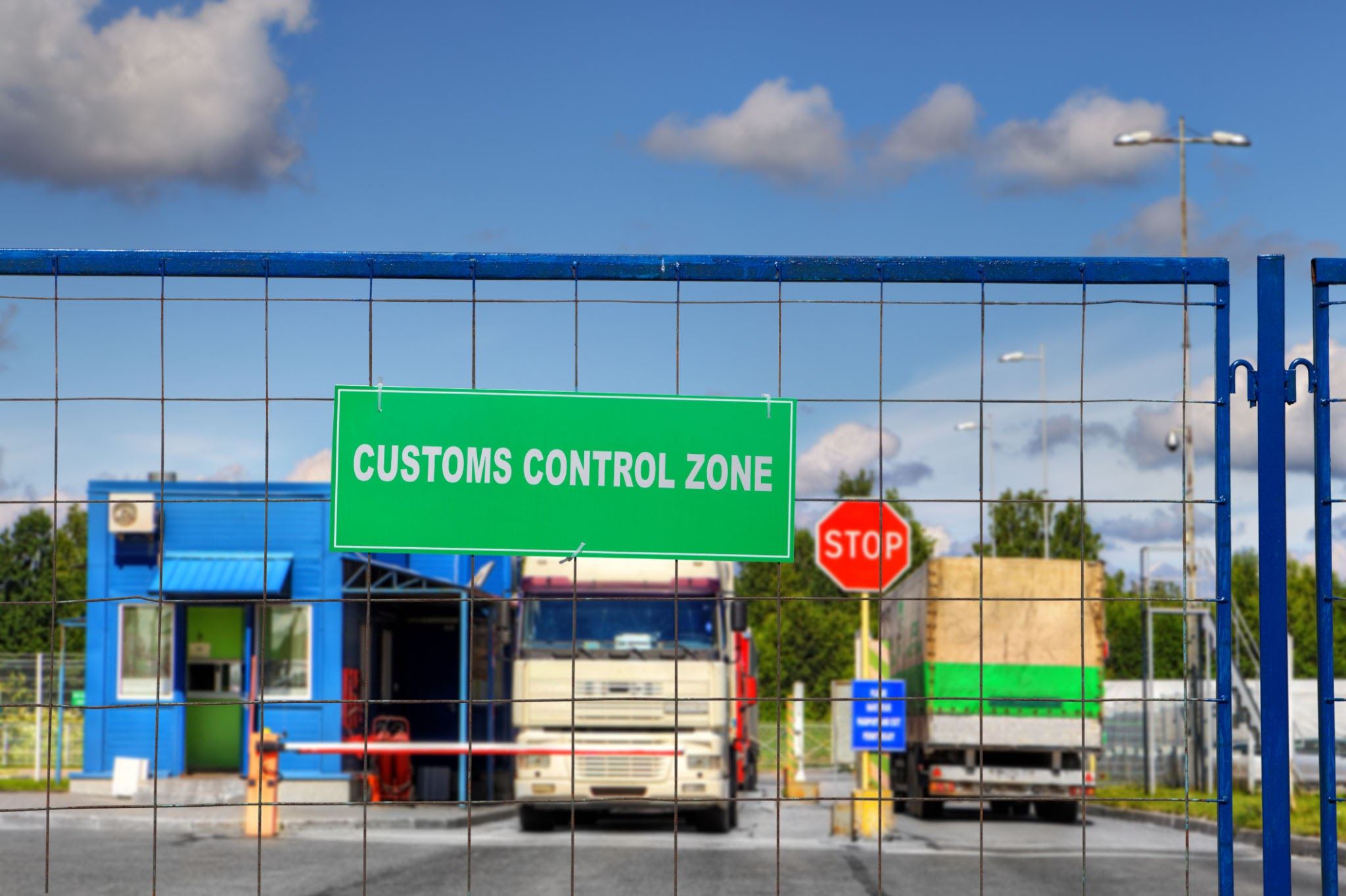
Clearing a sovereign land border requires much more than simply showing a basic driver identification card. Your transport partner must execute a highly choreographed sequence to keep the supply chain moving forward.
Utilizing Pre-Clearance Digital Documentation Systems
Waiting until a truck reaches the physical border gate to submit paperwork guarantees severe traffic delays. Modern freight operators utilize electronic data interchange networks to file customs declarations while the truck is rolling. This proactive step allows border agents to audit the cargo manifest during transit through the interior corridor. As a result, the truck often receives an immediate green light to pass the gate upon physical arrival.
Managing Bonded Transit Corridors Safely
Sometimes your final delivery destination lies deep inside a third nation, requiring travel through multiple transit countries. To avoid paying redundant import duties at every single border, logistics experts utilize secure bonded shipping corridors. The carrier seals the cargo container at the origin point using official customs-approved high-security locking mechanisms. This bond guarantees to transit governments that the goods will not enter their local retail markets illegally.
-
Pre-Filed Digital Manifests: Electronic customs filings accelerate border entry approvals by over seventy percent.
-
Tamper-Evident Bolt Seals: High-security mechanical locks prevent illegal cargo access during remote overland transit.
-
Authorized Economic Operator Status: Pre-vetted logistics firms enjoy expedited processing through priority customs lanes.
-
Local Broker Networks: On-site customs specialists handle sudden regulatory inquiries directly at the physical checkpoint.
The Crucial Role of Advanced Fleet Telematics
Maintaining absolute visibility over your heavy cargo prevents costly communication gaps during long cross-border journeys.
Deploying Multi-Network GPS Tracking Units
Standard cellular tracking devices frequently lose their data connections when trucks enter remote mountain border passes. To solve this problem, Professional Logistics Provider equips its long-haul fleets with hybrid cellular and satellite tracking units. These rugged sensors broadcast continuous location updates regardless of local terrain or weather conditions. Your management team can monitor transit milestones in real-time through an online corporate supply chain dashboard.
Monitoring Cargo Security and Sensor Data
Advanced telematics hardware tracks much more than just the basic geographical coordinates of your delivery vehicles. Specialized door sensors alert security teams instantly if an unauthorized person attempts to open the container locks. Furthermore, internal shock sensors record any excessive physical impacts caused by poorly maintained interior dirt roads. This data protects your company against fraudulent cargo damage claims during multi-jurisdictional handoffs.
Infrastructure Matching: Adapting to Changing Road Laws
Every country enforces its own unique set of physical engineering limits for commercial vehicles traveling on highways. Your transport provider must adapt to these shifting structural rules to avoid heavy safety fines.
Managing Maximum Axle Weight Allowances
A truck configuration that is perfectly legal in one country may violate weight laws across the border. For instance, neighboring nations often maintain completely different limits regarding maximum allowed weight per trailer axle. Therefore, logistics planners must design complex cargo weight distribution patterns before the journey begins. If necessary, crews will adjust the physical spacing of sliding trailer tandems at the border line.
Coordinating Mandatory Escort Vehicles and Permits
Super-heavy industrial components often exceed the standard physical lane width dimensions of public highway networks. Moving these massive loads requires securing special oversized cargo permits from regional transport ministries. Furthermore, state laws frequently mandate hiring official police or private pilot cars to escort the truck safely. These helper vehicles warn oncoming civilian traffic and guide the massive trailer through tight roundabout intersections.
Mitigating Risk: Managing Sudden Political and Weather Disruptions
Overland transportation remains highly vulnerable to sudden environmental changes and unexpected shifts in regional trade policies.
Developing Dynamic Route Diversion Blueprints
Heavy seasonal rainstorms can wash out critical river bridges along remote interior transportation corridors without warning. When a primary highway closes, dispatchers must activate pre-planned detour routes instantly to keep cargo moving. Experienced supply chain managers map alternative border crossings that feature equivalent heavy-scale lifting infrastructure. This backup planning prevents your cargo from getting trapped in miles of stationary highway gridlock.
Establishing Secure Secure Staging Yards
If a sudden labor strike shuts down a border checkpoint, drivers need a safe place to wait. Professional logistics corporations maintain private, fenced staging yards located just outside major international boundary zones. These depots feature round-the-clock security guards, video monitoring systems, and comfortable rest facilities for the drivers. Storing your assets in a controlled compound protects your valuable inventory from opportunistic cargo thieves.
The Financial Benefits of Consolidated Inland Logistics
Choosing a single, unified provider to handle both ocean freight and inland haulage saves substantial capital.
Eliminating Fragmented Third-Party Markup Costs
Many businesses hire separate companies to manage ocean shipping, customs brokerage, and domestic flatbed trucking. This fragmented approach forces you to pay multiple separate management fees and coordinate complex corporate handoffs. Bundling these individual steps under one experienced provider like Huazong Logistics lowers your total transaction expenses. You receive a single, transparent invoice that covers the entire journey from factory floor to final destination.
Reducing Costly Container Detention Penalties
Ocean carriers penalize shippers heavily if they fail to return empty ocean containers within a strict timeframe. If your inland trucking company stalls at a border crossing, these daily detention fines accumulate rapidly. A fully integrated logistics network coordinates the return journey of empty chassis with precision timing. This seamless operational loop ensures you never pay a single penny in avoidable steamship line penalties.
Build a Resilient Overland Supply Chain
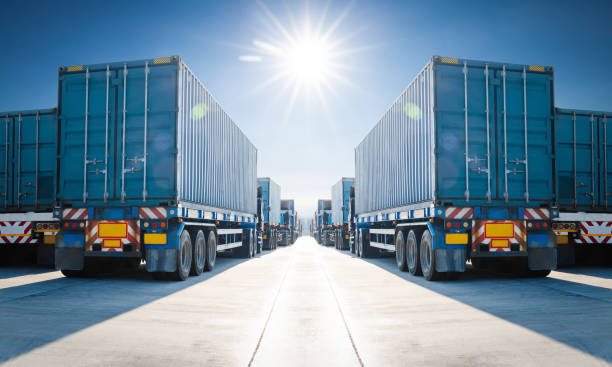
Failing to properly coordinate inland haulage leads to guaranteed supply chain failure across complex international borders. You cannot build a dependable global distribution network while ignoring the bureaucratic realities of land checkpoints. Partnering with a field-proven provider like Huazong Logistics safeguards your business from unexpected transit delays. They provide the automated documentation, fleet visibility, and regulatory expertise your industrial freight demands.
Stop letting border bottlenecks and confusing customs paperwork drain your corporate logistics budget this season. Invest in comprehensive, end-to-end transport strategies that keep your delivery trucks moving smoothly across borders. You will experience faster project turnaround times, lower operating costs, and total supply chain control. Upgrade your international inland haulage infrastructure today to dominate your target global markets tomorrow.


