




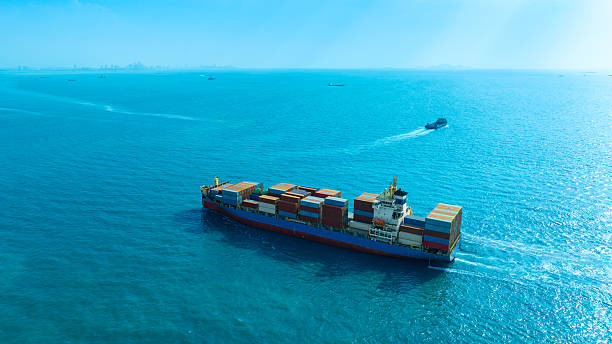
Global supply chains face severe maritime disruptions today. Shippers encounter unexpected port congestion and weather bottlenecks constantly. Consequently, logistics managers rely heavily on advanced digital solutions. Utilizing real-time sea freight tracking optimizes maritime container shipping workflows. This innovative ocean cargo visibility enhances global logistics performance significantly.
Furthermore, end-to-end container monitoring maintains strict dangerous goods compliance like IMO hazardous cargo rules. Therefore, professional international freight forwarding companies deliver crucial visibility tools. To examine specialized digital monitoring solutions, you can explore our freight tracking services category for detailed platform integration features.

Maritime Supply Chain Bottlenecks
Frequent Port Rollovers and Unpredicted Blank Sailings
Container ships face severe port congestion worldwide routinely. Ocean carriers frequently roll cargo without notifying shippers early. Consequently, delayed container arrivals disrupt downstream manufacturing schedules severely. Missing departure windows causes catastrophic stockouts across retail networks. Furthermore, unpredicted blank sailings stall critical global inventory flows.
Excessive Demurrage Charges from Port Dwell Time
Containers often sit idle at port terminals unnecessarily. Importers lack real-time container status updates during discharge. As a result, companies incur astronomical demurrage and detention fees. Traditional tracking methods fail to alert dispatchers promptly. Accumulating terminal penalty charges drains operational profit margins rapidly.
Cargo Damage from Unmonitored Container Environments
Sensitve ocean shipments suffer environmental risks during long voyages. High humidity levels inside closed containers cause severe mold. Furthermore, rough sea conditions inflict unseen physical shock damage. Traditional milestone tracking fails to monitor interior cargo conditions. Unchecked environmental changes lead to expensive product loss write-offs. You can read our maritime cargo visibility technical guide to prevent transit damage.
Technical Solutions for High-Efficiency Ocean Freight
IoT-Powered Smart Container Telemetry Systems
Modern sea freight tracking utilizes advanced satellite IoT sensors. Devices mount directly onto marine containers before port departure. These devices transmit real-time GPS locations and environmental metrics. Consequently, logistics teams monitor internal temperature, humidity, and shock.
Furthermore, cellular networks transmit telemetry data continuously near shores. Immediate environmental visibility prevents cargo spoilages during ocean transit.
Predictive AI Route Optimization and ETA Analytics
Tracking platforms integrate artificial intelligence with historical AIS maritime data. Algorithms analyze vessel speeds, weather patterns, and port congestion. Consequently, predictive software calculates accurate estimated times of arrival.
Logistics teams adjust truck drayage schedules proactively before landing. Lower waiting times reduce overall container dwell times at terminals. Thus, automated dispatching lowers costly demurrage charges for importers.
API Automated Documentation and Customs Integration
Leading international freight forwarding companies integrate tracking platforms with customs databases. Automated APIs transfer bill of lading data directly to authorities. Systems transmit digital manifests while vessels remain at sea.
As a result, customs officials clear incoming containers before ship berthing. Instant customs release accelerates container terminal exit procedures. This seamless data exchange eliminates administrative supply chain bottlenecks entirely.

Tracking Technology Performance Parameters
The table below highlights key functional differences across ocean tracking technologies:
| Monitoring Parameter | Manual Carrier Portals | Standard AIS Vessel Tracking | Smart IoT Telemetry |
| Data Update Frequency | Manual / 24-48 Hours | Hourly Satellite Updates | Real-Time Continuous |
| Interior Condition Sensing | Not Available | Not Available | Temp, Humidity, Shock, Light |
| Predictive ETA Accuracy | Low (Static Carrier Estimates) | Medium (Vessel Speed Based) | High (AI & Weather Integrated) |
| Automated Exception Alerts | No | Basic Milestone Only | Instant SMS / Email / API |
| Demurrage Risk Mitigation | Reactive / Poor | Moderate | Proactive / Automated |
| Customs API Connectivity | Manual Data Entry | Limited | Fully Integrated EDI / API |
Operational Best Practices for Forwarders
Implementing Proactive Exception Handling Controls
Forwarders establish dedicated digital control towers to monitor shipments. Automated tracking platforms flag route deviations and delayed vessel feeder connections.
Consequently, logistics managers re-route inland transport vectors immediately upon alerts. Proactive intervention prevents minor maritime delays from escalating into major disruptions. Furthermore, automated notifications keep end customers fully informed throughout transit.
Optimizing Drayage Fleet Dispatch Coordination
Advanced tracking data feeds directly into local trucking dispatch platforms. Fleet managers schedule container pickups based on live vessel discharge events.
Consequently, drayage drivers enter port terminals right when containers land. Direct pickup schedules reduce expensive waiting times for truck drivers. Efficient last-mile transfers accelerate overall cargo velocity from port to warehouse.

Q&A
How does sea freight tracking reduce demurrage and detention fees?
Tracking platforms provide real-time alerts when containers land at terminals. Immediate visibility allows dispatchers to schedule prompt pickups, avoiding costly terminal delays.
What is the difference between AIS tracking and smart IoT container tracking?
AIS tracking monitors vessel positions via marine radio signals. Smart IoT tracking monitors specific container coordinates, temperature, humidity, and door-opening events internally.
Can predictive tracking systems integrate with existing ERP platforms?
Yes, modern tracking platforms connect seamlessly via standardized API endpoints. They feed real-time shipment updates directly into enterprise software automatically.
How do tracking systems improve customs clearance times for ocean cargo?
Tracking platforms transmit digital shipment manifests to customs while cargo travels. Pre-arrival data entry enables instant customs release upon vessel docking.
Is real-time tracking cost-effective for standard dry container shipments?
Yes, preventing single delayed shipments or demurrage penalties offsets tracking costs. Improved efficiency protects customer relationships and streamlines supply chain operations.


