




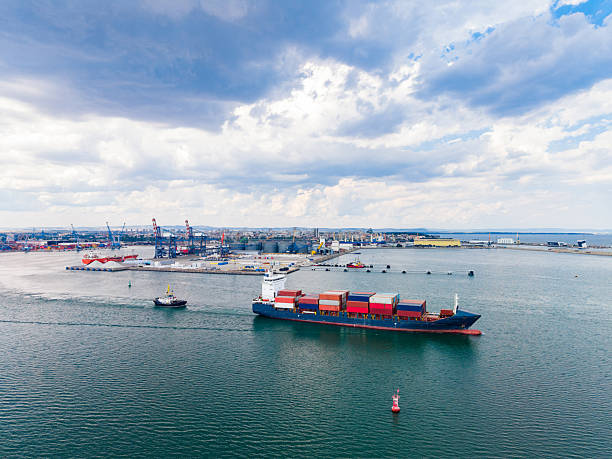
Global online retailers face complex supply chain demands today. Sellers rapidly expand sales across international digital marketplaces. Consequently, businesses rely on international freight forwarding companies for success. These logistics managers streamline global cargo movement efficiently.
Furthermore, expert logistics coordination accelerates cross-border trade flow significantly. Proper customs clearance ensures duty compliance like IOSS registration across foreign markets. Therefore, strategic freight partners optimize every e-commerce delivery stage. To explore specialized logistics options, you can explore our e-commerce freight services category for customized shipping models.
E-Commerce Logistics Bottlenecks
Frequent Border Delays and Customs Seizures
Online merchants face severe customs clearance delays routinely. Inaccurate duty declarations trigger immediate parcel holds at destination ports. Consequently, customers abandon purchases due to unexpected tax fees. Missing tax identification numbers halts cross-border package delivery completely. Furthermore, regulatory holds damage brand reputation across competitive global markets.
Escalating Freight Expenses for Small Packages
Shipping individual consumer parcels internationally creates unsustainable transport expenses. Small e-commerce sellers lack volume leverage with commercial parcel carriers. As a result, high shipping fees compress profit margins severely. Traditional shipping routes fail to optimize small parcel delivery costs. Unintegrated logistics networks reduce overall business scalability over time.
Complex Multi-Channel Overseas Return Logistics
Handling cross-border product returns poses massive operational challenges for merchants. Returning individual defective items overseas incurs astronomical transport expenses. Consequently, merchants lose significant capital on unsold inventory write-offs. Unorganized reverse logistics channels delay product restocking cycles drastically.

Technical Solutions for E-Commerce Expansion
Automated API Customs Data Pre-Clearance
Modern international freight forwarding companies integrate API software directly into sales platforms. Merchants transmit order manifest data instantly during checkout. Automated systems verify product tariff codes before flight departures. Consequently, customs authorities clear incoming parcels electronically in transit.
Furthermore, pre-cleared parcels move immediately onto local delivery trucks upon airport arrival. Real-time digital data flow eliminates border bottlenecks entirely.
Global Bulk Consolidation Networks
Logistics providers aggregate parcels from multiple online merchants into bulk consolidated cargo. Forwarders book dedicated airline space using combined merchant freight volumes.
Consequently, individual sellers gain access to wholesale cargo rates. Lower transport expenses reduce per-unit shipping costs for e-commerce brands. Thus, merchants maintain competitive pricing models across international marketplaces.
Integrated Overseas Warehouse Fulfillment Hubs
Top logistics companies operate strategic fulfillment centers inside major destination markets. Forwarders transfer bulk ocean or air shipments to local warehouses before sales occur.
As a result, regional hubs pick, pack, and ship orders within 24 hours. Local last-mile carriers complete doorstep delivery quickly. This localized strategy drastically cuts transit times for global buyers.

Logistics Service and Performance Parameters
The table below compares key logistics channels for cross-border e-commerce growth:
| Logistics Parameter | Direct Postal Mail | Express Courier Services | Forwarder Line-Haul Solution |
| Transit Speed (Global) | 10 – 20 Days | 2 – 4 Days | 4 – 7 Days |
| Average Unit Shipping Cost | Very Low | Extremely High | Balanced / Cost-Effective |
| Customs Pre-Clearance | Limited / Manual | Automated System | Integrated API System |
| Bulk Freight Consolidation | Not Available | Limited | Core Operational Feature |
| Reverse Logistics (Returns) | Slow / Un-tracked | Expensive Express Return | Overseas Hub Consolidation |
| Real-Time Tracking Visibility | Basic Milestones | Door-to-Door GPS | Integrated API Tracking |
Operational Best Practices for Forwarders
Streamlining Last-Mile Courier Integration
Forwarders partner directly with top national postal and courier networks worldwide. They inject consolidated shipments directly into local postal sorting hubs.
Consequently, packages bypass slow regional sorting centers entirely upon arrival. This direct injection method speeds up final delivery to consumer doorsteps. Furthermore, buyers receive accurate local tracking numbers automatically for complete visibility.
Scalable Peak Season Capacity Management
Holiday shopping spikes create massive transportation bottlenecks during Q4 sales periods. Experienced forwarders secure guaranteed air charter capacity months in advance.
Consequently, e-commerce sellers avoid severe peak season shipping delays. Flexible space allocations protect merchants from unexpected rate spikes during high demand. Reliable capacity preserves customer satisfaction during critical sales events.

Q&A
How do freight forwarders reduce cross-border shipping costs for e-commerce?
Forwarders consolidate small packages from multiple sellers into bulk cargo. This strategy secures wholesale freight rates, lowering individual shipment costs significantly.
What is the role of API integration in e-commerce logistics?
API systems connect merchant online stores directly with freight logistics platforms. They automate order data transmission, customs documentation, and tracking updates seamlessly.
How do international forwarders handle product returns for online sellers?
Forwarders collect returned items at local overseas fulfillment warehouses. They inspect, re-label, and consolidate returned stock for efficient bulk return transport.
Why is customs pre-clearance vital for cross-border e-commerce?
Customs pre-clearance submits parcel manifest data electronically while cargo travels. It allows immediate package release upon landing, preventing destination port delays.
Can freight forwarders manage Amazon FBA inventory shipments?
Yes, forwarders specialize in Amazon FBA prep and transport services. They ensure strict labeling, palletization, and appointment scheduling compliance for FBA warehouses.