



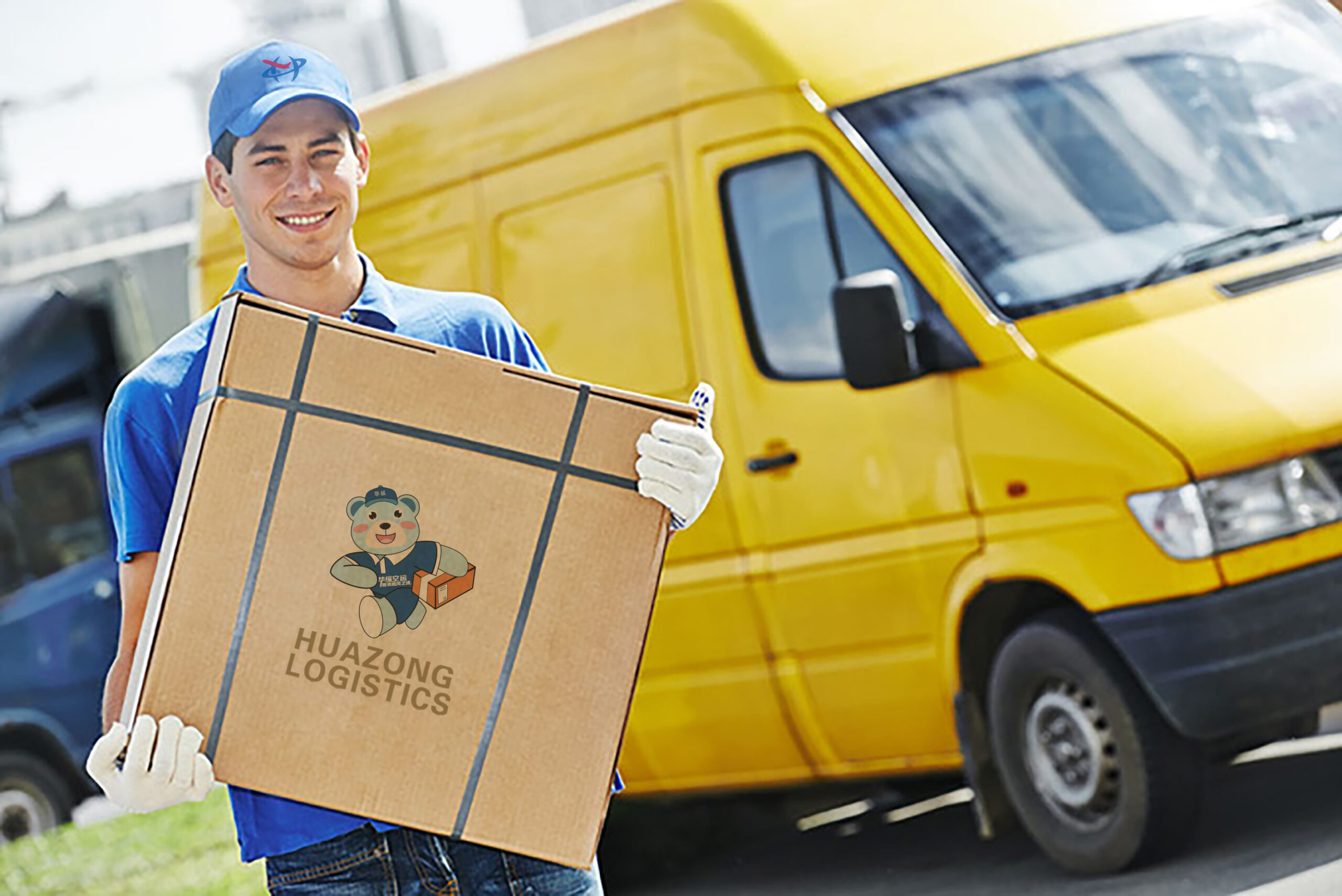
Door-to-Door Service: Reliable and Convenient Shipping at Your Doorstep


Definition of Door-to-Door Service

Door-to-door service refers to a comprehensive shipping method where goods are picked up from the sender’s location and delivered directly to the recipient’s doorstep, without any need for the customer to handle transportation or customs clearance. This service ensures a smooth, hassle-free shipping experience, from the moment the goods leave the origin to their final destination.

The Importance of Door-to-Door Service in Global Trade

Door-to-door shipping plays a crucial role in today’s global logistics by providing convenience, efficiency, and reliability. This service eliminates the need for customers to deal with multiple carriers or logistics steps, offering a streamlined solution for both domestic and international shipments. Whether you’re shipping small parcels or large freight, door-to-door service simplifies the process and ensures that your goods are delivered directly to your specified address.

Huazong Logistics offers comprehensive door-to-door shipping services that cover every step of the process, from collection and packaging to delivery and customs clearance. Our global network of trusted partners ensures the safe and timely delivery of goods to locations across the globe.

Why Choose Door-to-Door Service with Huazong Logistics?

  • Convenience: We take care of the entire shipping process, from pick-up to final delivery.

  • Global Reach: Access to international shipping with guaranteed delivery timelines.

  • Transparency: Full tracking and real-time updates on the status of your shipment.

  • Efficiency: Our team ensures that your goods are moved quickly and securely through customs and transit.

  • Reliability: With a strong network of partners and expertise in logistics, we guarantee safe and timely deliveries.

For businesses seeking a streamlined and reliable shipping method, our Door-to-Door Service is the ideal choice, ensuring that goods reach their destination on time, every time.


Advantages of Door-to-Door Service from China

Cost-Effectiveness

Door-to-door service from China is becoming increasingly cost-effective for businesses seeking fast deliveries at competitive rates. While typically more expensive than sea freight, door-to-door service offers faster transit times, making it ideal for time-sensitive goods. For example, shipping smaller quantities or high-value items via door-to-door service often provides better value compared to slower, more traditional methods like sea freight.

Capacity for Large Shipments

Door-to-door service is capable of handling large shipments, although on a smaller scale compared to sea freight. With advanced logistics systems and large-scale transport vehicles, door-to-door service can efficiently and quickly deliver bulk goods, making it ideal for industries such as electronics and pharmaceuticals, where speed is crucial. While door-to-door service may not be as cost-effective for extremely large shipments, it offers significant advantages in speed and convenience.

Convenience of Full-Service Delivery

One of the biggest advantages of door-to-door service is the convenience it provides. Customers don’t need to worry about intermediary logistics steps or customs clearance—everything is handled by the service provider. This greatly reduces the complexity and risks associated with international shipping, ensuring that goods are delivered smoothly and on time to their final destination.


China’s Role in Global Door-to-Door Shipping

Major Export Items and the Growing Demand for Door-to-Door Service

China plays a crucial role in global door-to-door shipping, exporting a wide variety of products, including electronics, machinery, textiles, and furniture. With China’s export volume exceeding $3 trillion in 2022, the demand for efficient and reliable door-to-door shipping services has grown significantly. This increasing demand makes China’s logistics network an essential part of global supply chains, helping businesses meet their delivery deadlines with ease.

Efficient Door-to-Door Shipping Network

China has a vast and sophisticated logistics network that supports global door-to-door shipping. From major cities to destinations around the world, door-to-door services utilize a combination of transport methods such as trucks, rail, sea, and air, ensuring smooth and efficient delivery of goods. With an extensive domestic transport and distribution system, China’s door-to-door services provide fast and reliable international delivery, helping businesses achieve timely shipments worldwide.


Door-to-Door Service Facilities and Capabilities

Comprehensive Cargo Handling and Service Efficiency

China’s major logistics hubs are equipped with state-of-the-art systems designed to handle door-to-door shipments with speed and precision. These facilities support high-efficiency cargo transfer, ensuring that goods are quickly picked up, processed, and delivered to their final destination. With advanced sorting systems and optimized workflows, goods are seamlessly moved from collection points to delivery locations, minimizing delays and ensuring timely deliveries for businesses worldwide.

Warehousing and Storage Solutions for Door-to-Door Shipments

Leading logistics centers in China offer extensive warehousing and storage facilities to support the door-to-door service. These include temperature-controlled storage for sensitive goods, such as pharmaceuticals and perishable products, as well as bulk storage options for larger shipments. These warehouses ensure that products are safely stored during transit and await timely delivery to customers. With secure and reliable storage facilities, we cater to the diverse needs of international businesses requiring seamless door-to-door solutions.

Connectivity to Inland Transportation for Fast Delivery

China’s key logistics centers are integrated with an advanced inland transportation network, including highways, railways, and road freight systems. This robust infrastructure ensures smooth and fast delivery from the origin to the final destination. For example, Shanghai, Beijing, and Guangzhou are connected to nationwide transport systems, facilitating the efficient movement of goods across China. This seamless integration with rail, road, and air transport ensures that products reach their destinations quickly, providing reliable door-to-door delivery both within China and globally.


China’s Strategic Role in Global Door-to-Door Shipping

Key Export Products and Growing Demand for Door-to-Door Services

China continues to be a major player in global trade, exporting a wide range of products, including electronics, machinery, textiles, and consumer goods. As the demand for quick, reliable, and cost-effective shipping services grows, China’s door-to-door logistics industry has become a cornerstone of international commerce. With the rapid increase in export volumes, businesses worldwide are relying on China’s efficient door-to-door shipping services to meet tight deadlines and stay competitive in the global marketplace.

Streamlined Logistics Networks Across China

China’s advanced logistics network plays a vital role in supporting efficient door-to-door shipping. Major cities such as Shanghai, Beijing, and Guangzhou serve as logistics hubs, offering smooth connectivity between ports, warehouses, and final delivery points. With a well-established infrastructure, door-to-door services ensure the fast, reliable, and efficient movement of goods from manufacturers to end customers, both domestically and internationally.

Step-by-Step Guide

Booking a Shipment

The first step in the door-to-door shipping process is booking the shipment. Choose a reliable freight forwarder by comparing quotes and services. Provide detailed information about your shipment, such as the type of goods, volume, weight, and destination. Accurate information is crucial, as costs are often based on the chargeable weight, which includes both the actual weight and the volume of the goods.

With the increasing demand for global shipping, ensuring efficient booking is critical to meet the required timelines and manage costs effectively.

Packaging and Labeling Requirements

Proper packaging and labeling are essential for safety and compliance, especially for door-to-door shipments. Goods must be packed in a way that ensures protection during the transit, which may involve multiple transport modes and varying conditions. Use durable materials and ensure that each package is clearly labeled with the destination address, handling instructions, and any hazardous material warnings.

Freight companies and logistics hubs are strict about packaging and labeling regulations. Incorrect labeling or poor packaging may cause delays or even rejection at customs. Compliance with packaging and labeling standards can reduce delays by 15-20%.

Customs Clearance Procedures

Customs clearance is a critical part of the door-to-door shipping process. This step involves preparing and submitting the necessary documents, such as the commercial invoice, packing list, shipping documents (AWB), and bill of lading.

Incorrect or incomplete documentation can lead to customs delays, which could incur additional costs of up to $500 per day on average. Since door-to-door shipments typically involve international movement, smooth customs clearance is crucial to avoid bottlenecks. Work closely with your freight forwarder to meet all import/export regulations and ensure a smooth clearance process.

Loading and Transportation

Once the goods clear customs, they are loaded onto the appropriate transport mode, which could be trucks, rail, or other suitable methods, depending on the shipment’s type and destination.

One of the major advantages of door-to-door shipping is flexibility. Different transportation methods (such as trucks, trains, or other vehicles) can be used based on the nature of the goods and customer needs, ensuring that products reach their destination efficiently.

Once loaded, the goods are quickly transported to their final destination. The speed of door-to-door shipping is one of its main benefits, ensuring that goods are delivered promptly, especially for time-sensitive shipments.

Delivery and Unloading at Destination

Upon arrival at the destination, goods are unloaded and go through customs clearance procedures, similar to the export process. Proper documentation and accurate declarations are essential for smooth clearance at the destination.

Once cleared, the freight forwarder manages the final logistics to move the goods from the destination point to the final delivery location, typically via truck or rail transport. Ensuring all paperwork is in order will help avoid delays. Efficient unloading and timely delivery are crucial in door-to-door shipping, as delays can significantly impact the overall supply chain, especially for time-critical shipments.

Door-to-Door Shipping Service

Benefits and Use Cases of Door-to-Door Shipping

Door-to-door shipping is an efficient modern logistics solution that provides a seamless, one-stop service from the point of origin to the final destination. This service minimizes the number of steps and intermediaries involved in transporting goods. It is suitable for various types of cargo, whether small or large shipments, ensuring fast and reliable delivery.

Door-to-door shipping is particularly ideal for businesses requiring quick, direct delivery, especially for time-sensitive goods. It ensures that products arrive on time and safely, with the entire shipping process managed by the logistics company.

Packaging and Labeling Requirements

Proper packaging and labeling are essential in door-to-door shipping, especially when it involves international transportation. Goods must be packed in a way that ensures protection against damage, moisture, and other potential hazards during transit. Additionally, each package must be clearly labeled with the destination address, handling instructions, and any hazardous materials warnings, if applicable. Correct packaging and labeling not only ensure the smooth flow of goods but also prevent delays or extra costs caused by labeling mistakes or inadequate packaging.

Customs Clearance Process

Since door-to-door shipping often involves cross-border transportation, customs clearance is a crucial step. The shipper needs to provide necessary documents, such as the commercial invoice, packing list, and other relevant paperwork, to comply with the destination country’s import regulations. Inaccurate or incomplete documentation can result in customs delays, affecting delivery timelines and incurring additional fees. Close cooperation with a trusted freight forwarder ensures that all required customs paperwork is completed correctly, allowing the shipment to clear customs smoothly and avoid bottlenecks.

Transportation and Delivery

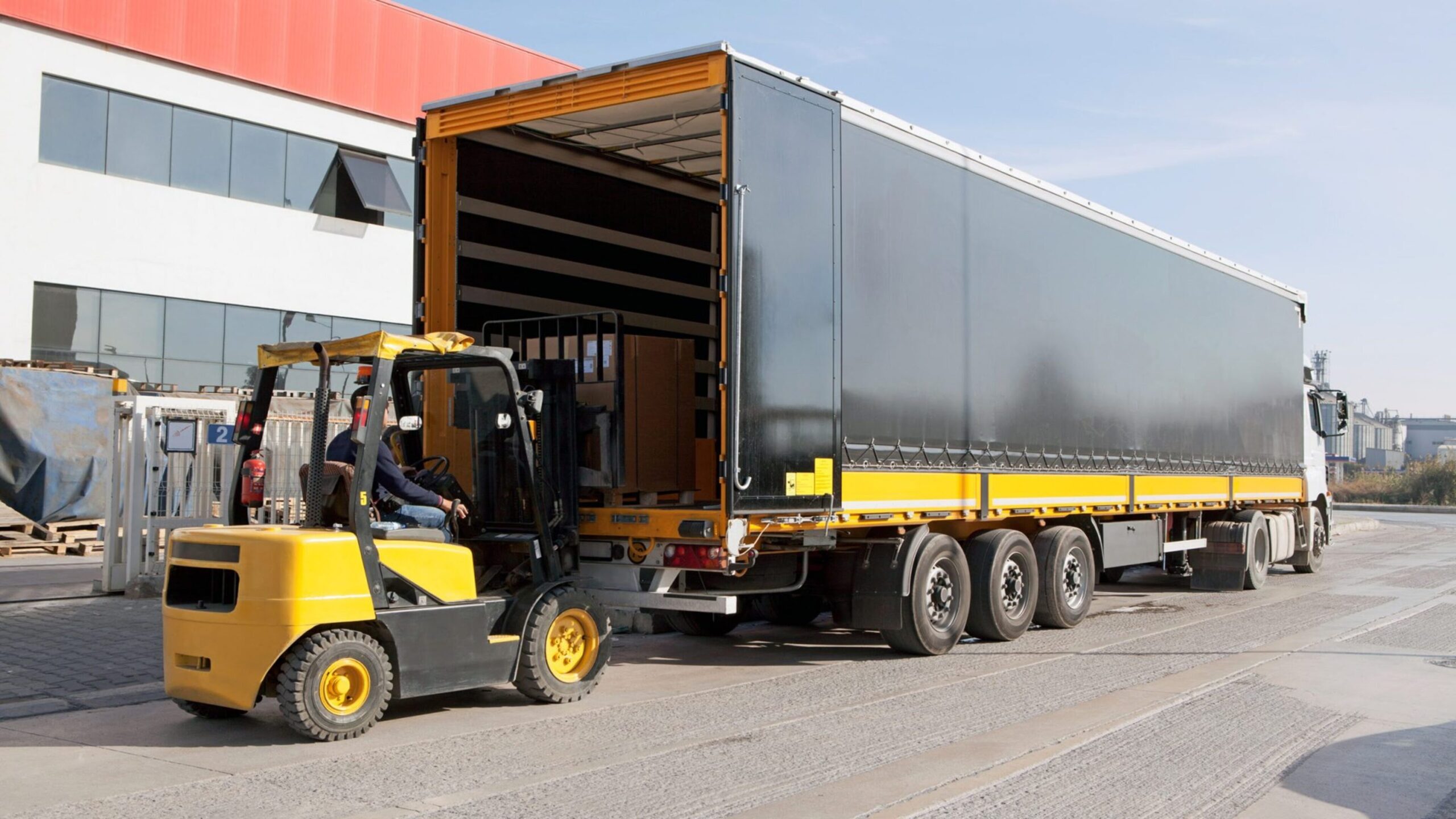
Door-to-door shipping leverages an optimized logistics network, combining transport modes such as trucks, rail, and air to ensure goods are efficiently and safely delivered from the point of origin to the final destination. Once the goods arrive at the destination, they will go through the necessary customs clearance procedures.

After customs clearance, the logistics provider manages the last-mile delivery, transporting the goods from the customs point to the recipient’s door, typically via truck or rail. If all paperwork is accurate, the delivery process will proceed smoothly. The efficiency and convenience of door-to-door shipping make it the preferred logistics solution for businesses, especially in industries where speed and timeliness are critical.

Door-to-Door Shipping Service Overview

SERVICE TYPEBENEFITSSCENARIOS FOR USE
Full Truck Load (FTL)Lower cost per unit, dedicated space, faster handlingLarge shipments, e.g., bulk orders, furniture, or machinery
Less Than Truck Load (LTL)Lower upfront costs, flexibility, shared spaceSmaller shipments, e.g., retail orders, electronics, or fashion items
Charter ServicesGuaranteed capacity, direct routes, flexibilityUrgent or time-sensitive deliveries, e.g., critical machinery or medical supplies
Roll-on/Roll-off (RORO)Ease of loading/unloading, cost efficiencyLarge machinery, vehicles, or heavy equipment, e.g., construction machinery or luxury cars
Specialized Freight (Temperature-Controlled, Hazardous, or Oversized Cargo)Temperature control, safety, precise handlingSensitive goods, e.g., food exports, hazardous chemicals, or oversized equipment


Door-to-Door Shipping Costs Overview

Breakdown of Costs

Shipping Rates

Shipping rates are a major component of door-to-door shipping costs. These rates depend on the weight and volume of the cargo, as well as the distance between the origin and destination. For example, shipping a 100 kg shipment from Shanghai to Los Angeles can cost between $500 to $2,000, depending on the size, type of cargo, and market conditions.

Customs Duties and Taxes

Customs duties and taxes are levied by the destination country. These costs vary based on the type of goods and their declared value. For example, importing electronics into the U.S. typically incurs a duty of around 5-10% of the shipment’s value. Additionally, door-to-door shipments may incur handling fees or fuel surcharges at destination.

Insurance

Insurance protects your goods against loss or damage during transit. The cost of insurance typically ranges from 0.3% to 0.5% of the cargo’s value. For high-value items such as electronics, pharmaceuticals, or machinery, investing in insurance is crucial to mitigate risks and provide financial protection during transportation.

Handling and Logistics Fees
Handling and logistics fees cover the costs associated with loading, unloading, and transporting goods within the origin and destination countries. These fees typically range from $100 to $300 per shipment and include cargo handling fees, security charges, and document fees. Depending on the complexity of the cargo, these fees may be higher.

Factors Influencing Costs

Weight and Volume

The weight and volume of your shipment significantly impact door-to-door shipping costs. Heavier and bulkier shipments tend to incur higher charges due to the space they occupy in the transport vehicles. For example, shipping machinery will cost more than shipping smaller, lighter items like clothing due to its size and weight. Charges are typically based on either the actual weight or volumetric weight, whichever is higher.

Destination Fees

Different destinations may have varying fee structures depending on the traffic and services provided. Destination fees can include customs clearance, handling charges, storage fees, and final delivery charges. High-traffic areas, such as major cities, may have higher fees compared to smaller towns or regional areas.

Seasonal Variations

Shipping rates for door-to-door services can fluctuate depending on seasonal demand. During peak seasons, such as the holiday period or Chinese New Year, rates can increase by 20-30% due to higher demand for shipping capacity. This period sees an influx of shipments, especially in industries like electronics and retail, driving up both shipping rates and handling charges.

Cost-Saving Tips for Door-to-Door Shipping

Consolidating Shipments

Consolidating smaller shipments into one larger shipment can also save costs in door-to-door shipping. By combining multiple shipments from different suppliers or destinations into a single larger shipment, you can benefit from reduced shipping rates and minimized handling fees. For example, instead of sending several small packages from multiple suppliers, consolidating them into one shipment reduces the overall shipping cost and lowers the per-unit cost of delivery. This strategy is especially useful when shipping goods to similar destinations or areas that share the same delivery route.

Choosing the Right Incoterm

Selecting the right Incoterm plays a significant role in reducing the total cost of door-to-door shipping. Incoterms like FOB (Free on Board) or EXW (Ex Works) help clarify the cost responsibilities between the buyer and seller, including who handles transportation, insurance, customs duties, and other fees. By choosing the appropriate Incoterm, you can avoid unexpected costs and ensure that you’re not overpaying for services that should be managed by the supplier or the logistics partner. Understanding these terms allows you to better manage your shipping budget and minimize unnecessary expenses.

Negotiating Rates with Freight Forwarders

Negotiating rates with multiple door-to-door shipping providers can help secure better deals. As shipping costs are often influenced by factors such as fuel surcharges, carrier capacity, and route availability, working with different freight forwarders allows you to compare rates and select the most cost-effective option. Establishing a long-term relationship with a reliable logistics provider can also lead to discounts or preferential rates. For example, signing an agreement for regular shipments can reduce per-shipment costs by 10-20%, especially when dealing with high volumes, making your shipping expenses more predictable and manageable.
                                                  

Average Transit Times for Door-to-Door Shipping from China

China to North America

The average transit time for door-to-door shipping from China to North America typically ranges from 5 to 10 days. For shipments to the West Coast (e.g., Los Angeles, San Francisco), the transit time is usually shorter, ranging from 5 to 7 days, due to the proximity and efficient logistics networks. For the East Coast (e.g., New York, Chicago), it may take slightly longer, typically around 7 to 10 days, depending on customs clearance times, delivery schedules, and route efficiency.

China to Europe

Transit times for door-to-door shipping from China to Europe generally range from 7 to 14 days. For major European hubs like Frankfurt, London Heathrow, and Paris Charles de Gaulle, the shipment may take around 7 to 10 days with efficient delivery services. However, connecting routes or potential delays due to customs clearance can increase the delivery time to 10 to 14 days.

China to Africa and the Middle East

Shipping from China to Africa and the Middle East can vary significantly depending on the destination and the logistics infrastructure. For example, shipments to Dubai or other major Middle Eastern hubs generally take about 7 to 12 days. Deliveries to West Africa (e.g., Lagos, Accra) typically take between 10 to 15 days, depending on available transport routes, handling time, and customs clearance efficiency.

Door-to-Door Shipping Transit Time Overview

Destination RegionAverage Transit TimeKey Factors Impacting Time
North America (West Coast)5 to 7 daysDistance, direct routes, customs clearance, airline efficiency
North America (East Coast)7 to 10 daysLonger distance, layovers, customs clearance, delivery scheduling
Europe7 to 14 daysDirect routes, airport efficiency, customs clearance, delivery efficiency
Middle East7 to 12 daysDirect routes, airport efficiency, customs clearance
Africa10 to 15 daysDistance, available routes, customs clearance, airport congestion

Container Types and Sizes for Door-to-Door Shipping

Standard Containers for Door-to-Door Shipping

In door-to-door shipping, standard containers are used to organize and efficiently transport goods from one location to another. These containers typically range in size from small to large, depending on the nature and volume of the shipment. Some common types are:

  • Standard Pallets: These are often used for general cargo and can carry a variety of goods depending on the size and weight.

  • Large Pallets: Larger shipments can be accommodated on bigger pallets, usually required for heavy or bulky items.

Specialized Containers for Unique Shipments

In some cases, specialized containers are needed to handle specific cargo during the door-to-door transport process:

  • Temperature-Controlled Containers: These are ideal for shipping perishable goods like food, pharmaceuticals, or other sensitive items that need to be kept at specific temperatures.

  • Oversized Cargo: For shipments that do not fit into standard containers, oversized cargo can be placed on larger pallets or platforms and transported through specialized logistics networks.

Final Delivery Considerations

For all types of cargo, the final delivery stage in door-to-door shipping is critical. The efficiency of last-mile delivery—ensuring goods are transported from the destination port or facility to the final recipient’s door—is influenced by the type of goods, their packaging, and the delivery logistics.


This version focuses entirely on Door-to-Door Shipping and covers transit times, key factors influencing delivery speed, and the types of containers used in this service. Let me know if you need any further modifications or details!


Choosing a Reliable Door-to-Door Shipping Provider

Key Considerations

Experience and Reputation

When selecting a door-to-door shipping provider, their experience and reputation are key. An experienced provider will have comprehensive knowledge of local regulations, customs procedures, and efficient route planning. Look for companies with a proven track record and positive customer reviews. For example, a provider with over 20 years of experience handling door-to-door shipments between China and Europe demonstrates reliability and expertise in managing all stages of the shipping process.

Network and Partnerships

A strong network of local and international partners is vital for efficient door-to-door shipping. Providers with strong relationships with international logistics companies, customs brokers, and local delivery agents can offer better rates, faster transit times, and priority handling during peak seasons. For example, a provider with established partnerships with key logistics companies like DHL, UPS, or local Chinese courier services ensures smoother transitions at every stage of the shipment.

Customer Service and Support

Excellent customer service is essential for smooth door-to-door shipping. Choose a provider that offers clear, timely communication and tracking systems, allowing you to follow your shipment in real-time. A dedicated account manager or 24/7 customer service team can address any issues or concerns promptly, minimizing delays and ensuring peace of mind throughout the shipping process.

Top Door-to-Door Shipping Providers in China

China is home to several reliable logistics companies that specialize in door-to-door shipping. Notable providers include Huazong Logistics Shipping, DHL, FedEx, and China Post. These companies have established networks and offer a range of services, from customs clearance to last-mile delivery.Huazong Logistics Shipping, for example, is known for its comprehensive logistics solutions, including end-to-end services for air and sea freight, customs handling, and last-mile delivery. Partnering with a well-known logistics provider like DHL or FedEx guarantees that your shipment is handled with the utmost efficiency and care.

Documentation and Compliance for Door-to-Door Shipping

Essential Documents

Air Waybill (AWB)
The Air Waybill serves as the primary document in air transport for door-to-door shipments. It functions as a receipt for the goods, a contract between the shipper and the carrier, and a key document for customs clearance. Ensuring accurate completion of the AWB is crucial to avoid delays during customs processing.

Commercial Invoice

A Commercial Invoice is required for door-to-door shipping and provides detailed information about the goods being shipped, including their value, description, and origin. This document is essential for customs clearance and tax purposes.

Certificate of Origin

The Certificate of Origin certifies the country of manufacture of the goods and is often needed to determine applicable customs duties and ensure compliance with trade agreements.

Compliance with International Trade Regulations

Import/Export Regulations

Compliance with the relevant import and export regulations in both the origin and destination countries is essential for smooth door-to-door shipping. Regulations may include product standards, labeling requirements, and specific import licenses. Failure to comply can result in fines, delays, or even the seizure of goods at customs.

Sanctions and Trade Restrictions

Ensure your shipment complies with all relevant trade sanctions and restrictions. Some countries impose trade restrictions on certain goods, companies, or destinations. Keeping up-to-date with these regulations is crucial to avoid potential legal issues.

Shipping Routes and Transit Times for Door-to-Door Shipping

Major Door-to-Door Shipping Routes from China

  • China to North America
    The typical door-to-door shipping route from China to North America takes 5 to 10 days, depending on the destination and efficiency of the logistics provider. For instance, shipments from China to the West Coast (e.g., Los Angeles) may take around 5 to 7 days, while shipments to the East Coast (e.g., New York) could take 7 to 10 days, depending on the shipping method and customs processing time.

  • China to Europe
    Door-to-door shipping to Europe usually takes 7 to 14 days, depending on the shipping route and customs clearance times at both ends. Major routes connect Chinese cities like Shanghai and Beijing to key European cities such as London, Paris, and Frankfurt. Direct routes tend to be faster than those requiring transfers or customs clearances at multiple points.

  • China to Africa and the Middle East
    Shipping to Africa and the Middle East can range from 7 to 15 days, depending on the destination. For example, shipments to Dubai generally take 7 to 12 days, while those to West Africa (e.g., Lagos or Accra) may take 10 to 15 days.

Challenges and Solutions in Door-to-Door Shipping

Common Challenges

Delays and Disruptions

Delays in door-to-door shipping are common, particularly due to customs processing, weather disruptions, and busy shipping periods. Delays in one segment of the transportation chain (such as air freight or ground handling) can lead to missed deadlines for final delivery.

Customs Delays

Customs clearance can often be a bottleneck in door-to-door shipping, particularly if documentation is incorrect or incomplete. Delays in customs can increase the time it takes for the shipment to reach its final destination.

Last-Mile Delivery Issues

The final leg of the shipping process—getting the goods from the local hub to the customer’s door—can sometimes be delayed due to factors such as traffic, delivery scheduling issues, or inadequate local infrastructure.

Effective Solutions

Advanced Planning

Proper planning, including choosing the right shipping windows and avoiding peak seasons, can help reduce the risk of delays. For example, shipping early before the Chinese New Year or peak holiday periods can prevent congestion and ensure quicker processing.

Clear and Complete Documentation

Ensuring that all necessary documents are complete and accurate before shipment can help avoid customs delays. This includes providing accurate product descriptions, value declarations, and any required certificates.

Use of Efficient Delivery Partners

Partnering with a reliable final-mile delivery provider can help ensure that the last leg of the journey is completed efficiently. Many door-to-door shipping services work with trusted local carriers that specialize in the final delivery phase.