




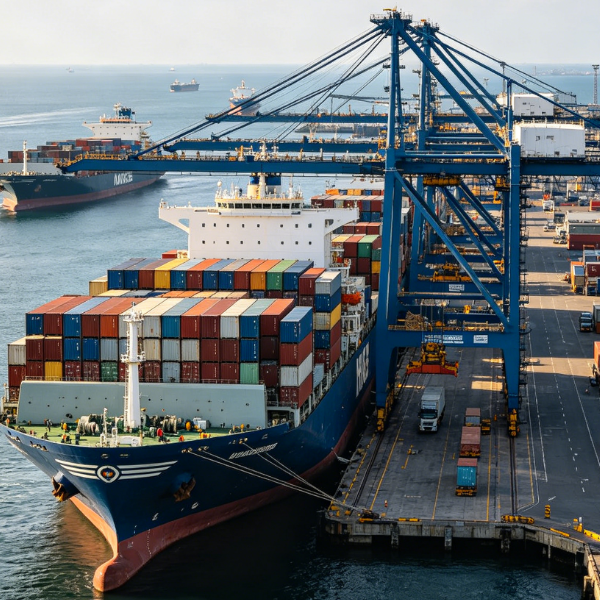
Global trade dynamics are shifting rapidly in 2026. Specifically, businesses demand faster transit for high-value inventory. Shipping from Asia to the US East Coast is complex. Consequently, logistics managers must choose between several primary ocean routes. Large cargo container shipping requires strategic planning to avoid delays. Therefore, understanding your routing options is absolutely critical today. 🚢🌎
The “best” route depends on speed, cost, and reliability. Furthermore, geopolitical events often impact traditional canal passages. This “Expertise” in logistics helps you maintain a lean supply chain. It provides the “Authoritative” edge your business needs to thrive. In this guide, we explore the fastest maritime paths. Let us discover how to optimize your global freight!
The Panama Canal Route: The Classic All-Water Path
The Panama Canal remains the most direct water link. Specifically, it connects the Pacific and Atlantic Oceans directly.
Understanding the All-Water Advantage
Many shippers prefer staying on the water until the end. Therefore, large cargo container shipping vessels head straight for Panama. Specifically, modern “Neopanamax” ships carry over 14,000 containers. Consequently, you avoid the hassle of unloading on the West Coast. This “Trustworthy” method ensures your goods stay secure in one box. It provides the “Authoritative” solution for heavy industrial equipment.
Navigating Drought and Congestion Challenges
However, climate change often impacts the canal’s water levels. Therefore, daily vessel transits may face strict limits. Specifically, wait times can increase during peak holiday seasons. Using all-water shipping solutions requires careful booking in advance. This proactive planning shows your expertise in global logistics. Better scheduling leads to much higher supply chain trust.
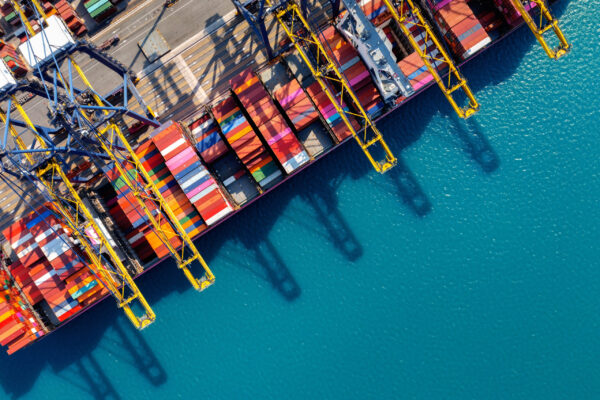
The Suez Canal Route: The Alternative Eastern Path
Shipping from South Asia or Southeast Asia is different. Specifically, the Suez Canal often offers a faster alternative.
-
Sourcing Location: Best for ships leaving from Vietnam or Thailand.
-
Vessel Size: Accommodates the world’s largest “Ultra-Large” container ships.
-
Global Hubs: Accesses major ports in the Mediterranean and Europe.
-
Transit Time: Typically takes 35 to 40 days to New York.
-
Geopolitical Stability: Requires monitoring of the Red Sea region.
-
Fuel Efficiency: Optimized for steady, long-distance steaming speeds.
Selecting international freight corridors improves your total transit predictability. Specifically, it signals your attention to technical geographic details. Reliable maritime transport is the foundation of any global firm. Therefore, you should evaluate the Suez option for Southern Asian cargo. This proactive approach helps you find long-term logistics success.
Comparing Strategies: Speed vs. Reliability
Every business has unique logistics priorities. Therefore, we provide two practical examples to guide your choice.
Example 1: The Transpacific Intermodal Bridge (Speed Focus)
A tech company needs to ship 100 containers to New York. Specifically, they must launch a new product in three weeks. They choose to ship to the Port of Los Angeles. Therefore, they move the cargo via high-speed rail to the East Coast.
-
Total Transit Time: 18 to 22 days.
-
Benefit: This is the fastest way to reach the East Coast.
-
Best For: High-value goods with very tight delivery deadlines.
Example 2: The Suez Canal All-Water Route (Cost & Stability Focus)
A furniture retailer ships 500 containers from Ho Chi Minh City. Specifically, they want to avoid West Coast port congestion. They choose a direct Suez Canal route to Savannah.
-
Total Transit Time: 38 to 42 days.
-
Benefit: This route offers lower costs and skips rail delays.
-
Best For: Bulk commodities where cost matters more than speed.
Evaluating optimal cargo shipping methods ensures you make the right choice. Specifically, it protects your profit margins and satisfies your customers. Smart logistics planning is the key to business growth. Therefore, you must align your route with your specific goals. This “Expertise” separates market leaders from their competitors.
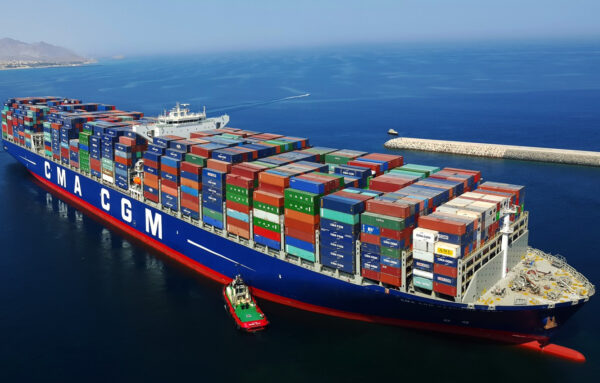
Key Factors Influencing Your Routing Decision
You must analyze several variables before booking your next vessel. Specifically, external factors change the “fastest” route daily.
Port Congestion and Labor Stability
The fastest ocean path fails if the port is full. Therefore, check for labor strikes at East Coast ports. Specifically, Savannah and New York often face high volume. Consequently, your large cargo container shipping might sit for weeks. This “Authoritative” data helps you avoid “bottleneck” locations. It ensures your supply chain remains fluid and very productive.
Fuel Costs and Environmental Regulations
Bunker fuel prices impact the speed of the vessel. Therefore, some carriers use “Slow Steaming” to save money. Specifically, this can add 3 to 5 days to transit. Consequently, you must confirm the “Transit Type” with your forwarder. This “Trustworthy” reliability is vital for the modern logistics leader. Better communication leads to much higher shipping trust.
The Role of Technology in Route Selection
The industry moves toward even more integrated and smart designs. The next decade will see incredible technological shifts.
-
AI Routing: Software that avoids storms and canal congestion live.
-
Autonomous Ships: Reducing human error and increasing fuel efficiency.
-
Blockchain Tracking: Seeing your container’s exact location in real-time.
-
Green Corridors: Faster lanes for ships using zero-emission fuels.
Investing in large cargo container shipping knowledge prepares you now. Specifically, it provides the hardware for the next decade. Furthermore, it signals your commitment to high-quality service standards. Better tech leads to better outcomes and much higher trust.

Choose the Route That Fits Your Strategy
Large cargo container shipping is not a one-size-fits-all task. It provides the “Expertise” needed for the 2026 market. Focus on the Land-Bridge for speed or All-Water for stability. Furthermore, always prioritize routes that offer the highest reliability.
Don’t let long lead times hurt your customer satisfaction levels. Focus on advanced routing solutions to reach peak performance. By selecting the right maritime path, you win. Take the first step toward better logistics and upgrade now!


