




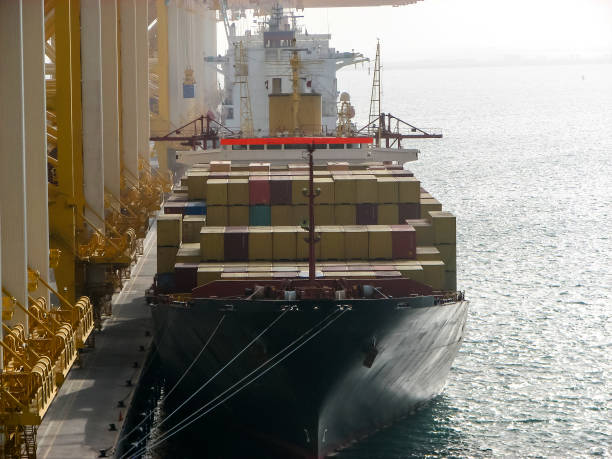
Large cargo overseas shipping helps businesses move heavy goods and bulk shipments economically. Also known as bulk ocean freight, this service supports international trade through containerized transportation. However, freight rates alone do not determine the final shipping cost. Businesses must also manage cargo volume, port charges, customs procedures, and inland delivery. Therefore, Huazong Logistics provides professional ocean shipping and safe global delivery for business customers. With flexible shipping options and coordinated logistics, companies can improve cost efficiency while maintaining reliable cargo handling.

How Can Large Cargo Overseas Shipping Reduce Freight Costs?
Large shipments often generate substantial transportation expenses. Moreover, poor shipment planning can increase handling fees, storage charges, and additional trucking costs. Businesses should evaluate the complete logistics budget before confirming a booking.
Technical Solution: Compare Total Shipping Costs
First, request an itemized quotation from your freight forwarder. Include ocean freight, origin handling, destination charges, customs clearance, documentation, and final delivery. As a result, your purchasing team can compare the actual landed logistics cost.
Additionally, Huazong Logistics coordinates international shipping arrangements through established carrier and port networks. This approach helps business customers evaluate suitable routes, service options, and cost structures. For repeat shipments, consistent quotation details also make budget planning easier.

Should Large Cargo Overseas Shipping Use FCL or LCL?
Choosing the right container arrangement directly affects shipping economics. Full Container Load (FCL) suits shipments that can efficiently occupy a dedicated container. Less than Container Load (LCL), however, allows businesses to share container space with other shipments.
Technical Solution: Match Cargo Volume to Container Space
First, calculate the shipment’s packed volume in cubic meters. Then, compare the total FCL quotation with the estimated LCL charges. Also, consider minimum charges, handling fees, cargo dimensions, and destination expenses.
For example, regular high-volume exports may justify a dedicated container. Meanwhile, smaller or less frequent shipments may benefit from consolidated cargo services. Consequently, businesses can select a suitable arrangement without paying unnecessarily for unused capacity.
| Comparison factor | FCL shipping | LCL shipping |
|---|---|---|
| Space allocation | Dedicated container | Shared container |
| Pricing basis | Container and associated charges | Chargeable volume or weight |
| Suitable shipments | Large or regular consignments | Smaller or consolidated consignments |
| Cost-control priority | Container utilization | Consolidation and handling fees |
| Planning focus | Loading and container availability | Cargo readiness and consolidation schedule |
For broader service information, explore our ocean shipping solutions to review relevant logistics options.
Can Route Planning Lower Large Cargo Overseas Shipping Costs?
The departure port and destination port influence the overall logistics budget. In addition, carrier schedules, available capacity, and inland transportation affect the final quotation. Therefore, businesses should compare complete shipping routes rather than ocean freight alone.
Technical Solution: Evaluate Port-to-Port and Door-to-Door Costs
China offers major export gateways, including Shanghai, Shenzhen, Ningbo-Zhoushan, and Qingdao. However, the nearest port does not always provide the lowest total transportation cost. Inland trucking, container availability, and destination connectivity can change the calculation.
Instead, Huazong Logistics evaluates suitable routing and delivery arrangements according to cargo origin and destination. For example, some shipments benefit from direct port connections. Others may achieve better overall value through alternative gateways or coordinated inland transport.
Consequently, route selection should consider transportation expenses, transit requirements, and delivery reliability together.

How Can Packaging and Consolidation Control Hidden Charges?
Cargo dimensions and packing methods influence container utilization. Moreover, oversized packaging can increase chargeable volume and complicate loading. Poor cargo preparation may also create additional handling requirements during transportation.
Technical Solution: Optimize Packing Before Booking
First, confirm the final carton dimensions, gross weight, and total shipment volume. Then, assess whether products can be safely stacked or arranged more efficiently. Meanwhile, protect fragile goods with suitable cushioning and secure the load for transport.
For multiple suppliers, coordinated consolidation can reduce fragmented bookings. However, the team should account for warehouse handling, storage, and additional documentation. Consolidation delivers value when the resulting savings exceed these extra costs.
Huazong Logistics helps coordinate cargo handling and shipping arrangements for business shipments. Furthermore, clear packing information supports more accurate quotations and practical loading plans. These measures help companies balance product protection, container utilization, and logistics expenses.
For more planning guidance, visit our international shipping technical guide for useful information on shipment preparation and freight coordination.

How Can Freight Forwarding Improve Delivery Reliability?
Unexpected customs issues and incomplete documentation can create delays and additional charges. Therefore, businesses should prepare shipping documents before cargo reaches the departure port. Common documents include commercial invoices, packing lists, and bills of lading.
Technical Solution: Coordinate Documents and Delivery Responsibilities
First, confirm the product description, declared value, consignee details, and applicable customs requirements. Depending on the commodity and destination, additional permits or certificates may apply. Therefore, exporters should verify requirements with their freight forwarder and relevant authorities.
Additionally, clarify whether the quotation covers port-to-port transportation or door-to-door delivery. For DDP or DDU arrangements, confirm the agreed responsibilities for customs clearance, duties, taxes, and final delivery. These details help prevent misunderstandings and improve budget visibility.
Huazong Logistics coordinates shipping arrangements, cargo tracking, and relevant logistics communication. As a result, business customers can manage shipment progress with clearer responsibilities and better cost visibility.
Q&A: Large Cargo Overseas Shipping
Q1: How can Huazong Logistics help businesses control ocean freight costs?
Huazong Logistics evaluates FCL and LCL options, routing, and delivery requirements. Moreover, coordinated booking and quotation reviews help customers identify suitable cost-saving opportunities. The goal is to balance competitive pricing, cargo protection, and dependable service.
Q2: Which shipments are suitable for large cargo overseas shipping?
Machinery, furniture, automotive components, construction materials, and bulk consumer goods often suit ocean freight. However, the best arrangement depends on cargo dimensions, weight, destination, and delivery schedule. Huazong Logistics helps business customers assess practical shipping options.
Q3: How can importers obtain better value without compromising service quality?
Importers should compare itemized quotations, verify service scope, and prepare accurate cargo information. Furthermore, they should consider communication, tracking, and handling coordination alongside the freight rate. Huazong Logistics supports these priorities through professional ocean shipping services tailored to business logistics needs.


