




Global trade connects industries across continents every single day. We ship electronics, industrial machinery, and simple consumer goods smoothly. However, some common commercial items carry serious hidden safety risks. Everyday products like lithium batteries, aerosols, and industrial solvents require extreme care.
Navigating these complex regulations requires a highly specialized logistics partner. A professional hazardous goods shipping service ensures your cargo moves safely. They manage international compliance laws to protect your supply chain from fine risks. This guide breaks down exactly how dangerous goods logistics work this year. We will explore the strict procedures that keep your global shipments moving.
Defining Dangerous Cargo in Global Supply Chains
Many business owners do not realize their everyday products are legally dangerous. The maritime industry uses specific legal criteria to define hazardous materials. Essentially, these items pose potential risks to public health and transport safety. This includes items that are flammable, corrosive, toxic, or highly explosive. If you misclassify these goods, customs authorities will seize your cargo instantly. Therefore, proper identification is the vital first step for every international exporter.
The Nine Classes of Dangerous Goods
The United Nations organizes dangerous cargo into nine distinct risk categories. This global system helps freight forwarders handle different chemical compounds correctly. For instance, class three covers flammable liquids like paints and alcohol fuels. Meanwhile, class nine handles miscellaneous dangers like massive lithium-ion battery packs.
The Crucial Role of Expert Hazmat Freight Forwarders
Shipping chemical products is definitely not a project for standard postal couriers.
A certified hazardous goods shipping service provides deep legal and operational expertise. They understand the hidden nuances of international maritime law perfectly. Furthermore, they maintain strong relationships with specialized port authorities globally. These logistics experts prevent costly supply chain delays before your truck leaves. They turn a stressful regulatory nightmare into a smooth, predictable corporate routine.
Preventing Annoying Port Rejections
Experienced forwarders review your commercial paperwork before submitting it to customs. They ensure your specific chemical data sheets match destination country laws. This proactive checking saves your business thousands of dollars in unexpected storage fees. It ensures your client receives their critical industrial materials exactly on schedule.
Deciphering the Safety Data Sheet Requirement
You cannot ship dangerous chemicals without a valid Safety Data Sheet (SDS).
Chemical manufacturers must generate this technical document for every product formula. It contains sixteen structured sections detailing exact chemical properties and emergency protocols. The shipping line reviews this document to determine precise container storage spots. For example, they cannot store water-reactive compounds near open deck areas.
-
Section 14 Focus: This specific segment contains the vital UN transport identification number.
-
Flashpoint Data: Tells logistics teams exactly how easily a liquid catches fire.
-
Spill Protocols: Provides clear instructions for crew members during accidental transit leaks.
-
Packing Groups: Defines the relative danger level of the substance from high to low.
Sourcing Verifiable Chemical Documentation
Always ensure your lab documentation comes from an accredited testing facility. Outdated or inaccurate safety sheets will trigger immediate customs audits at major ports.
The Art of Certified Industrial Packaging
Standard cardboard boxes will fail during rough international ocean transit cycles.
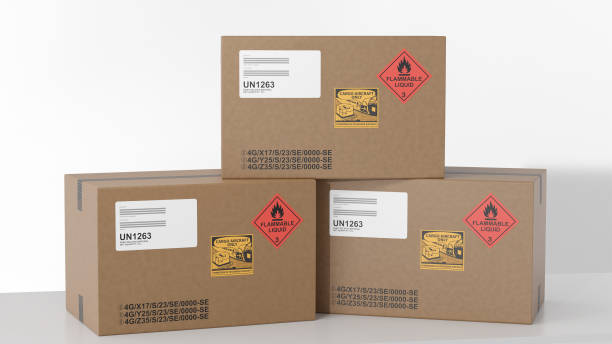
Dangerous cargo demands specialized packaging tested under extreme physical stress simulation. The United Nations enforces strict design standards for these heavy-duty transport containers. These packages must survive drop tests, high pressure, and intense vibration. They isolate dangerous chemical leaks from the outside environment completely.
Understanding Packaging Group Standards
The industry utilizes three distinct packaging groups based on cargo severity. Packaging Group I handles great danger, requiring the strongest containment vessels. Packaging Group III manages minor risks, allowing more flexible commercial material choices. Your hazardous goods shipping service selects the perfect box type for your specific formulation.
Correct Labeling and Hazard Communication Laws
Customs officials must identify dangerous containers from a far distance instantly.
Therefore, international law mandates bright, color-coded diamond placards on every side. These labels feature specific symbols like flames, skulls, or exploding bombs. They communicate exact chemical risks to dock workers without requiring language translations. Additionally, you must display the correct four-digit UN number clearly outside.
The Consequence of Faulty Labeling
Faded, peeling, or misplaced placards are a major source of transit delays. Automated port cameras scan containers continuously for safety compliance markers today. If a label is missing, the system halts your shipment immediately. This creates massive logjams for your distribution network and unhappy global buyers.

Step-by-Step: The Hazmat Shipping Workflow
Moving sensitive cargo involves a highly structured chronological chain of professional custody.
-
Cargo Classification: The shipper provides a detailed SDS to the logistics company.
-
Carrier Approval: The shipping line reviews the chemical data for space availability.
-
Certified Packing: Specialists pack the goods using approved UN-certified boxes.
-
Placard Application: Workers apply dangerous goods diamonds to the outer container.
-
Declaration Submission: The broker files the official Dangerous Goods Declaration form.
Mastering the Dangerous Goods Declaration Form
The Dangerous Goods Declaration (DGD) is your most critical maritime document.
This legal certificate holds your business directly accountable for cargo safety. It states that you have packed and labeled the items perfectly. Any errors on this form can lead to criminal liability for corporations. Therefore, your hazardous goods shipping service double-checks every line item meticulously. They ensure your cargo meets every active international treaty standard before departure.
Digital Documentation Trends in 2026
Modern logistics platforms utilize secure digital data exchange systems for paperwork now. This electronic filing speeds up customs clearance times across global maritime hubs.
Choosing the Best Transit Mode for Your Budget
Different transport methods present unique regulatory challenges for international chemical shippers.
International Air Freight Logistics
Air shipping is incredibly fast but features the tightest safety restrictions. Passenger planes ban most types of flammable liquids and large battery arrays completely. You must utilize specialized cargo-only aircraft for these high-value industrial deliveries. Consequently, your total freight rates will be significantly higher than surface transport.
Global Ocean Freight Transportation
Ocean transit is the most economical choice for massive chemical volumes. Tankers and container ships handle large volumes of dangerous cargo every single day. However, sailing schedules take much longer to reach destination ports across oceans. You must plan your inventory cycles carefully to avoid factory production gaps.
Preparing Your Business for Safe Global Trade
Success in the chemical export market requires constant operational vigilance.
Never try to bypass regulations by hiding dangerous items inside generic boxes. The industry calls this illegal practice “undeclared dangerous goods,” and penalties are severe. Modern ports utilize advanced x-ray scanners to inspect cargo interiors automatically. Partner with a transparent hazardous goods shipping to protect your corporate future.
Specialized Logistics Solutions
Navigating hazardous logistics requires a deep commitment to global safety standards.
An experienced hazardous goods shipping service keeps your supply chain running smoothly. They protect your business from massive fines and disastrous transit accidents daily. Invest in proper UN packaging and verify your safety data sheets constantly. By prioritizing compliance, you build a resilient international brand for years to come.


