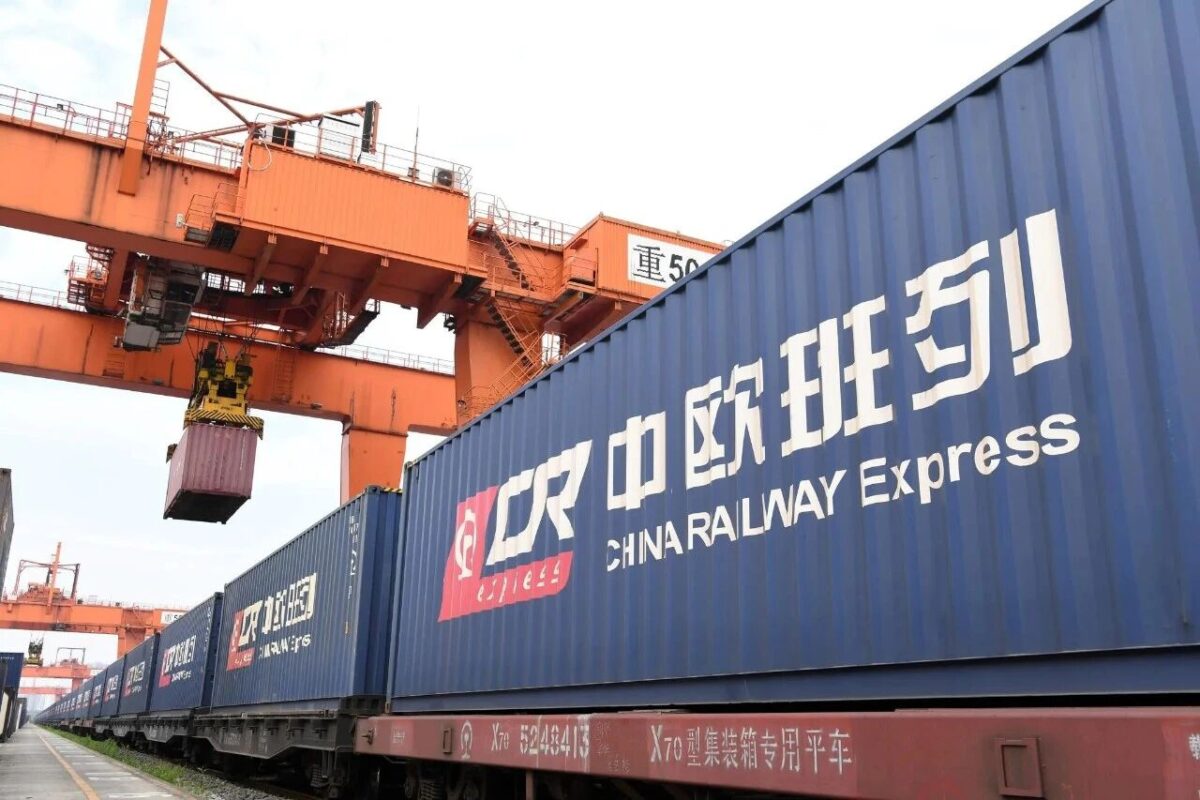




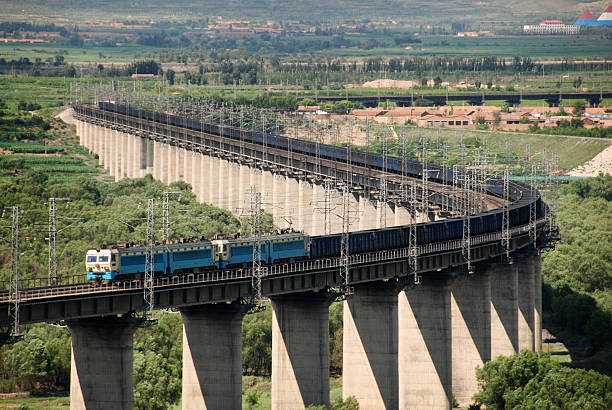
Cross-border e-commerce brands require agile supply chain models today. Online retailers face high air freight expenses and slow ocean transit times. Consequently, smart merchants choose overland Eurasian rail corridors for inventory movement. Leveraging rail transport from China delivers an optimal balance of speed and cost. This intermodal rail freight solution connects major Chinese manufacturing hubs directly to Europe.
Furthermore, efficient railway logistics maintain strict environmental standards like carbon footprint reduction compliance across global supply chains. Therefore, experienced international freight forwarding companies engineer reliable transcontinental rail operations. To explore specialized rail container shipping options, you can explore our overland rail transport services category for detailed route profiles.

E-Commerce Logistics Bottlenecks
Astronomical Air Freight Costs for Mid-Value Products
Selling bulky or medium-value merchandise via air transport destroys profit margins. High air freight surcharges create unsustainable unit shipping expenses for online merchants. Consequently, e-commerce sellers struggle to maintain competitive retail pricing online. Relying solely on aviation logistics limits long-term commercial growth severely. Furthermore, volatile air cargo capacity creates unpredictable freight expense spikes.
Excessive Ocean Shipping Lead Times Cause Stockouts
Ocean vessels take up to 45 days to reach European distribution centers. As a result, fast-moving e-commerce brands often run out of stock during peak demand. Slow maritime transport prevents rapid inventory replenishment across digital sales channels. Furthermore, port congestion and blank sailings delay ocean container deliveries unexpectedly. Long transit times force merchants to lock up capital in excess safety buffer stock.
Complex Multi-Border Clearance Disrupts Delivery Schedules
Transcontinental land routes cross multiple international borders and distinct customs territories. Missing transit documentation triggers immediate train holds at border gauge-changing stations. Consequently, unmanaged border delays cause missed last-mile delivery appointments across Europe. Traditional land shippers struggle with complex border customs compliance requirements. You can read our China-Europe rail customs technical guide to prevent transit delays.

Technical Solutions for Rail E-Commerce Logistics
China-Europe Railway Express Network Integration
Modern rail transport from China leverages the China-Europe Railway Express network. Direct block trains depart regularly from hubs like Chengdu, Xi’an, and Zhengzhou. Cargo moves swiftly through major border gateways like Alashankou and Khorgos. Consequently, rail shipments reach core European hubs within 12 to 18 days.
Furthermore, fixed railway timetables ensure predictable delivery schedules for e-commerce replenishment. Reliable land-bridge corridors eliminate maritime port congestion risks entirely.
GPS IoT Telemetry and Active Smart Monitoring
Leading international freight forwarding companies equip rail containers with advanced IoT sensors. Smart tracking units transmit real-time GPS coordinates via cellular and satellite relays. Sensors measure container temperature, ambient humidity, and unexpected physical shock shocks continuously.
Consequently, control towers monitor sensitive e-commerce inventory across remote steppe regions. Automated alerts notify logistics managers immediately if environmental anomalies occur. Immediate visibility allows proactive intervention long before trains reach destination terminals.
Automated Digital Pre-Clearance and CIM/SMGS Integration
Forwarders utilize unified CIM/SMGS consignment notes to streamline transcontinental rail transport. Digital EDI platforms transmit customs data to border authorities prior to train arrival. Automated systems process transit documentation while block trains travel across Eurasia.
As a result, border teams execute container gauge transfers without administrative delays. Pre-cleared trains pass through border posts rapidly without physical cargo inspections. Efficient paperwork processing maintains continuous high-velocity overland freight movement.
Transport Mode Comparison Matrix
The table below compares key operational metrics across cross-border freight modes:
| Freight Parameter | Express Air Cargo | China-Europe Rail Express | Maritime Ocean Freight |
| Transit Speed (China to EU) | 3 – 7 Days | 12 – 18 Days | 35 – 45 Days |
| Average Freight Cost | Very High | Balanced / Medium | Lowest |
| Schedule Reliability | Moderate (Weather Dependent) | Very High (Fixed Timetables) | Low (Port Congestion) |
| Carbon Footprint Impact | Highest Emissions | Very Low Emissions | Moderate Emissions |
| Tracking Granularity | Flight Milestones | Continuous IoT GPS/Sensors | Port-to-Port Updates |
| Customs Protocol | Air Express Pre-Clearance | Unified CIM/SMGS Digital Entry | Marine Port Manifest Entry |
Operational Best Practices for Rail Logistics
Implementing Secure Intermodal Container Packaging
Logistics operators install heavy-duty blocking and bracing inside steel rail containers. Cargo handlers secure e-commerce master cartons tightly using non-slip dunnage materials.
Consequently, packages remain intact during rail car coupling and track vibration. Specialized weather-proof container seals protect electronics and apparel from severe dust. Proper internal loading prevents structural cargo shifts across long Eurasian journeys.
Streamlining Overseas Last-Mile Hub Injections
Forwarders integrate destination rail terminals directly with European regional courier networks. Upon train arrival at hubs like Duisburg or Małaszewicze, workers transfer containers swiftly.
Consequently, local trucks haul consolidated parcels to regional sorting facilities immediately. Direct courier injection enables fast 24-to-48-hour delivery across European consumer doorsteps. Fast destination handoffs maximize total supply chain velocity for online retailers.

Frequently Asked Questions (FAQ)
How much faster is rail transport from China compared to ocean freight?
Rail transport takes 12 to 18 days from China to Europe. This delivery speed is roughly twice as fast as ocean freight shipping.
What types of e-commerce products are best suited for rail transport?
Rail freight is ideal for consumer electronics, automotive parts, apparel, and home goods. It offers high value for medium-weight products requiring steady stock turnover.
How do trains handle different rail track gauges across international borders?
Specialized gantry cranes transfer steel containers quickly onto matching rail wagons at borders. This automated container swap takes only a few hours to complete.
Does rail freight offer better environmental sustainability than air cargo?
Yes, rail transport emits up to 90% less carbon dioxide than air freight. Choosing rail helps e-commerce brands achieve strict corporate sustainability targets easily.
How do forwarders prevent cargo theft during long Eurasian rail journeys?
Forwarders utilize heavy-duty smart locks, tamper-evident seals, and live GPS tracking. Modern block trains travel continuously with secure terminal monitoring protocols.