





Starting your international trade journey is an exciting milestone. However, the world of shipping terms often feels overwhelming. You must choose the right Incoterm for your 20 foot container shipping plan. This choice dictates who pays the bills and who carries the risk.
Two terms dominate the industry: FOB and CIF. Each offers unique advantages depending on your experience level. Understanding these differences saves you money and prevents legal headaches. In this guide, we break down these concepts simply. We will help you navigate your first shipment with total confidence.
Understanding FOB: Free on Board
FOB stands for “Free on Board.” It is a favorite among experienced importers. When you use FOB, the seller’s responsibility ends at the port. They load your goods onto the vessel in their country. After that moment, you take full control of the journey.
Who Controls the Freight?
Under FOB, you choose the shipping line and the forwarder. This gives you power over the 20 foot container shipping route. You can negotiate rates directly with experts like Huazong Logistics. This transparency helps you avoid hidden markups from the seller.
Risk and Cost Division
The seller pays for local transport and export clearance. You pay for the sea freight and insurance. You also handle the import taxes at your home port. This split keeps both parties accountable for their local costs.

Understanding CIF: Cost, Insurance, and Freight
CIF stands for “Cost, Insurance, and Freight.” This term is very popular for first-time buyers. The seller manages almost everything until the goods reach your port. It feels like a “delivered” service for international trade.
The Seller’s Expanded Role
In a CIF agreement, the seller pays for the ocean freight. They also provide the minimum insurance for your cargo. This simplifies the process for you during 20 foot container shipping. You do not need to find a carrier immediately.
The Hidden Downsides
While CIF seems easy, it often costs more. Sellers frequently add a margin to the freight costs. Furthermore, you have no control over the transit time. Some sellers choose the cheapest, slowest vessels to save money.
FOB vs. CIF: A Side-by-Side Comparison
| Feature | FOB (Free on Board) | CIF (Cost, Insurance, and Freight) |
| Freight Payment | Buyer pays sea freight | Seller pays sea freight |
| Insurance | Buyer’s responsibility | Seller’s responsibility |
| Risk Transfer | At the port of loading | At the port of loading |
| Control | High (Buyer chooses carrier) | Low (Seller chooses carrier) |
| Best For | Experienced Importers | New Importers / Small Batches |
Why Huazong Logistics Recommends FOB for Growth
Many growing businesses eventually switch to FOB. Huazong Logistics often suggests this move to increase profit margins. Controlling your own 20 foot container shipping offers long-term benefits.
-
Cost Transparency: You see exactly where every dollar goes.
-
Flexible Scheduling: You pick the departure dates that fit your sales.
-
Single Point of Contact: You work with one trusted forwarder.
-
Customized Insurance: You can buy better protection for your goods.
When you control the logistics, you control your supply chain. This reliability is vital for maintaining high customer satisfaction. Calculate your 20 foot container shipping rates now.

Critical Factors for Your First Container
Choosing an Incoterm is just the first step. You must also consider the physical limits of your cargo. A standard 20-foot container offers about 33 cubic meters of space.
Weight vs. Volume
Are you shipping heavy machinery or light pillows? Heavy items might hit the weight limit before the space is full. Always discuss your packing list with Huazong Logistics early. They can optimize your loading plan to save money.
Insurance Coverage
Never skip insurance for your 20 foot container shipping. Under CIF, sellers only provide basic coverage. This might not cover the full value of your goods. Under FOB, you can choose a comprehensive “All-Risk” policy.
Common Mistakes to Avoid
Even smart business owners make errors in their first year. Avoid these traps to keep your cargo safe.
-
Ignoring Port Charges: CIF does not include destination port fees.
-
Weak Documentation: Ensure your Bill of Lading matches your invoice.
-
Late Payments: Carriers hold your container if fees remain unpaid.
-
No Buffer Time: Always expect a few days of delay at customs.
Working with a partner like Huazong Logistics reduces these risks. They guide you through the paperwork for a smooth experience.
Making the Right Choice
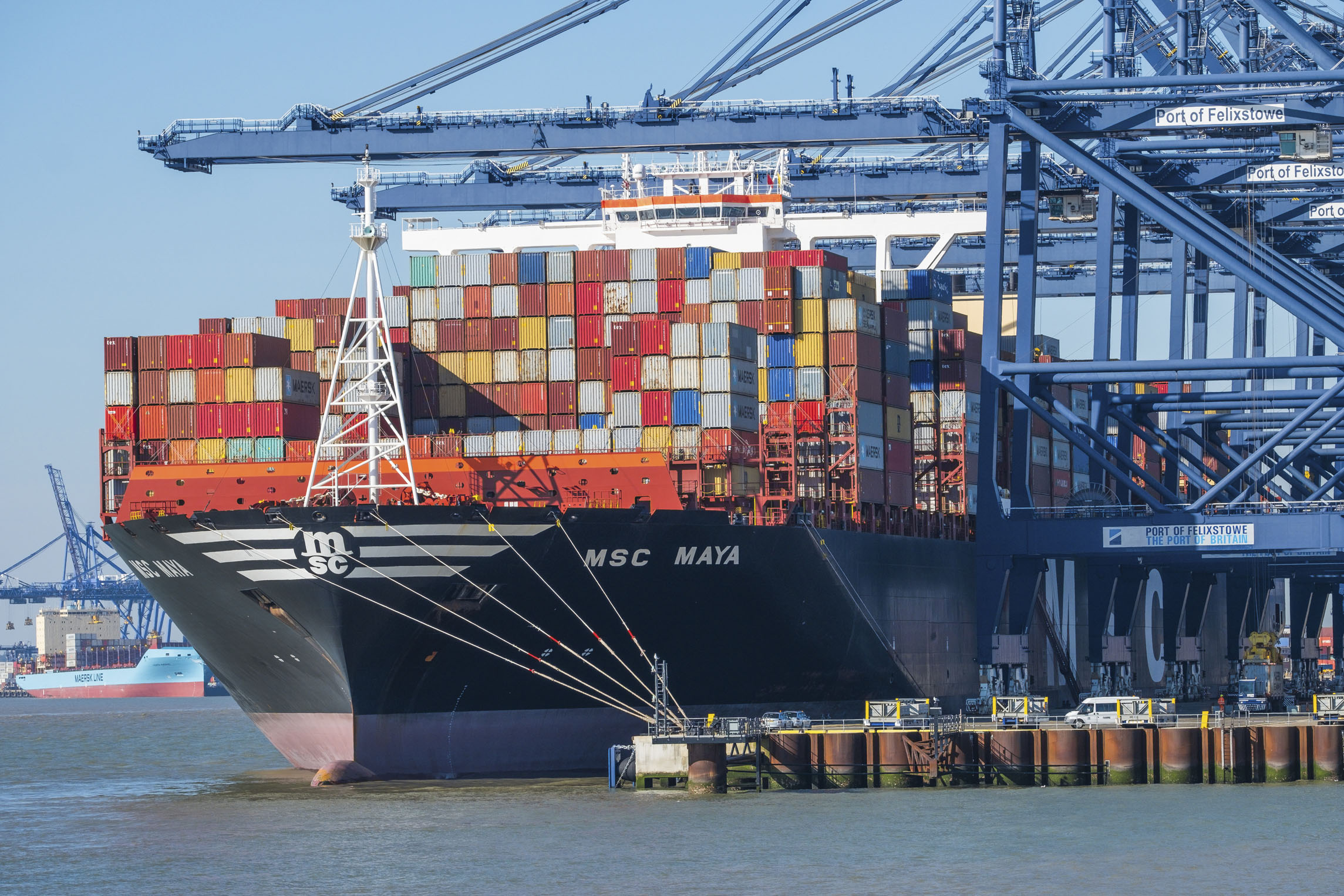
So, which term should you choose? For your first 20 foot container shipping, CIF offers simplicity. It lets you focus on sales while the seller handles the sea. However, if you want to save money, FOB is the winner.
FOB grants you the control needed to scale your business. It allows you to build a relationship with Huazong Logistics. Together, you can find the fastest and cheapest routes globally. Evaluate your comfort level and your budget today. Make the choice that supports your long-term success.


