



قد يكون التنقل في التجارة الدولية مرهقًا للعديد من الشركات. كثيرًا ما يعاني المشترون الجدد من اختصارات الشحن المعقدة. غالبًا ما يؤدي سوء فهم هذه المصطلحات إلى نفقات غير متوقعة في سلسلة التوريد. ومن بين هذه المصطلحات, تبرز خدمة Free on Board باعتبارها الخيار الأكثر شيوعًا. ولكن ما هو الشحن فوب بالضبط? بالإضافة إلى, الذي يتحمل العبء المالي للشحن البحري أو الجوي?
يكسر هذا الدليل الشامل آليات شروط FOB. سنستكشف كيف يؤثر ذلك على تكاليف المصادر العالمية ومخاطر المسؤولية.
فهم أساسيات فوب
Free on Board هو مصطلح تجاري قياسي أنشأته غرفة التجارة الدولية. فهو يحدد رسميًا اللحظة الدقيقة التي تنتقل فيها المسؤولية المالية من البائع إلى المشتري.
التعريف الأساسي
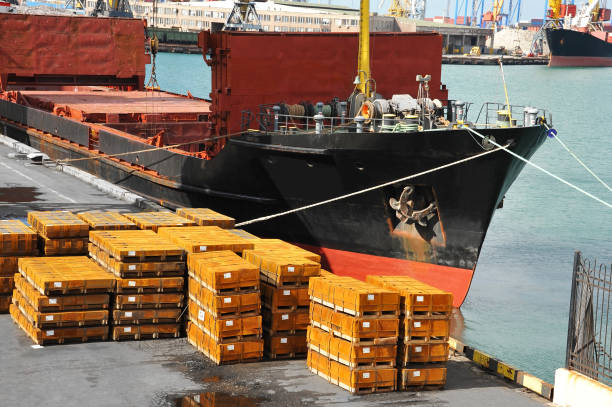
تاريخيا, وينطبق هذا المصطلح فقط على النقل البحري. يستخدمه الآن متخصصو الخدمات اللوجستية الحديثة عبر أوضاع الشحن المختلفة. في الأساس, يجب على البائع تسليم البضائع إلى سفينة معينة. بمجرد عبور الحمولة حاجز السفينة, البائع يفي بالتزامه القانوني.
لماذا تعتبر مصطلحات التجارة الدولية مهمة في المصادر العالمية
تمنع الشروط الواضحة النزاعات القانونية المكلفة بين الشركاء التجاريين الدوليين. إنهم يمليون من يدير أوراق التخليص الجمركي. كما أنها تحدد من ينسق مع شركات النقل في المحيط. بدون هذه القواعد الواضحة, يمكن أن تظل الشحنات الدولية عالقة في محطات الموانئ المزدحمة لأسابيع.

الركنان: فوب الأصل مقابل. الوجهة فوب
يجب أن تفهم الصيغتين الأساسيتين لترتيب الشحن هذا. إنهم يوزعون التكاليف والمخاطر التشغيلية بشكل مختلف تمامًا.
أصل فوب (نقطة الشحن فوب)
ضمن هذه الشروط المحددة, يفترض المشتري الملكية الكاملة في وقت مبكر جدًا. ويتم النقل في اللحظة التي يقوم فيها الناقل بتجميع البضائع في المصنع. بالتالي, يدفع المشتري جميع رسوم الشحن الدولية. يجب عليك أيضًا شراء بوليصة التأمين على البضائع لحماية استثماراتك.
الوجهة فوب
على العكس من ذلك, تحافظ وجهة FOB على المخاطر مع المورد لفترة أطول. يحتفظ البائع بالملكية الكاملة حتى تصل البضائع إلى مستودعك المحلي. لذلك, يغطي البائع تكاليف الشحن البحري الرئيسية. كما أنهم يتعاملون مع أي مطالبات بالأضرار التي تحدث أثناء النقل الطويل.
من يدفع أجرة النقل بموجب شروط FOB؟?
دعونا نجيب على السؤال الحاسم المتعلق بالمسؤولية المالية. تعتمد الإجابة المختصرة كليًا على صيغة العقد المحددة الخاصة بك.
مسؤوليات تكلفة البائع
في اتفاقية ميناء FOB القياسية, يتعامل البائع مع جميع الخدمات اللوجستية المحلية. إنهم يدفعون تكاليف النقل بالشاحنات المحلية من المصنع إلى محطة التصدير. كما أنها تغطي رسوم التخليص الجمركي للتصدير ورسوم المناولة في الموانئ.
مسؤوليات تكلفة المشتري
يتولى المشتري المسؤولية المالية عند رصيف التصدير. يجب عليك أن تدفع ثمن الشحن البحري أو الجوي الدولي الرئيسي. بالإضافة إلى ذلك, أنت مسؤول عن رسوم الاستيراد ورسوم التسليم المحلي. اكتشف المزيد حول إدارة تكاليف المحطة الطرفية من خلال قراءة دليلنا لتقليل رسوم ميناء الوجهة.
رسم خرائط تدفق الشحن FOB ونقاط التكلفة
تتطلب إدارة الشحن الدولي تتبع أجزاء متحركة متعددة. يوضح المخطط الانسيابي النصي أدناه بالضبط كيفية تقسيم التكاليف والمسؤوليات بين المشتري والبائع أثناء معاملة FOB Origin القياسية.
| [ مسؤولية البائع (محلي) ] [ مسؤولية المشتري (دولي) ] صادرات المصنع -> النقل بالشاحنات في الموانئ -> جمارك التصدير -> [ سكة السفينة ] -> الشحن البحري -> جمارك الاستيراد -> التسليم النهائي |
مزايا اختيار FOB لسلسلة التوريد الخاصة بك
يفضل العديد من مديري سلسلة التوريد ذوي الخبرة شروط FOB على شروط التجارة الدولية الأخرى. يوفر هذا الاختيار العديد من المزايا الإستراتيجية المتميزة للشركات المتنامية.
-
السيطرة الكاملة على الشحن: قمت باختيار وكيل الشحن البحري المفضل لديك.
-
شفافية الأسعار: لا يمكن للموردين إخفاء علامات الشحن المتضخمة داخل سعر المنتج.
-
تحسين الجمارك: يتعامل الوسيط الذي اخترته مع تخليص الواردات المحلية مباشرة.
-
رافعة تأمينية أفضل: أنت تتفاوض على وثائق التأمين الشاملة على البضائع التي تحمي استثماراتك حقًا.
المزالق الشائعة وكيفية تجنبها
رغم فوائده, يقدم الشحن FOB مخاطر تشغيلية محددة. يجب عليك إدارة هذه التحديات بشكل استباقي للحفاظ على ربحية عالية.
سوء فهم مواقع الموانئ
حدد دائمًا اسم المنفذ الدقيق في عقود الشراء الخاصة بك. على سبيل المثال, “فوب شنغهاي” واضح. الكتابة ببساطة “فوب الصين” غامض جدًا. تسمح المصطلحات الغامضة للموردين باختيار الموانئ البعيدة, مما يرفع تكاليف النقل الداخلي بشكل كبير.
إهمال التأمين على البضائع
ينسى بعض المشترين تفعيل التغطية التأمينية الخاصة بهم في الوقت المحدد. يتذكر, تبدأ المخاطر الخاصة بك في اللحظة التي تغادر فيها البضائع ميناء التصدير. لذلك, يجب أن تغطي سياستك رحلة المحيط بأكملها. يمكنك تحليل ملف تعريف المخاطر الخاص بك بشكل أكبر باستخدام القائمة المرجعية لتأمين الشحن الدولي.
فوب مقابل. سيف: مقارنة استراتيجية سريعة
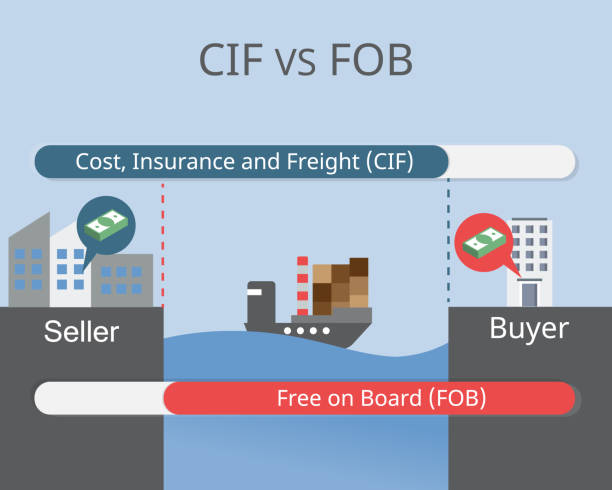
غالبًا ما يتجادل المستوردون الجدد بين اختيار FOB أو التكلفة, تأمين, والشحن (سيف). يتطلب CIF من البائع ترتيب النقل الدولي بالكامل.
بينما يبدو CIF أسهل للمبتدئين, وعادة ما يكلف أكثر من ذلك بكثير. يقوم البائعون في كثير من الأحيان بإضافة أقساط خدمة عالية إلى فواتير الشحن. بالإضافة إلى, تفقد السيطرة على الجدول الزمني للوصول. يمنحك FOB رؤية كاملة على الشحن الدولي الجدول الزمني من اليوم الأول.
خاتمة
يعد إتقان ميكانيكا الشحن FOB أمرًا حيويًا لأي استراتيجية شراء عالمية ناجحة. انها تسمح لك بالتحكم في التكاليف اللوجستية الخاصة بك بشكل فعال. كما يوضح أيضًا متى تبدأ مسؤوليتك المالية بالضبط أثناء النقل.
هل تخطط لطلب المخزون الرئيسي التالي في الخارج؟? اتصل بخبراء الخدمات اللوجستية لدينا اليوم لتحسين مسار الشحن الخاص بك وخفض إنفاقك على الشحن.


