




Η πλοήγηση στο διεθνές εμπόριο μπορεί να είναι συντριπτική για πολλές επιχειρήσεις. Οι νέοι αγοραστές συχνά παλεύουν με πολύπλοκα ακρωνύμια αποστολής. Η παρανόηση αυτών των όρων συχνά οδηγεί σε απροσδόκητα έξοδα της εφοδιαστικής αλυσίδας. Μεταξύ αυτών των όρων, Το Free on Board ξεχωρίζει ως η πιο κοινή επιλογή. Αλλά τι είναι ακριβώς η αποστολή fob? Επί πλέον, που αναλαμβάνει την οικονομική επιβάρυνση των ωκεανών ή των αεροπορικών μεταφορών?
Αυτός ο περιεκτικός οδηγός αναλύει τη μηχανική των όρων FOB. Θα διερευνήσουμε πώς επηρεάζει το παγκόσμιο κόστος προμήθειας και τους κινδύνους ευθύνης σας.
Κατανόηση των Βασικών του FOB
Το Free on Board είναι ένα τυπικό Incoterm που δημιουργήθηκε από το Διεθνές Εμπορικό Επιμελητήριο. Ορίζει επίσημα την ακριβή στιγμή κατά την οποία η οικονομική ευθύνη μετατοπίζεται από τον πωλητή στον αγοραστή.
Ο βασικός ορισμός
Ιστορικά, ο όρος αυτός ισχύει μόνο για τις θαλάσσιες μεταφορές. Οι σύγχρονοι επαγγελματίες logistics το χρησιμοποιούν πλέον σε διάφορους τρόπους αποστολής. Ουσιαστικά, ο πωλητής πρέπει να παραδώσει τα εμπορεύματα σε ένα συγκεκριμένο σκάφος. Μόλις το φορτίο περάσει τη ράγα του πλοίου, ο πωλητής εκπληρώνει τη νομική του υποχρέωση.
Γιατί η Incoterms έχει σημασία στην παγκόσμια προμήθεια
Οι σαφείς όροι αποτρέπουν δαπανηρές νομικές διαφορές μεταξύ διεθνών εμπορικών εταίρων. Αυτοί υπαγορεύουν ποιος διαχειρίζεται τα χαρτιά εκτελωνισμού. Καθορίζουν επίσης ποιος συντονίζεται με τους θαλάσσιους μεταφορείς. Χωρίς αυτούς τους ξεκάθαρους κανόνες, διεθνές φορτίο θα μπορούσε να παραμείνει ακινητοποιημένο σε πολυσύχναστους λιμενικούς τερματικούς σταθμούς για εβδομάδες.

Οι Δύο Πυλώνες: FOB Origin vs. Προορισμός FOB
Πρέπει να κατανοήσετε τις δύο κύριες παραλλαγές αυτής της συμφωνίας αποστολής. Κατανέμουν το κόστος και τους λειτουργικούς κινδύνους αρκετά διαφορετικά.
FOB Προέλευση (Σημείο αποστολής FOB)
Υπό τους συγκεκριμένους όρους, ο αγοραστής αναλαμβάνει την πλήρη ιδιοκτησία πολύ νωρίς. Η μεταφορά πραγματοποιείται τη στιγμή που ο μεταφορέας συλλέγει τα αγαθά στο εργοστάσιο. Κατά συνέπεια, ο αγοραστής πληρώνει για όλα τα διεθνή τέλη μεταφοράς. Πρέπει επίσης να αγοράσετε το ασφαλιστήριο συμβόλαιο φορτίου για να προστατεύσετε την επένδυσή σας.
Προορισμός FOB
Αντίστροφως, Ο προορισμός FOB διατηρεί τον κίνδυνο με τον προμηθευτή πολύ περισσότερο. Ο πωλητής διατηρεί την πλήρη κυριότητα μέχρι το φορτίο να φτάσει στην εγχώρια αποθήκη σας. Επομένως, ο πωλητής καλύπτει τα κύρια έξοδα μεταφοράς ωκεανού. Διαχειρίζονται επίσης τυχόν αξιώσεις ζημιών που προκύπτουν κατά τη διάρκεια της μακράς μεταφοράς.
Ποιος πληρώνει το φορτίο σύμφωνα με τους όρους FOB?
Ας απαντήσουμε στο κρίσιμο ερώτημα σχετικά με την οικονομική ευθύνη. Η σύντομη απάντηση εξαρτάται εξ ολοκλήρου από τη συγκεκριμένη παραλλαγή του συμβολαίου σας.
Ευθύνες κόστους πωλητή
Σε μια τυπική συμφωνία θύρας FOB, ο πωλητής χειρίζεται όλα τα εγχώρια logistics. Πληρώνουν για την τοπική μεταφορά με φορτηγά από το εργοστάσιο στο τερματικό εξαγωγής. Καλύπτουν επίσης τα τέλη εκτελωνισμού εξαγωγής και τις χρεώσεις λιμενικής διεκπεραίωσης.
Ευθύνες κόστους αγοραστή
Ο αγοραστής αναλαμβάνει την οικονομική ευθύνη στην προβλήτα εξαγωγής. Πρέπει να πληρώσετε για τον κύριο διεθνή ωκεανό ή αεροπορικό φορτίο. Επιπλέον, είστε υπεύθυνοι για τους εισαγωγικούς δασμούς και τα τέλη εγχώριας παράδοσης. Ανακαλύψτε περισσότερα σχετικά με τη διαχείριση αυτών των δαπανών τερματικού, διαβάζοντας τον οδηγό μας για τη μείωση των λιμενικών χρεώσεων προορισμού.
Χαρτογράφηση των σημείων ροής φορτίου και κόστους FOB
Η διαχείριση των διεθνών φορτίων απαιτεί παρακολούθηση πολλών κινούμενων μερών. Το παρακάτω διάγραμμα ροής που βασίζεται σε κείμενο δείχνει ακριβώς πώς κατανέμονται τα κόστη και οι ευθύνες μεταξύ του αγοραστή και του πωλητή κατά τη διάρκεια μιας τυπικής συναλλαγής FOB Origin.
| [ ΕΥΘΥΝΗ ΠΩΛΗΤΗ (Τοπικός) ] [ ΕΥΘΥΝΗ ΑΓΟΡΑΣΤΗ (Διεθνής) ] Εξερχόμενη από το εργοστάσιο -> Port Trucking -> Τελωνείο εξαγωγής -> [ SHIP’S RIL ] -> Ωκεανό φορτίο -> Τελωνείο εισαγωγής -> Τελική Παράδοση |
Πλεονεκτήματα της επιλογής FOB για την Εφοδιαστική Αλυσίδα σας
Πολλοί έμπειροι διαχειριστές εφοδιαστικής αλυσίδας προτιμούν τους όρους FOB έναντι άλλων Incoterms. Αυτή η επιλογή παρέχει πολλά διαφορετικά στρατηγικά πλεονεκτήματα για τις αναπτυσσόμενες επιχειρήσεις.
-
Πλήρης έλεγχος φορτίου: Εσείς επιλέγετε τη δική σας προτιμώμενη εταιρεία θαλάσσιων μεταφορών.
-
Διαφάνεια Τιμών: Οι προμηθευτές δεν μπορούν να κρύψουν τις διογκωμένες σημάνσεις αποστολής μέσα στην τιμή του προϊόντος.
-
Τελωνειακή Βελτιστοποίηση: Ο επιλεγμένος μεσίτης σας χειρίζεται απευθείας την τοπική εκκαθάριση εισαγωγών.
-
Καλύτερη Ασφαλιστική Μόχλευση: Διαπραγματεύεστε ολοκληρωμένα ασφαλιστήρια συμβόλαια φορτίου που προστατεύουν πραγματικά τις επενδύσεις σας.
Κοινές παγίδες και πώς να τις αποφύγετε
Παρά τα οφέλη του, Η ναυτιλία FOB εισάγει συγκεκριμένους λειτουργικούς κινδύνους. Πρέπει να διαχειριστείτε προληπτικά αυτές τις προκλήσεις για να διατηρήσετε υψηλή κερδοφορία.
Παρεξήγηση τοποθεσιών λιμένων
Να προσδιορίζετε πάντα το ακριβές όνομα θύρας στα συμβόλαια αγοράς σας. Για παράδειγμα, “FOB Σαγκάη” είναι ξεκάθαρο. Απλά γράφοντας “FOB Κίνα” είναι πολύ ασαφές. Οι ασαφείς όροι επιτρέπουν στους προμηθευτές να επιλέγουν μακρινά λιμάνια, γεγονός που αυξάνει σημαντικά το κόστος μεταφοράς σας στην εσωτερική ναυσιπλοΐα.
Παραμέληση της ασφάλισης φορτίου
Ορισμένοι αγοραστές ξεχνούν να ενεργοποιήσουν την ασφαλιστική τους κάλυψη εγκαίρως. Θυμάμαι, Ο κίνδυνος σας ξεκινά τη στιγμή που το φορτίο φεύγει από το λιμάνι εξαγωγής. Επομένως, το συμβόλαιό σας πρέπει να καλύπτει ολόκληρο το ταξίδι στον ωκεανό. Μπορείτε να αναλύσετε περαιτέρω το προφίλ κινδύνου σας χρησιμοποιώντας τη λίστα ελέγχου Διεθνούς Ασφάλισης Εμπορευμάτων.
FOB vs. CIF: Μια γρήγορη στρατηγική σύγκριση
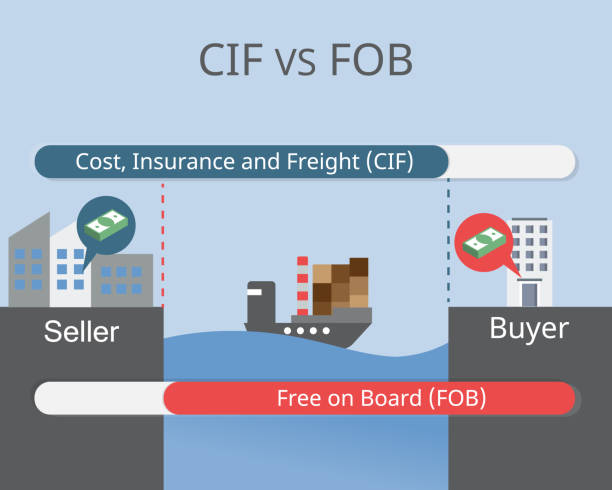
Οι νέοι εισαγωγείς συχνά συζητούν μεταξύ της επιλογής FOB ή Κόστος, Ασφάλιση, και φορτίου (CIF). Η CIF απαιτεί από τον πωλητή να κανονίσει πλήρως τη διεθνή διαμετακόμιση.
Ενώ το CIF φαίνεται πιο εύκολο για αρχάριους, συνήθως κοστίζει πολύ περισσότερο. Οι πωλητές προσθέτουν συχνά υψηλά ασφάλιστρα υπηρεσιών στα τιμολόγια ναύλων. Επί πλέον, χάνετε τον έλεγχο του χρονοδιαγράμματος άφιξης. Το FOB σάς παρέχει πλήρη ορατότητα πάνω από το διεθνείς μεταφορές πρόγραμμα από την πρώτη μέρα.
Σύναψη
Η γνώση της μηχανικής αποστολής FOB είναι ζωτικής σημασίας για κάθε επιτυχημένη παγκόσμια στρατηγική προμηθειών. Σας επιτρέπει να ελέγχετε αποτελεσματικά το κόστος της εφοδιαστικής σας. Επίσης, διευκρινίζει πότε ακριβώς ξεκινά η οικονομική σας υποχρέωση κατά τη μεταφορά.
Σχεδιάζετε την επόμενη μεγάλη παραγγελία αποθέματός σας στο εξωτερικό? Επικοινωνήστε σήμερα με τους ειδικούς μας logistics logistics για να βελτιστοποιήσετε τη διαδρομή αποστολής και να μειώσετε τις δαπάνες μεταφοράς φορτίου.


