




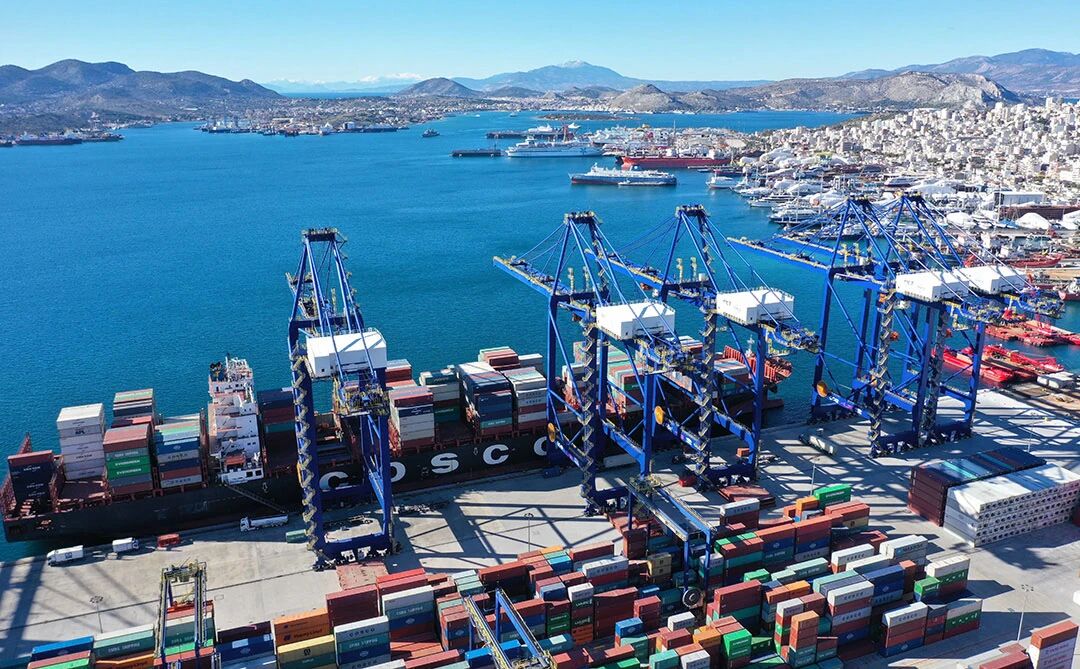
With the closure of the Strait of Hormuz, the shipping pattern of the entire Gulf region has been completely disrupted. Ships from Jebel Ali Port are unable to leave or enter, but two ports on the east coast of the United Arab Emirates – Fujairah and Khor Fakkan – are becoming the trade lifeline of this region.
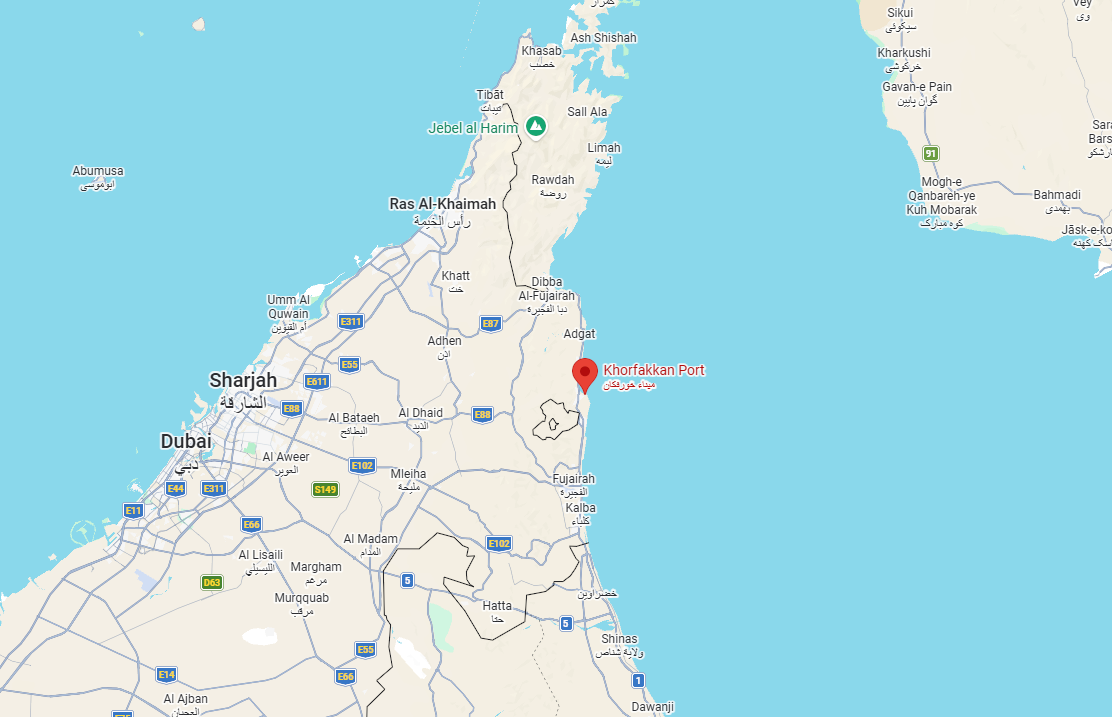
According to data from Reuters, the number of containers processed per week at the Port of Holyoke has jumped from 2000 before the war to 50000, a 25 fold increase. The daily truck traffic has also increased from 100 to 7000, and the port operator urgently recruited 900 people in the first two weeks of the war.
The changes at Fujairah Port have also been significant, with crude oil exports rising from 1.17 million barrels per day in February to 1.62 million barrels by the end of March, a 38% increase. The strategic value of this port lies in its onshore oil pipeline that bypasses Hormuz and connects inland oil fields directly to the Indian Ocean. More importantly, Fujairah has begun to accept container ships on a regular basis, which was rare in the past.
Where did such a large amount of goods come from? Previously, containers from Jebel Ali were mostly transferred to Khorfakan, where ships unload their cargo and then transport them by truck to various parts of the United Arab Emirates, or by land through Saudi Arabia and Oman to Gulf countries such as Qatar, Kuwait, and Bahrain. The latter has even poorer geographical conditions, with all sea routes within Hormuz, and can only rely on Khorfakan’s sea freight imports or land transportation through Saudi Arabia, which is costly and congested.
But the hidden danger is very clear. On May 4th, Iranian drones attacked the oil region of Fujairah, causing a fire. On the same day, the Iranian Revolutionary Guard Navy released a map extending the control area to the east coast of the United Arab Emirates, including two ports. Although shipping sources claim that port operations are currently unaffected, Tehran’s signal is clear: these two ports are also within range.
This is not the first time Fujairah has been bombed. On March 14th, Iranian drones attacked the energy infrastructure of the port, causing a fire and suspending some oil loading operations.
The executives of France’s Jorda Logistics Group put it bluntly: currently, these two ports are the only direct options for goods entering the UAE, otherwise they will have to go through long-distance land transportation from Saudi Arabia or Oman, and also pass through customs, which is even more troublesome. The positioning of Haval Kham has now shifted from a regional transit platform to a national gateway, accepting almost everything from food and groceries to medical supplies for imports.
Operators are also making long-term plans. Gulftainer, the operator of the Port of Khorfakan, plans to build an inland logistics hub in Al Dhaid, about 50 kilometers away from the port, covering an area of over 100 hectares and connecting the port by road and rail. The first phase investment exceeds $100 million, but no one can say when the strait will reopen.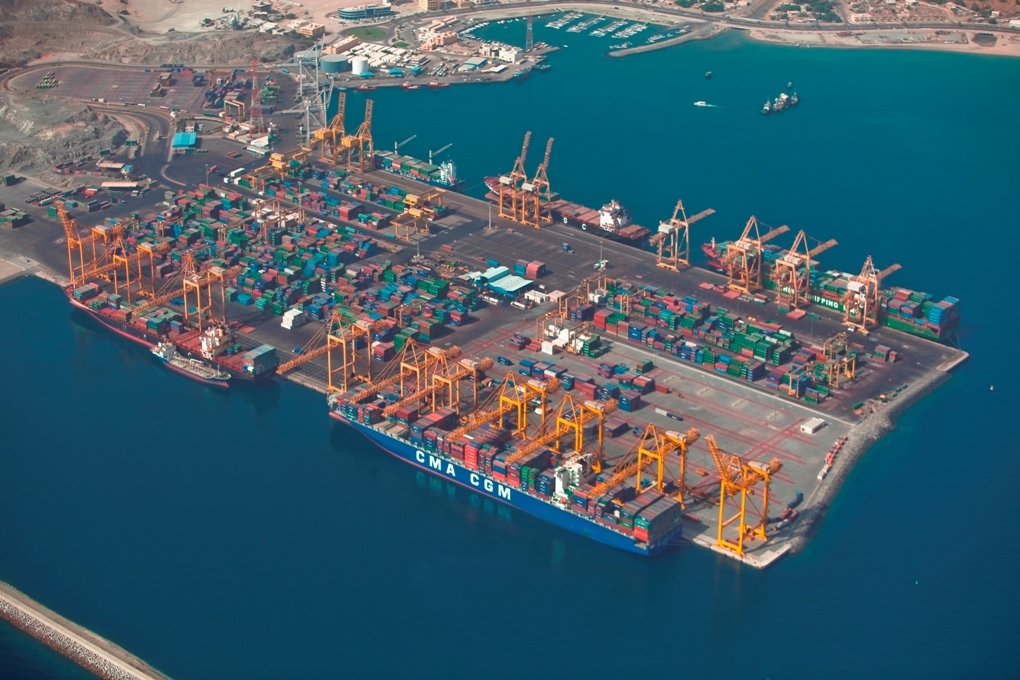
For customers operating in the Middle East market, these changes are worth noting:
· Direct shipping to Jebel Ali cannot be resumed in the short term, and Khor Fakkan and Fujairah are emerging as alternative hubs. If there are goods destined for the UAE, Qatar, Kuwait, or Bahrain, you may consider transshipping through these two ports. However, it should be noted that Khor Fakkan is currently experiencing severe congestion, with trucks often queuing up, and land transfer requires additional time.
· The insurance clauses need to be confirmed. The two ports are already within the claimed control area of Iran and have been attacked multiple times. It is necessary to confirm with the insurance company whether they have been listed as excluded areas and whether the war risk premium rate has been adjusted before accepting the order.
· The cost of land transshipment is not low. Cross-border transportation via Saudi Arabia or Oman involves customs, clearance, and waiting time. These hidden costs need to be taken into account when quoting. If the customer is sensitive to timeliness, it is advisable to explain these uncontrollable factors in advance.
· Freight rates are not expected to decline in the short term. A significant amount of cargo from Jebel Ali has been diverted to ports on the east coast. However, due to the limited handling capacity of these two ports, congestion and delays are driving up overall logistics costs. When providing quotes to customers, allow for a few extra days as a buffer.


