




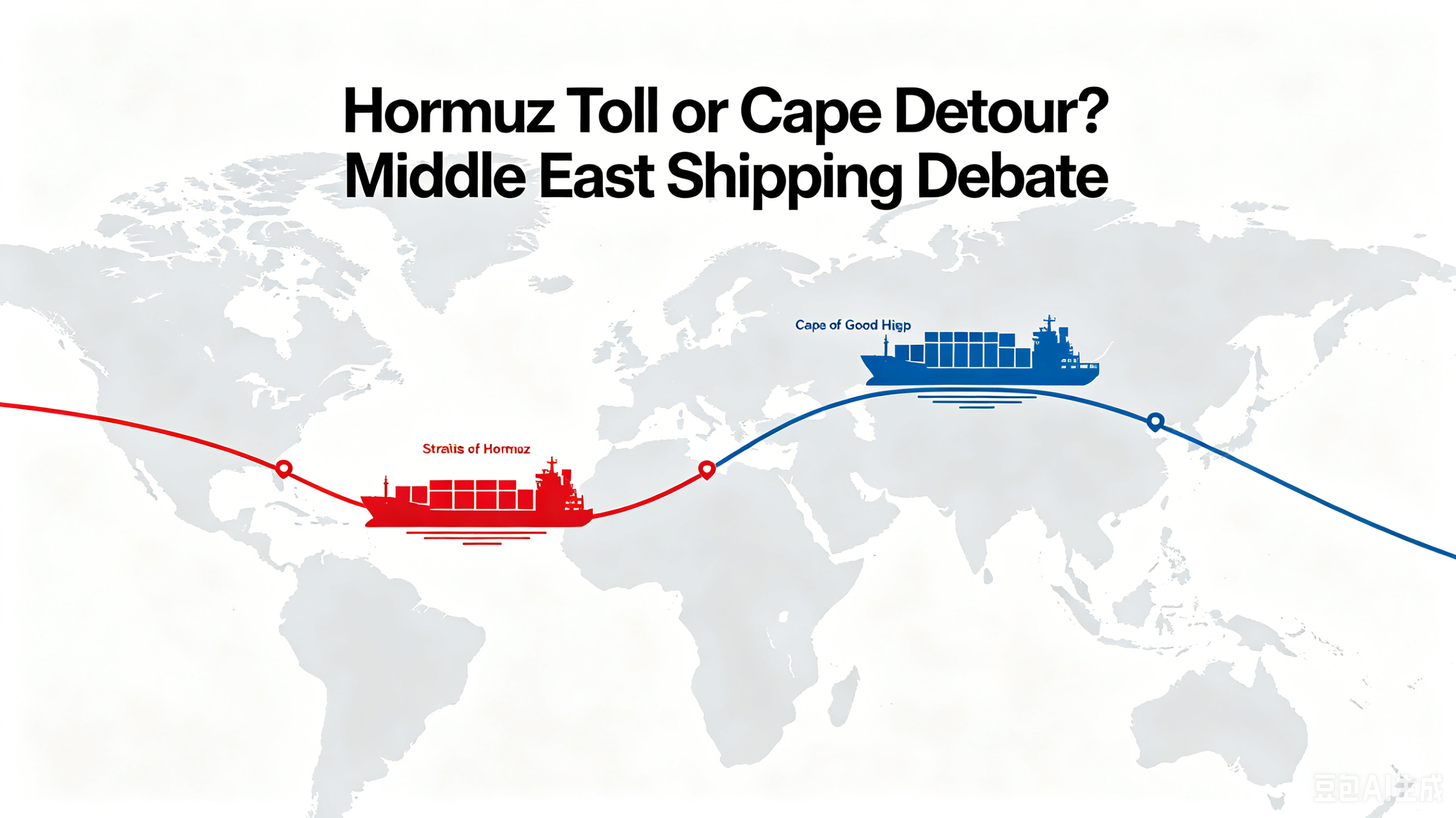
Auf der laufenden Posidonia-Schifffahrtsausstellung in Athen, Der prominente griechische Reeder Marinakis löste mit einem kontroversen Standpunkt eine hitzige Branchendebatte aus: Globale Fluggesellschaften sollten für die Fahrt durch die Straße von Hormus feste Transitgebühren zahlen, anstatt hohe Zusatzkosten durch die Umleitung von Langstreckenflügen zu tragen.
Vortrag auf der TradeWinds-Meereskonferenz, Marinakis stellte klar fest: „Für unser Geschäft, Zahlung eines festen USD 100,000 Zu 200,000 Pro Schiff für die Durchfahrt durch Hormuz ist es weitaus besser, als ununterbrochene unerwartete Kosten in Kauf zu nehmen.“
Er berechnete die tatsächliche Kostenlücke: Die Kriegsrisikoprämien sind im Vergleich zur Zeit vor dem Konflikt sprunghaft gestiegen 0.2%-0.3% bis zu 5%-7.5%. Eine Umleitung um das Kap der Guten Hoffnung fügt hinzu 12 Zu 15 zusätzliche Segeltage und enormer Treibstoffverbrauch. Statt volatiler, unvorhersehbarer Zuschläge, Eine feste Mautzahlung an den Iran würde die Gesamtausgaben der Schiffsbetreiber stabilisieren.
Warum einige Schiffseigentümer feste Hormuz-Transitgebühren bevorzugen
Marinakis gab bekannt, dass Capital Maritime die Festsetzung von Schiffen im Persischen Golf rein zufällig vermieden hat. Seitdem eskalierten die regionalen Spannungen, Das Unternehmen stellte alle Einsätze in Richtung Golf ein.
„Wir lehnen die Schifffahrt inmitten anhaltender Konflikte ab. Die derzeit hohen Frachtraten auf alternativen Handelsrouten machen riskante Hormus-Reisen unnötig, um geringfügige Gewinne zu erzielen.“
Diese Denkweise wird von großen Fluggesellschaften wie MSC und Maersk geteilt. Trotz vorläufiger Waffenstillstandsgespräche im gesamten Nahen Osten, Die anhaltend erhöhte Kriegsgefahr hält die meisten großen Linienschiffe von der Straße von Hormus fern.
Drei praktische Tipps für Spediteure & Versender
- Informieren Sie Kunden über mögliche bevorstehende Erhöhungen der Transportkosten, ohne bestehende Verträge zu überarbeiten. Die offene Diskussion über 100.000 bis 200.000 US-Dollar pro Schiffsgebühr deutet auf mögliche zukünftige Tariferhöhungen für Lieferungen in den Nahen Osten hin. Empfehlen Sie Kunden, zusätzlichen Budgetpuffer zu reservieren, da die derzeitigen sonstigen Zuschläge kurzfristig hoch bleiben werden. Senden Sie proaktive E-Mail-Updates, um die Kostenerwartungen zu verwalten.
- Separater Kriegsrisikozuschlag von der Basis-Seefracht auf Angeboten. Die meisten Reedereien erheben nicht verhandelbare Kriegsrisikogebühren für Routen in den Nahen Osten. Vermeiden Sie es, diese zusätzlichen Kosten in der Basis-Seefracht zu bündeln. Listen Sie Kriegszuschläge als eigenständige Position auf, mit einer Klausel, die darauf hinweist, dass die Tarife den Echtzeitanpassungsregeln des Netzbetreibers folgen. Durch eine transparente Abrechnung werden Abrechnungsstreitigkeiten nach der Ankunft reduziert.
- Präsentieren Sie zwei Preisoptionen: Direkte Umleitung zwischen Hormuz und Kap. Der Großteil der Fracht wird jetzt über die Umleitung zum Kap der Guten Hoffnung oder über den Umschlag nach Khorfakkan verlagert. Erklären Sie es den Kunden: Die Route am Kap verlängert den Transit um 12 bis 15 Tage und senkt gleichzeitig die Kosten pro Container um Hunderte von US-Dollar. Bieten Sie doppelte Angebote an, damit Verlader ihre Auswahl auf der Grundlage von Budget- und Lieferzeitanforderungen treffen können.
Abschließende Zusammenfassung
Während der Mautvorschlag von Marinakis vorerst nur eine Branchendiskussion bleibt, Der vorgeschlagene Richtwert von 100.000 bis 200.000 US-Dollar pro Schiff bestätigt, dass die Transportkosten im Nahen Osten in absehbarer Zeit nicht wieder das Niveau vor dem Konflikt erreichen werden.
Huazong Logistics optimiert die Angebotsstruktur, Aktualisieren Sie die Vertragsbedingungen und verwalten Sie die Kostenerwartungen der Kunden ordnungsgemäß, anstatt auf die vollständige Normalisierung der Hormuz-Route zu warten.


