




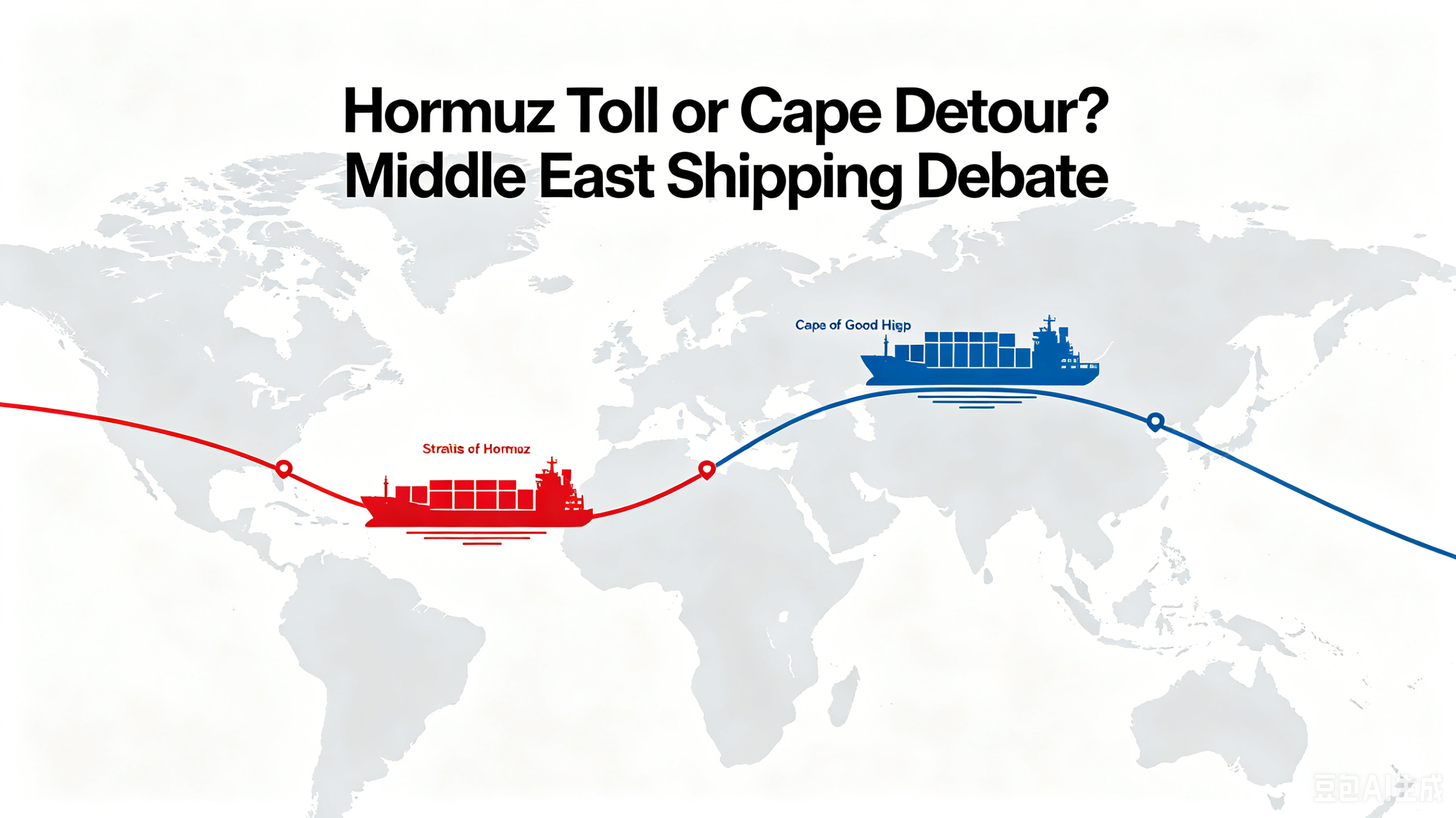
À l'exposition en cours sur le transport de posidonies à Athènes, L'éminent armateur grec Marinakis a déclenché un débat houleux dans l'industrie avec un point de vue controversé: les transporteurs mondiaux devraient payer des frais de transit fixes pour traverser le détroit d'Ormuz plutôt que de supporter des coûts supplémentaires élevés liés au réacheminement sur de longues distances.
S'exprimant à la conférence maritime TradeWinds, Marinakis a déclaré clairement: « Pour notre entreprise, payer un USD fixe 100,000 à 200,000 par navire pour le passage d'Ormuz est bien mieux que d'endurer des dépenses imprévues continues.
Il a calculé l'écart de coût réel: Les primes de risque de guerre ont bondi par rapport à celles d’avant le conflit 0.2%-0.3% jusqu'à 5%-7.5%. Le réacheminement autour du Cap de Bonne-Espérance ajoute 12 à 15 jours de navigation supplémentaires et consommation massive de carburant. Au lieu de surtaxes volatiles et imprévisibles, un péage fixe payable à l'Iran stabiliserait les dépenses globales des exploitants de navires.
Pourquoi certains propriétaires de navires privilégient les frais de transit fixes à Ormuz
Marinakis a révélé que Capital Maritime avait évité la détention de navires dans le golfe Persique par pur hasard. Depuis l’escalade des tensions régionales, l'entreprise a suspendu tous ses déploiements vers le Golfe.
« Nous refusons la navigation dans un contexte de conflit en cours. Les taux de fret actuellement élevés sur les voies commerciales alternatives rendent les voyages risqués à Ormuz inutiles pour rechercher des profits marginaux.
Cet état d'esprit est partagé par les principaux transporteurs, notamment MSC et Maersk.. Malgré des tentatives de cessez-le-feu au Moyen-Orient, Les taux de risque de guerre constamment élevés éloignent la plupart des grands paquebots du détroit d’Ormuz.
Trois conseils pratiques pour les transitaires & Expéditeurs
- Informer les clients des hausses potentielles des coûts de transit à venir sans réviser les contrats existants. La discussion ouverte sur le péage de 100 000 à 200 000 USD par navire laisse présager d'éventuelles augmentations futures des tarifs pour les expéditions au Moyen-Orient.. Conseiller aux clients de réserver une marge budgétaire supplémentaire, car les surtaxes diverses actuelles resteront élevées à court terme. Envoyez des mises à jour proactives par e-mail pour gérer les attentes en matière de coûts.
- Supplément pour risque de guerre distinct du fret maritime de base sur les devis. La plupart des transporteurs appliquent des frais de risque de guerre non négociables pour les routes du Moyen-Orient.. Évitez de regrouper ces frais supplémentaires dans le fret maritime de base. Répertorier les surtaxes de guerre en tant qu'élément de campagne indépendant, avec une clause indiquant que les tarifs suivent les règles d'ajustement en temps réel du transporteur. Une facturation transparente réduit les litiges de facturation après l'arrivée.
- Présenter deux options de tarification: Réacheminement direct d'Ormuz vers le Cap La plupart des marchandises sont désormais transférées vers le détour du Cap de Bonne-Espérance ou vers le transbordement du Khorfakkan. Expliquer aux clients: L'itinéraire du Cap prolonge le transit de 12 à 15 jours tout en réduisant les dépenses par conteneur de plusieurs centaines de dollars américains. Proposez des devis doubles afin que les expéditeurs choisissent en fonction des exigences en matière de budget et de délais.
Résumé final
Alors que la proposition de péage de Marinakis reste pour l’instant seulement une discussion de l’industrie, le seuil proposé de 100 000 à 200 000 USD par navire confirme que les coûts de transport au Moyen-Orient ne reviendront pas de sitôt aux niveaux d'avant le conflit.
La logistique Huazong optimise la structure des devis, mettre à jour les termes du contrat et gérer correctement les attentes des clients en matière de coûts au lieu d'attendre la normalisation complète de l'itinéraire d'Ormuz.


